
Health & Wellness
Medical topics, mental health, and wellbeing
341 episodes · Page 12 of 15
#2703: Why Fidgeting Actually Helps You Think
Fidget spinners aren't just toys—they're self-regulation tools. Here's the neuroscience behind why movement helps you focus.
#2701: Why Drugs Give You Vivid Nightmares
SSRIs, beta-blockers, and melatonin: how medications hijack the brain's dream machinery.
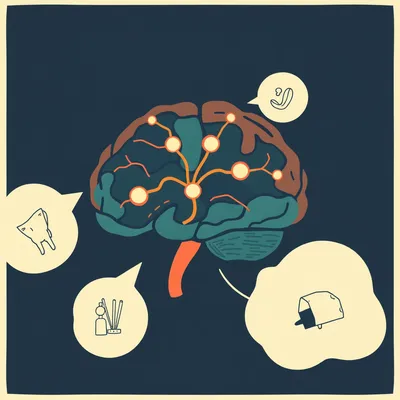
#2700: What Your Brain Actually Does When You Daydream
Daydreaming isn't your brain slacking off — it's running a flight simulator for your life.
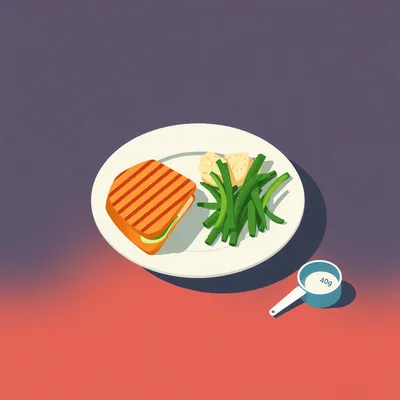
#2666: The Fat Target: Eating Without a Gallbladder
How to eat out without regret after gallbladder removal — real fat gram targets and fast-food strategies.
#2663: When Opposing Drugs Cooperate
Two opposing drugs collide in your system. Do they cancel out or work together?

#2628: Your Snake Plant Isn't Saving You
Why your houseplants aren't cleaning your air — and what they're actually doing for you.
#2625: White Noise vs Pink vs Brown: What Actually Works
What makes mechanical sound machines like the Dohm different from digital ones — and which noise color actually helps you sleep?
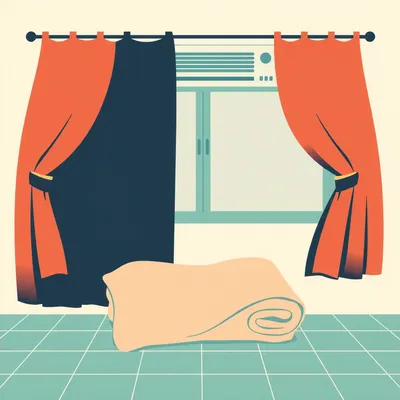
#2624: Sensory Reduction vs Deprivation: A Home Toolkit
Why you don't need a $80 flotation tank—just blackout curtains, earplugs, and a cool floor.
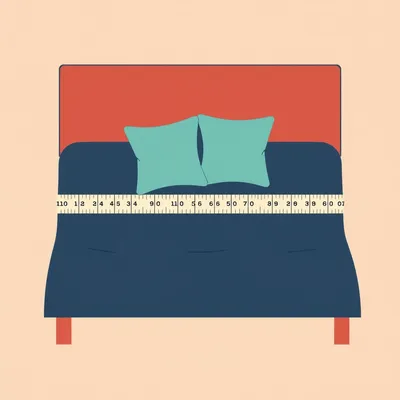
#2623: How Much Bed Space Do You Actually Need to Sleep Well?
140cm bed for two? Research shows a 62% reduction in sleep disturbances just from having adequate space.
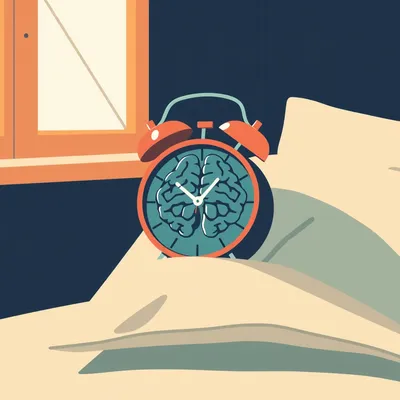
#2619: The Sleep Doctor Shortage
Night owls vs. clinical disorder—what sleep medicine actually says about delayed sleep-wake phase.
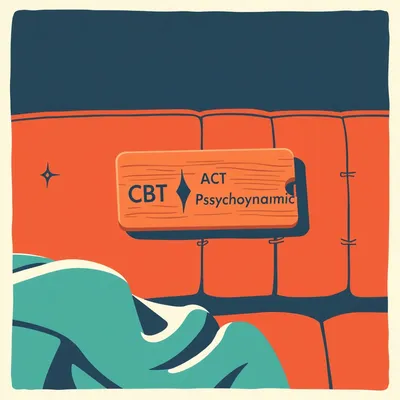
#2612: Can You Speed-Date Your Way to the Right Therapy?
Finding the right therapy is a guessing game. What if you could sample different approaches before committing?
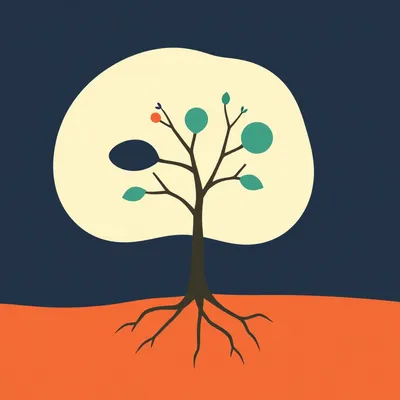
#2609: Mapping the Therapy Family Tree: CBT, ACT, DBT & Beyond
How CBT, ACT, and DBT actually evolved — and why matching therapy to personality matters.

#2607: Life Coaching vs Therapy: How to Choose
Life coaching, therapy, or something else? A practical framework for navigating the confusing world of helping professions.
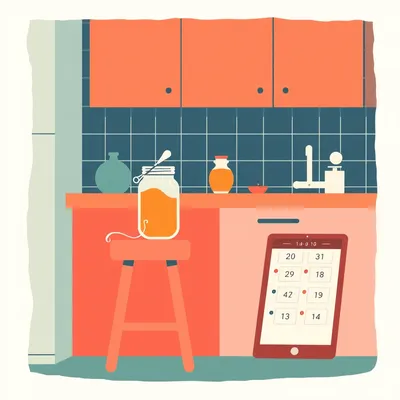
#2606: Mapping the Most Misunderstood Profession in Healthcare
OT isn’t just handwriting and stroke rehab. It’s sensory diets, energy management, and designing your life.
#2605: Tracing the Hidden History of CBT to Life Coaching
How a 1960s psychiatrist's insight about automatic thoughts became the foundation of a $20 billion coaching industry.
#2589: Can You Actually See a Sleep Specialist?
Sleep medicine is real but hard to access. Here’s how the system works and what actually helps.
#2584: Why ADHD Meds Feel Cleaner Than Coffee
The neurochemical difference between caffeine and prescription ADHD drugs isn't about strength — it's about mechanism.
#2583: The Motility Blind Spot
Why bile moves backward after gallbladder removal—and what treatments actually address the mechanical problem.

#2579: Why You Feel Watched (And Why You're Not)
Why sitting alone in public feels so awkward — and what the research says you can do about it.

#2575: How Montessori Actually Works (It's Not Chaos)
The real principles behind Montessori, from sandpaper letters to the absorbent mind.

#2574: Why You're Not "Too Old" to Learn a Language
Age isn't the barrier you think. What actually determines success—and how AI can help.
#2565: Why Background Conversation Hijacks Your Focus
Why some brains can't filter out background conversation—and what actually helps.
#2562: Why Do Humans Love Food That Burns?
The science of why we enjoy pain from chili peppers, from ancient domestication to modern hot sauce culture.
#2561: What BMI Actually Tells You (And What It Hides)
BMI is useful but flawed. Here's when to trust it, when to ignore it, and what to measure instead.