
Health & Wellbeing
Medical topics, mental health, neuroscience, ADHD, neurodivergence, and wellness
#2036: Finding ADHD Tools That Actually Stick
You've downloaded apps and bought books, yet nothing works. Here's why the search for solutions becomes its own source of overwhelm.
#2035: The Backpack Full of Bricks: Parenting With ADHD
Why standard parenting advice fails for ADHD brains and what survival actually looks like.
#2034: ADHD and Relationships: Breaking Unhelpful Patterns
ADHD time blindness creates a "parent-child" dynamic in relationships. Here’s how to fix it.

#2033: Who Actually Fixes Your ADHD Brain?
Overwhelmed by therapy, psychiatry, and coaching? We break down who does what for ADHD and time management.
#2030: Making Productivity Apps Work for the ADHD Brain
That folder of unused apps? It’s not a personal failure—it’s a design problem. Here’s why complex tools backfire for ADHD brains.
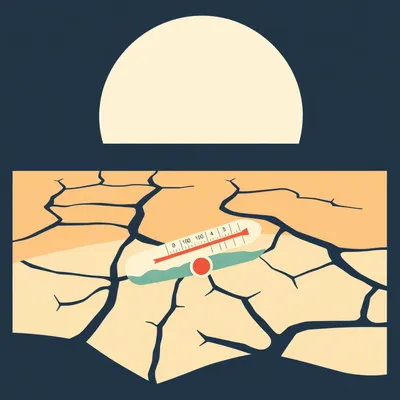
#1977: Why Earth Can't Hit 60°C
Death Valley hit 53.9°C, but the planet seems stuck. Here’s the physics behind Earth’s natural heat ceiling and the biological danger zone.
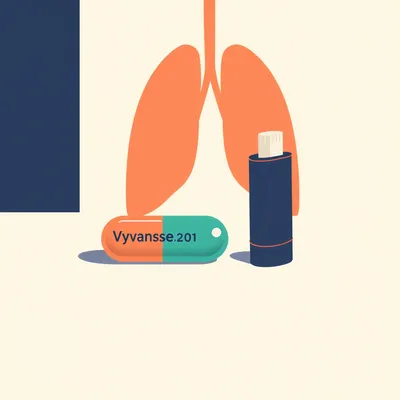
#1971: Vyvanse, Asthma, and the Fight-or-Flight Lungs
Why a stimulant meant for focus can also open your airways—and the risks of mixing it with rescue inhalers.
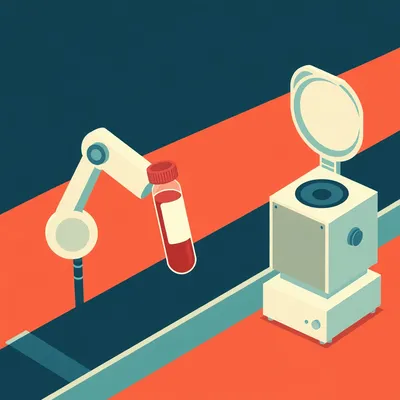
#1902: How a Single Blood Vial Becomes Hundreds of Results
A single vial of blood can yield hundreds of results. Here’s the high-tech industrial process that makes it possible.
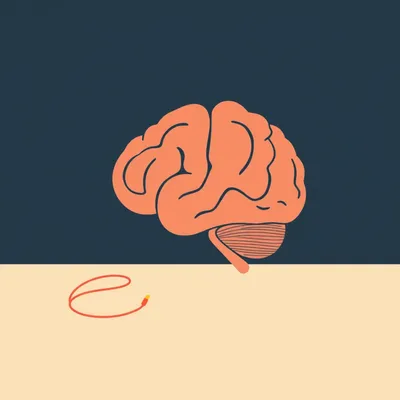
#1852: The BCI Inflection Point: Trade-offs Between Implants and EEG
We trace BCIs from 1970s EEG caps to today’s high-bandwidth implants, comparing Neuralink and Synchron’s invasive vs. minimally invasive approaches.
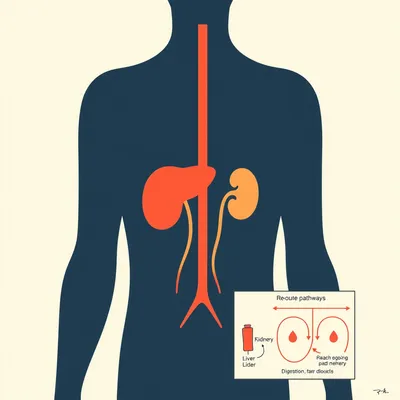
#1798: How Many Organs Can You Lose and Still Live?
You can live without a stomach, a spleen, even a pulse. Here’s what happens when your body’s hardware goes missing.
#1791: Why the Slowest Animal Has 4 Billion Views
The sloth has replaced the hustle icon. Here's why 4 billion views on TikTok prove we're desperate for metabolic stillness.
#1783: Why Sleep Deprivation Makes You a Monster
Sleep loss doesn't just make you tired—it physically cuts the brake line between your logical and emotional brain.
#1769: Affirmations & Visualization: Science vs. Wishful Thinking
We unpack the $43B personal development industry: why "I am lovable" can make you feel worse and how mental rehearsal actually rewires your brain.
#1726: 2500 Years of Bad Medicine: The Slow Surrender
Bloodletting dominated medicine for 2500 years. Here’s how science finally admitted it was wrong.
#1704: Why Do Sloths Hate Anteaters?
A sloth's visceral fear of its own cousin reveals how animal brains detect "wrongness" without recognizing species.
#1703: Why Sloths Don't Send Mother's Day Cards
From sloths to elephants, we explore why most animals break family ties cleanly—and why some grieve for decades.
#1691: The 40% Cortisol Spike of Solo Parenting
No family nearby? That 3 AM exhaustion isn't just fatigue—it's a measurable physiological state called Isolated Parent Syndrome.
#1690: Why Babies Are Biological Vacuum Cleaners
Discover why babies treat their mouths like high-resolution scanners and which materials are safest for their exploring hands.
#1664: Why Your Face Leaks Before Your Brain Approves
Why do we cry at sad movies or laugh at bad jokes? New research reveals how facial expressions evolved as a two-way communication system.
#1659: Why Your Brain Shuts Down After Months of Stress
Chronic stress isn't just mental; it physically rewires your brain. Here's the biological path from high alert to clinical depression.