Hey everyone, welcome back to My Weird Prompts. We are so glad you are joining us for episode seven hundred forty-seven. It is a crisp, slightly damp Friday morning here on February twenty-first, twenty twenty-six. I am Corn, and I am sitting here in our living room in Jerusalem, looking out at the Judean Hills, joined as always by my brother.

Herman Poppleberry at your service. It is good to be here, Corn. The Jerusalem stone is doing that thing where it looks almost purple in this morning light. I have been looking forward to this episode all week because it touches on something that is both deeply personal for our listener and scientifically fascinating for a nerd like me.
It really does. Today's prompt comes from Daniel, and it is about a struggle many people face but do not always talk about openly because, well, it involves digestion, and people can be squeamish. Daniel has been dealing with significant bloating, discomfort, and a general sense of physical heaviness ever since his gallbladder operation about seven years ago. He is specifically looking for ways to optimize his diet, focusing on low-fat meal prep and D-I-Y nutritional shakes that he can source right here in Israel.
It is a classic post-cholecystectomy situation. That is the medical term for gallbladder removal. Daniel described it in his message as a "constant battle," which I think is a very apt word. When you lose an organ, even one we often label as "non-essential" or "vestigial" in casual conversation, your body has to completely re-engineer how it processes fuel. Seven years is a long time to be fighting that battle every single day, and it can lead to a lot of food anxiety.
Exactly. And the bloating he mentioned, especially when consuming fats, is such a common hurdle. He mentioned feeling "groggy" and "balloon-like" after meals. It can be physically painful and mentally draining. You want to eat to gain energy to go about your day, but instead, you end up needing a nap or feeling like you are carrying a lead weight in your torso. So, Herman, before we get into the recipes and the local Israeli ingredients, let us lay the groundwork. Why does the absence of a gallbladder make fat such a formidable opponent for the digestive system?
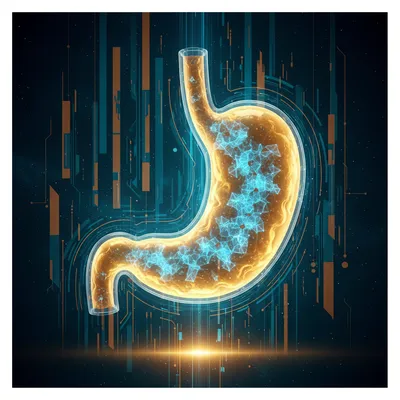
It comes down to storage and timing, Corn. Most people think the liver makes bile, and they are right. But the gallbladder is the warehouse and the refinery. It takes that bile, concentrates it by removing water—making it up to ten times more potent—and stores it until you eat something fatty. When fat hits your small intestine, your body releases a hormone called cholecystokinin. That is the signal for the gallbladder to squeeze, releasing a concentrated burst of bile to emulsify those fats. Think of it like high-strength dish soap breaking up thick grease on a pan. Without the gallbladder, your liver is still producing bile, but there is no warehouse. The bile just drips continuously and weakly into the small intestine, regardless of whether you are eating or not.
So, when Daniel eats a meal with a significant amount of fat—say, a nice piece of salmon or a salad with a lot of olive oil—he does not have that concentrated reservoir ready to go. The bile being produced in real-time by the liver just is not enough to handle a sudden influx of fat.
Precisely. And that unabsorbed fat then moves into the large intestine. That is where the real trouble starts. The bacteria there start to ferment and interact with the undigested fats and bile acids. This leads to an osmotic effect, drawing water into the bowel, and the bacteria produce gas as they try to break down things they weren't meant to handle. That is the source of that intense bloating and the "groggy" feeling Daniel described. It is basically a supply chain issue. The demand for bile spikes during a meal, but the supply is stuck at a steady, low-level, watery drip. In medical circles, we sometimes call this Bile Acid Malabsorption, or B-A-M.
That makes total sense. It is a mismatch between what the body is asking for and what it can actually provide at that moment. So, the strategy for Daniel has to be about managing that supply and demand. If the supply of bile is a constant drip, the intake of fat needs to be a constant, manageable trickle rather than a flood.
You hit the nail on the head. Smaller, more frequent meals are the gold standard here. But Daniel specifically asked about meal prep and D-I-Y shakes to help him maintain energy without the bloat. This is where we can get really practical with what is available in our neighborhood. We are lucky because the Israeli diet, while often high in fat from things like tahini, is also incredibly rich in the exact types of fibers and grains that can help mitigate this issue.
Right, and living in Jerusalem, we actually have access to some incredible raw ingredients that fit a low-fat, high-energy profile perfectly. Let us talk about meal prep first. If Daniel wants to prep for the week on a Sunday morning, what are the base components he should be looking for at the shuk or the local supermarket?
The first thing I would point him toward is complex carbohydrates with high soluble fiber content. Fiber is a secret weapon for people without gallbladders. Specifically, soluble fiber. It can actually bind to bile acids in the gut, which helps prevent them from irritating the colon and causing that "emergency" feeling or the gas that leads to bloating. In Israel, we have amazing access to things like freekeh and bulgur.
Freekeh is a great shout. For those who do not know, it is roasted green durum wheat. It has a wonderful smoky flavor and it is incredibly high in fiber and protein. I remember reading that it has almost three times the fiber of brown rice.
It is much higher in fiber and has a lower glycemic index, which helps with that "groggy" feeling Daniel mentioned. It provides a slow, steady release of glucose into the bloodstream. You can find it in bulk at almost any stall in Machane Yehuda. For meal prep, you can boil a large batch of freekeh or coarse bulgur—look for "pulao" grade bulgur—at the start of the week. They hold up much better in the fridge than rice does. They do not get mushy or lose their structural integrity. You can use them as a base for what I call the "low-fat power bowl."
And what are we putting on top of that base? We need protein that does not bring hidden fats along for the ride. In the U.S., people might go straight for turkey slices, but here we have different staples.
This is where Daniel needs to be careful with traditional Israeli food. A lot of people think of hummus as the ultimate health food, and it is, but it is also very high in fat because of the tahini content. If he is eating store-bought hummus, he is getting a lot of fat in one go. For meal prep, I would recommend he prepares his own chickpeas from scratch. Just soak them overnight with a bit of baking soda, boil them until tender, and keep them in the fridge in their cooking liquid. He can toss them into his freekeh bowls with lots of fresh herbs like parsley and cilantro.
Herbs are key because they provide massive flavor without needing heavy dressings or oils. We are lucky that herbs are so cheap and abundant here. A massive bunch of parsley at the shuk is only a few shekels, even in twenty twenty-six.
Exactly. Now, for the protein, if he eats animal products, white fish or chicken breast are the obvious choices. In the Israeli supermarkets, look for "amnon" which is tilapia, or "denisse" which is sea bream. If you grill them with just a spray of lemon and some dry spices, they are very lean. But even better for meal prep are legumes. Lentils are a powerhouse. Black lentils, often called beluga lentils, stay firm and are great in salads. Red lentils break down and are perfect for a thick, comforting soup that feels filling but is virtually fat-free.
I like the idea of a red lentil soup because you can pack it with vegetables like carrots, celery, and onions. In Israel, we have those wonderful small, sweet pumpkins and squashes right now in February. Roasting those without oil—maybe just a bit of vegetable broth or a light spray of water to keep them moist—adds a lot of volume and nutrients without the fat.
And let us talk about the Israeli dairy section, because it is unique. Daniel mentioned looking for low-fat options. In most Israeli supermarkets, you can find "gvinah levanah," which is a soft white cheese, with zero percent or one-half percent fat. It is very high in protein and can be used as a base for savory dips or even as a creamy element in his shakes. "Labneh" is usually higher in fat because it is concentrated, but you can occasionally find lower-fat versions, or you can make a substitute by straining zero-percent fat Greek yogurt through a cheesecloth for twenty-four hours.
That is a good tip. It gives you that creamy texture that we often miss when we cut out fats. Now, Daniel also specifically asked about D-I-Y nutritional shakes. He mentioned Soylent, but he wants something he can make himself using ingredients he can find here. This is interesting because a lot of commercial meal replacements are actually quite high in fat—often twenty to thirty percent of their calories—to hit their energy targets.
They are designed for the general population who need a balanced "all-in-one" meal, not for someone who has a bile-processing bottleneck. If Daniel wants to make a D-I-Y shake in Israel, he needs three things: a clean protein source, a complex carb source, and a flavor profile that does not rely on nut butters or full-fat milks.
For the protein, what are his options here? I know we have health food stores like Nitzat HaDuvdevan or Teva Castel.
Those are the best places to go. He should look for pea protein isolate or soy protein isolate. These are usually ninety percent protein and very low in fat. If he prefers dairy, whey protein isolate is better than whey concentrate because the isolate process removes almost all the fat and lactose. In twenty twenty-six, we are also seeing more lupin protein in Israel, which is a local legume that is incredibly lean.
Okay, so we have the protein powder. What about the carbs? He mentioned oats in his prompt.
Oats are perfect. But here is the trick for a D-I-Y shake: he should use "instant oats" or, better yet, grind regular rolled oats into a fine flour in his blender before adding the other ingredients. It makes the shake much smoother. In Israel, we have great access to fine-ground oat flour in the baking or health food sections. It provides that slow-release energy he is looking for without the heavy feeling of a solid meal.
And for flavoring and extra nutrients? We have some local ingredients that would be amazing in a shake.
Silan! Date honey. It is an Israeli staple. It is fat-free and provides a natural sweetness along with minerals like potassium and magnesium. A tablespoon of silan in a shake gives it a deep, caramel-like flavor. He could also use frozen bananas. If he buys a big bunch of bananas at the shuk when they are very ripe and spotted, peels them, and freezes them, they act like ice cubes and give the shake a creamy, milkshake-like texture without any fat.
I have also seen people use carob powder here. It is very common in Israel—you see the carob trees everywhere in the Jerusalem hills—and it has a chocolate-like flavor but is much lower in fat than cocoa powder can sometimes be, and it is caffeine-free if he is sensitive to that.
That is a great addition. So, a Daniel-optimized D-I-Y shake formula would be: one scoop of protein isolate, forty to fifty grams of ground oats, one frozen banana, a tablespoon of silan, a dash of cinnamon, and then fill it up with water or a zero-fat milk alternative. We have a lot of unsweetened soy milks here now that are very low in fat. That gives him roughly thirty grams of protein, fifty grams of complex carbs, and vitamins with almost zero fat.
That sounds like it would hit the spot for that afternoon energy dip he mentioned. It is easy to digest and shouldn't trigger that "ballooning" feeling in his stomach. Herman, you mentioned hydration in the context of Daniel's prompt. Why is that especially important for him?
When you don't have a gallbladder and you are eating a high-fiber diet to manage your bile, you have to drink more water. Fiber needs water to move through the digestive system effectively. If you eat a bunch of freekeh and oats but don't hydrate, you might actually end up more bloated because the fiber gets "stuck," for lack of a better word. Plus, staying hydrated helps the liver produce bile that is less viscous, which is easier for the system to handle.
So, we have a strategy. Low-fat meal prep using freekeh, bulgur, and legumes from the shuk. Using low-fat Israeli dairy like gvinah levanah. And a D-I-Y shake formula with oats, silan, and protein isolate. But let us talk about the "hidden" fats Daniel might encounter here. We live in a land of tahini and olive oil. Both are healthy, but for Daniel, they are potential bloat-triggers.
It is the hardest part of living in Israel with this condition. You go to a restaurant, and even a "healthy" salad is often drenched in olive oil. My advice for Daniel when he is not meal prepping is to always ask for dressing on the side. Even tahini, which we love, is roughly fifty to sixty percent fat. If he wants that flavor, he should make a very diluted tahini sauce at home using lots of lemon juice, water, and garlic, with just a tiny bit of actual raw tahini. It gives you the flavor profile without the fat bomb.
It is about the concentration. A little bit of tahini spread over a whole day might be fine, but a big dollop on a single falafel ball is a recipe for disaster.
Exactly. And speaking of falafel, that is the ultimate danger zone. Anything deep-fried is going to overwhelm his system immediately. If he wants those flavors, he should try making baked falafel at home as part of his meal prep. Use plenty of fresh herbs and cumin. Cumin is actually a carminative, meaning it helps reduce gas and bloating.
Cumin is such a staple in our kitchen. I didn't realize it had those specific digestive benefits. That is a great tip for his spice cabinet. Are there any other spices or herbs he should be leaning into?
Ginger and peppermint are fantastic. Ginger helps with gastric emptying, basically helping move food from the stomach into the small intestine faster so it doesn't sit there and ferment. Peppermint oil or peppermint tea can help relax the muscles in the digestive tract, which can alleviate some of the pain from bloating. Both are incredibly easy to find here. Fresh ginger is at every vegetable stand, and "nana," or fresh mint, is everywhere.
It sounds like Daniel's "battle" can be won with a bit of tactical planning. The shift from seeing food as a potential enemy to seeing it as carefully managed fuel is a big mental leap, but it seems very doable with the ingredients we have around us.
It really is. And Daniel, I want to emphasize that it is okay to be frustrated. Seven years of feeling like your body is betraying you after every meal is a lot. But by taking control of the ingredients, especially through that D-I-Y shake and the meal prepping, you are removing the uncertainty. You know exactly how many grams of fat are going in, and you can find that "sweet spot" where you get the energy without the discomfort.
I think the D-I-Y shake is a real game-changer for someone with his schedule. It is fast, it is portable, and it is a controlled environment for his digestion. He can experiment with the ratio of oats to protein until he finds what gives him the longest-lasting energy.
And he should not be afraid to use the shuk as his laboratory. There are so many different types of beans, grains, and dried fruits. Maybe he finds that red lentils work better for him than chickpeas. Or maybe freekeh is better than bulgur. The variety is there for him to find what his specific body, in its post-gallbladder state, prefers.
Herman, I want to go back to something Daniel mentioned—the "groggy" feeling. We often associate that with a "food coma" from carbs, but you are saying for him, it is likely the fat.
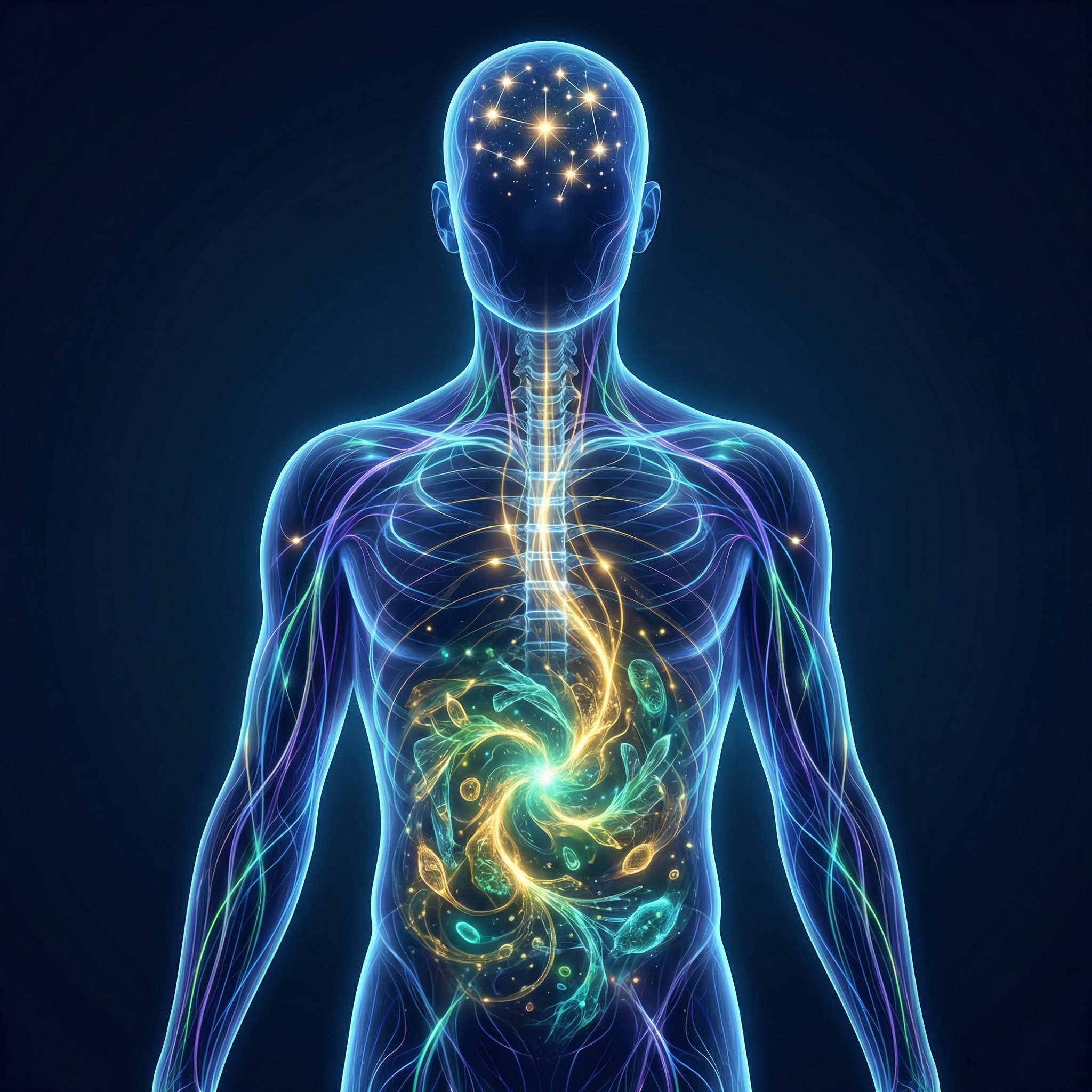
Right. When the body struggles to process fats, it can trigger a systemic inflammatory response. Also, if the bile acids are not being absorbed correctly in the terminal ileum—the end of the small intestine—they can enter the colon and cause the release of certain peptides that make you feel lethargic. It is a physiological signal that the body is under digestive stress. By keeping the fat low and the fiber high, he is essentially smoothing out his internal chemistry.
That is fascinating. It is not just "in his head" or a result of eating too much; it is a specific chemical reaction to the missing gallbladder. Now, let's get even more specific for Daniel. If he walks into a "Super-Pharm" or a "Be" pharmacy, what should he look for on the shelves that might help?
He might want to look for digestive enzymes that specifically include lipase. Lipase is the enzyme that breaks down fats. While it won't replace the concentrated bile, it can help the small intestine do its job more efficiently. He should also look for high-quality probiotics. Since his large intestine is dealing with more undigested material than it used to, keeping the microbiome balanced is crucial to prevent the "bad" bacteria from taking over and causing more gas.
And what about the "M-C-T" oil I see people talking about in keto circles? Is that something he should consider?
That is a great question. M-C-Ts, or Medium Chain Triglycerides, are unique because they do not require bile for digestion. They are absorbed directly into the portal vein and go straight to the liver for energy. For someone without a gallbladder, M-C-T oil can be a way to get healthy fats and calories without the bloating. However, he should start very slowly—maybe half a teaspoon—because too much at once can cause its own kind of digestive upset. You can find M-C-T oil in most Israeli health food stores now.
So he could potentially add a tiny bit of M-C-T oil to his D-I-Y shake?
Exactly. It would give him a bit more sustained energy without the "supply chain" issues of regular fats. But again, the key word is "gradual."
This has been a really insightful deep dive, Herman. It is easy to overlook how much a single surgery can change someone's daily relationship with something as fundamental as food. I hope these local Israeli tips help Daniel feel a bit more in control.
I hope so too. It is all about working with the body you have now, not the one you had seven years ago. The liver is a resilient organ; it will keep providing that bile drip, you just have to make sure you are not giving it more than it can handle at any one time. It is about respect—respecting the new pace of your digestive system.
Well said. Before we wrap up, I want to remind everyone that if you have a topic you want us to explore, or if you have your own "weird prompt" like Daniel's, you can get in touch with us. We love these specific, practical challenges.
Yes, please do. We love hearing from you. You can find us at our website, myweirdprompts dot com. We have an R-S-S feed there for subscribers and a contact form if you want to send us a message.
You can also reach the show directly by emailing show at myweirdprompts dot com. We are available on Spotify, Apple Podcasts, and pretty much wherever you get your podcasts.
And hey, if you have been listening for a while and you are finding these discussions helpful or interesting, we would really appreciate it if you could leave us a review on your podcast app. It genuinely helps other people find the show and join our little community of curious minds.
It really does. A quick rating or a few words on Spotify or Apple Podcasts makes a huge difference for us. It helps the algorithms realize that people actually like hearing two brothers talk about bile and freekeh in Jerusalem.
It is a niche, but it is our niche. Well, I think we have covered a lot of ground today. From the physiology of the gallbladder to the best stalls for freekeh in Machane Yehuda.
It has been a good one. Thanks for the expertise, Herman Poppleberry. I feel like I have learned enough to open my own low-fat stall at the shuk.
Don't quit your day job just yet, Corn. But I'll be your first customer if you do. Good luck with the meal prep, Daniel. We are rooting for you. Remember, it is not a battle you have to lose; it is just a system you have to manage.
Thanks for listening to My Weird Prompts. We will be back soon with another episode. Until then, take care of yourselves and each other.
Goodbye, everyone. Enjoy the Jerusalem sunshine if you can find it today.