
Page 85 of 277

#3938: Why Defensive Driving Is About Observation, Not Stunts
What defensive driving actually teaches — and why it's 70% about scanning, not skid-pad heroics.

#3937: The Third Pedal's Last Mile
Manual transmissions are vanishing fast. Here's what's driving the decline and what it means for drivers who still want three pedals.

#3936: Tow Lines & Ratchet Straps: Two Worlds, Same Physics
From highway trailers to hand-pulled trolleys — the same three engineering problems, wildly different solutions.

#3935: Why 88% of People With Driving Anxiety Never Hear About VR Therapy
VR therapy for driving anxiety and occupational therapy for ADHD are proven and effective. Why has almost nobody heard of them?

#3934: Hands-Free Carry for ADHD Brains
A belt-based carry system that keeps phone, keys, and power bank accessible with one hand — without looking like a building manager.
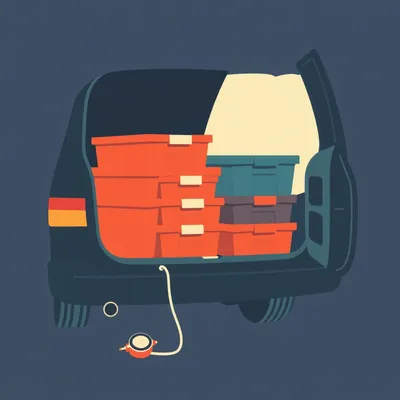
#3933: The Hidden Danger in Your Loaded Trunk
Why your car looks fine but might be dangerously overloaded — and how to actually check.

#3932: How Pro Movers Carry 4 Boxes at Once Without Injury
The biomechanics, equipment engineering, and psychology behind safer DIY moving.
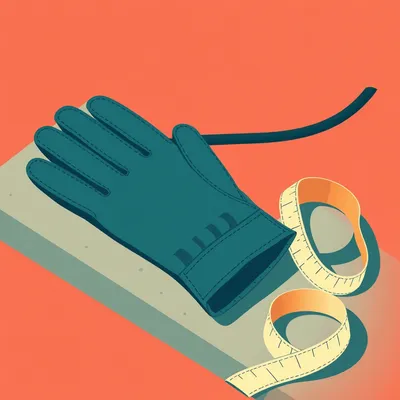
#3931: How Your Body Adapts to Brutal Physical Labor
The science of how manual workers get stronger, then slowly break down over decades.
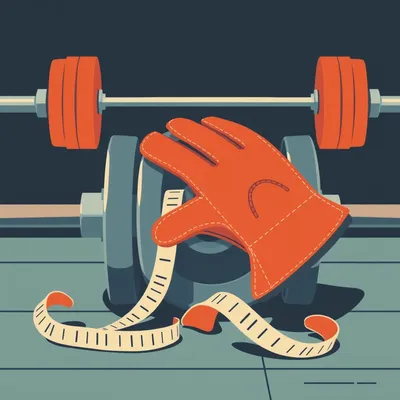
#3930: Why Movers Are Stronger Than They Look
How movers and Olympic lifters build elite strength without big muscles — it's all in the nervous system.

#3929: How a $50 Strobe Reshapes Traffic
Trip boards and amber strobes let anyone command deference. The psychology and legality explained.
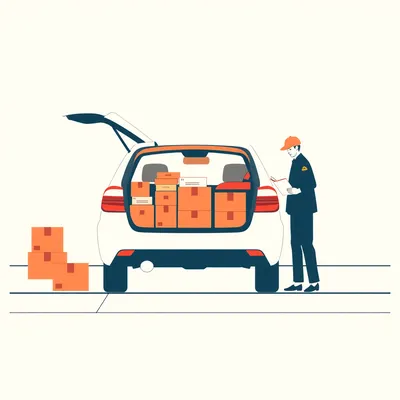
#3928: How to Park a Moving Van Without Getting Ticketed
Loading zone loopholes, permit traps, and the art of curb negotiation for urban moves.
#3927: How to Rewire Driving Fear in 10 Minutes
The science of why periodic drivers experience terror — and what to do about it.
#3926: What Your Amygdala Does During a Near-Miss
How a near-miss on Route 1 reveals the biology of trauma — and what Israeli data shows about who develops PTSD.

#3925: Surviving Tailgaters: What Your Brain Does Wrong
Why your brain makes tailgating worse — and what actually works when headlights fill your mirror on a dark road.
#3924: Can You Make a Hi-Vis Vest for a One-Year-Old?
A dad with a toy forklift discovers why ANSI safety standards make toddler hi-vis vests mathematically impossible.
#3923: Why Jerusalem Traffic Feels More Dangerous Than It Is
Why a confident Irish driver feels paralyzed behind the wheel in Jerusalem — and what the brain is actually doing.
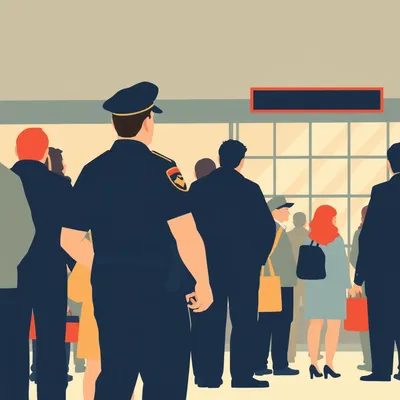
#3922: Visible Deterrence: Theater or Tactic?
Does visible armed presence prevent violence or escalate it? An analysis across protests and airports.

#3921: The Pallet Problem: Why Your $30 Box Costs $40
Why ordering ten industrial boxes costs more than forty-eight — and how to hack the gap.

#3920: The Ghost in the Agreement: Inside the US-Israel-Lebanon Framework
A 14-page agreement that never names Hezbollah — and what it reveals about the real diplomatic strategy.

#3919: When Militants Want You to Watch Their Training
Hezbollah and Hamas don't hide their military drills from satellites. They broadcast them. Here's why.