
iPhone
line of smartphones developed and marketed by Apple Inc.
Episodes
-
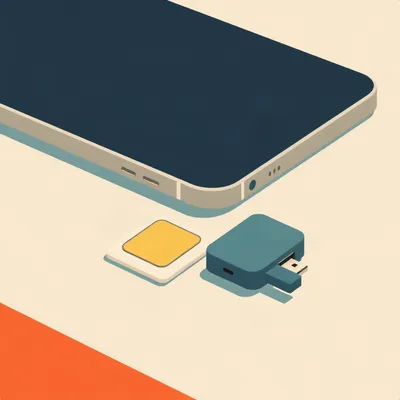 #5525: Why Does an eSIM Adapter Need a Card Reader?Your Android phone can already read and write an eSIM adapter card. So why does the company still sell a $15 USB reader?
 -
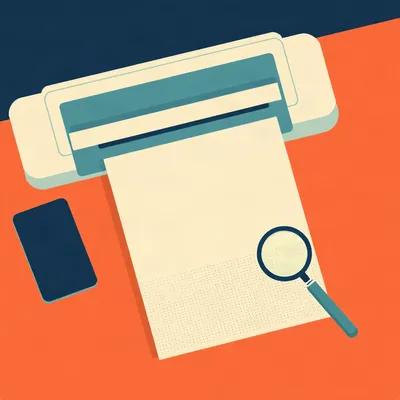 #5829: Printing Files on Paper That Outlasts the SoftwareOptar and PaperBack turn any file into machine-readable dots on paper. The paper lasts centuries — the codec might not.
 -
 #5700: Did the Internet's Pioneers Know What They Were Building?Vint Cerf says they didn't know — and they did. How early internet subculture formed, where it lived, and whether it survived.
 -
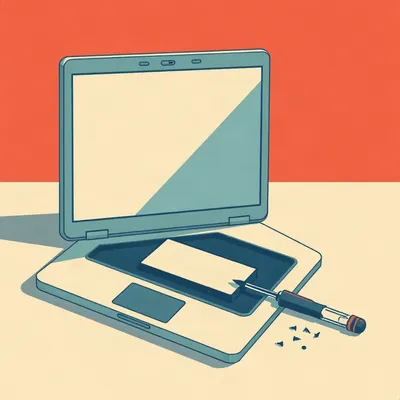 #5424: ThinkPad E15: Swollen Battery or Bad Keyboard?A dead arrow key and a jammed trackpad on a two-year-old ThinkPad E15 might be one problem, not three.
 -
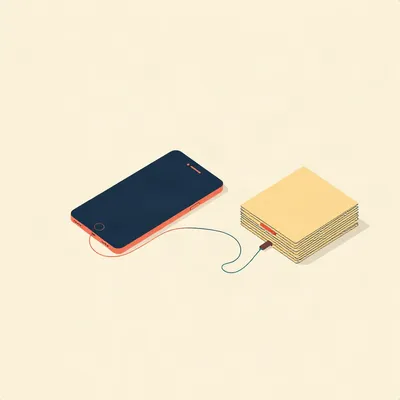 #5417: Can You Version-Control Your Android Apps?Android Developer Verification enforcement just started. Can you define your installed app list as code — and what breaks if you try?
 -
 #5386: Morse Code Between Two Phones: Does It Actually Work?Two phones, no data, one room. Morse over sound and flashlight — what the research says about echoes, timing, and whether anyone will hear you.
 -
 #5364: The Emergency Note You Hope You Never NeedPenicillin in Bangkok, paracetamol in London, Adderall at customs. What actually goes in the note on your phone?
 -
 #5263: Why Micro USB Ports Break and How to Fix ThemMicro USB ports fail mechanically, not electrically. Here's why they break, how to diagnose it, and whether a USB-C swap is worth it.
 -
 #5190: How Iranian Rugs Reach Israeli ShelvesTunisian olive oil with French labels, Iranian rugs in Jerusalem shops — how goods actually move around sanctions and enemy-state bans.
 -
 #5139: What Non-Internet Phones Reveal About Smartphone AddictionDo internet-free phones prove the web is the addictive layer? The Haredi community offers a fascinating, if imperfect, natural experiment.