90 Seconds to Safety: Emergency Preparedness in the Modern Age
Living in Israel gives the topic of emergency preparedness an immediacy that’s hard to appreciate from a distance. Six episodes covered both the practical and psychological dimensions.
The Shelter Problem
- The UX of Survival examined why public shelters often fail at their most basic function. Poor signage, locked doors, inaccessible locations, and designs that prioritize construction cost over usability. The hosts argued that shelter UX is literally a life-or-death design problem that receives almost no attention from the disciplines (UX, architecture, public policy) best equipped to solve it.
Staying Connected
- Deep Shelter Data tackled communications when infrastructure fails. Mesh networks using LoRa, Meshtastic, and ham radio can maintain local communication when cellular towers go down. The episode covered range limitations, encryption options, and practical deployment — including pre-positioning nodes before an emergency.
Staying Powered
- Digital Preparedness reviewed portable power stations — the lithium battery units that can keep phones, radios, and medical devices running during extended outages. The hosts compared capacity, output types, solar charging capability, and the critical distinction between units sized for camping convenience and units sized for genuine emergency power.
State-Level Preparedness
- Beyond the Bunker zoomed out to government-level continuity planning. Bunkers, command chains, constitutional succession, and the infrastructure designed to keep a state functioning after a catastrophic attack. The hosts compared approaches across countries and the uncomfortable gap between planning and reality.
The Human Dimension
-
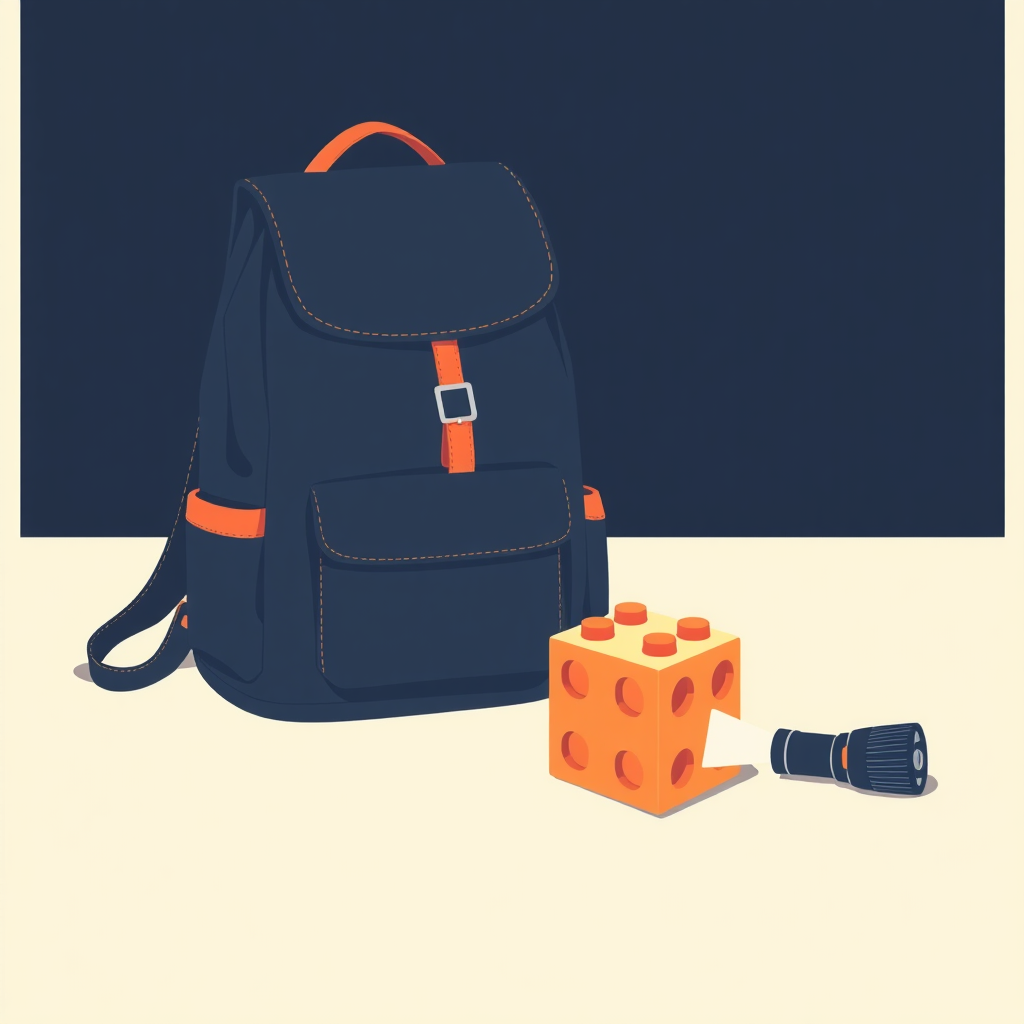
90 Seconds to Safety focused on the most stressful scenario: getting children to safety during an alert. The episode covered logistics (grab bag contents, route planning, age-appropriate communication), practice drills, and the reality that emergency response with young children requires a fundamentally different approach than individual preparedness.
-
The Art of Self-Preservation addressed what happens to your body and mind during sustained crisis. Nervous system regulation, the physiology of hypervigilance, and practical techniques for finding rest when the threat environment doesn’t allow true relaxation. This isn’t self-help — it’s survival physiology.
These episodes don’t romanticize preparedness or catastrophize threats. They provide practical information for people who live in places where emergencies aren’t hypothetical.
Episodes Referenced