Follow the Money: Financial Crime, Shadow Economies, and the Hidden Architecture of Global Wealth
The global financial system has two layers: the one that appears in annual reports and the one that doesn’t. Corn and Herman have explored both, producing a set of episodes that pull back the curtain on how money actually moves — through shell companies and correspondent banks, through microsecond trades and diplomatic wallets, and through the elaborate reputation-laundering operations that keep powerful people’s histories tidy. This is the listener’s guide for people who want to understand what happens below the surface of the global economy.
The Shadow Economy
-
The Invisible Billions is the place to start. The episode laid out the architecture of the global shadow economy — the web of shell companies, nominee directors, and secrecy jurisdictions that allows an estimated 10-15% of global GDP to circulate outside of formal oversight. The hosts traced why this infrastructure exists (some of it is legitimate tax optimization, some of it is criminal), how it is structured in jurisdictions like the British Virgin Islands and Delaware, and what happens when investigators try to follow the money.
-
The Hidden Plumbing went deeper into the mechanics of how dirty money is cleaned. The classic model — placement, layering, integration — turns out to be more nuanced than the textbook suggests. Real laundering operations use trade misinvoicing (reporting the wrong price for goods to move value across borders), real estate transactions, luxury goods markets, and increasingly, cryptocurrency mixers. The episode walked through each stage and explained why it’s so difficult for regulators to interrupt the process without disrupting legitimate commerce.
-
Banking on Surveillance traced the history of Know Your Customer and Anti-Money Laundering regulations — the bureaucratic apparatus that banks use to verify who they’re doing business with. The episode explained why KYC frameworks emerged after the BCCI scandal in the early 1990s, why they’ve grown enormously complex and expensive since then, and why critics argue they produce more compliance theater than actual crime prevention. The irony: the banks most heavily fined for KYC failures have also spent the most on KYC systems.
Reputation as a Financial Asset
- Reputation Laundering examined a less-discussed form of financial crime: the systematic editing of public history by the ultra-wealthy. The episode covered the industry of crisis PR firms, Wikipedia editors-for-hire, search result suppression, and “philanthropic washing” — the process by which large charitable donations are used to reframe public narratives about individuals whose wealth comes from legally or ethically questionable sources. The hosts asked a pointed question: at what point does reputation management become historical falsification?
The Mechanics of Financial Markets
-
The Billion-Dollar Millisecond explored high-frequency trading — the practice of using algorithms and colocated servers to trade securities in microseconds, profiting from arbitrage opportunities that exist for fractions of a second. The episode explained the technology involved (fiber optic and microwave relay towers built specifically to shave microseconds off data transmission), the strategies HFT firms use, and the ongoing debate about whether HFT improves market liquidity or simply transfers wealth from slower participants to faster ones.
-
Beyond the Swipe examined the security architecture of digital wallets and the fraud ecosystem that has grown up around contactless payments. The hosts covered tokenization (how Apple Pay and Google Pay protect card numbers), the fraud vectors that still work despite tokenization, and the “friendly fraud” problem — card disputes filed by consumers who received goods but claimed otherwise. The episode explained why payment security is fundamentally an adversarial game with no permanent solutions.
The Future of Money and Trade
-
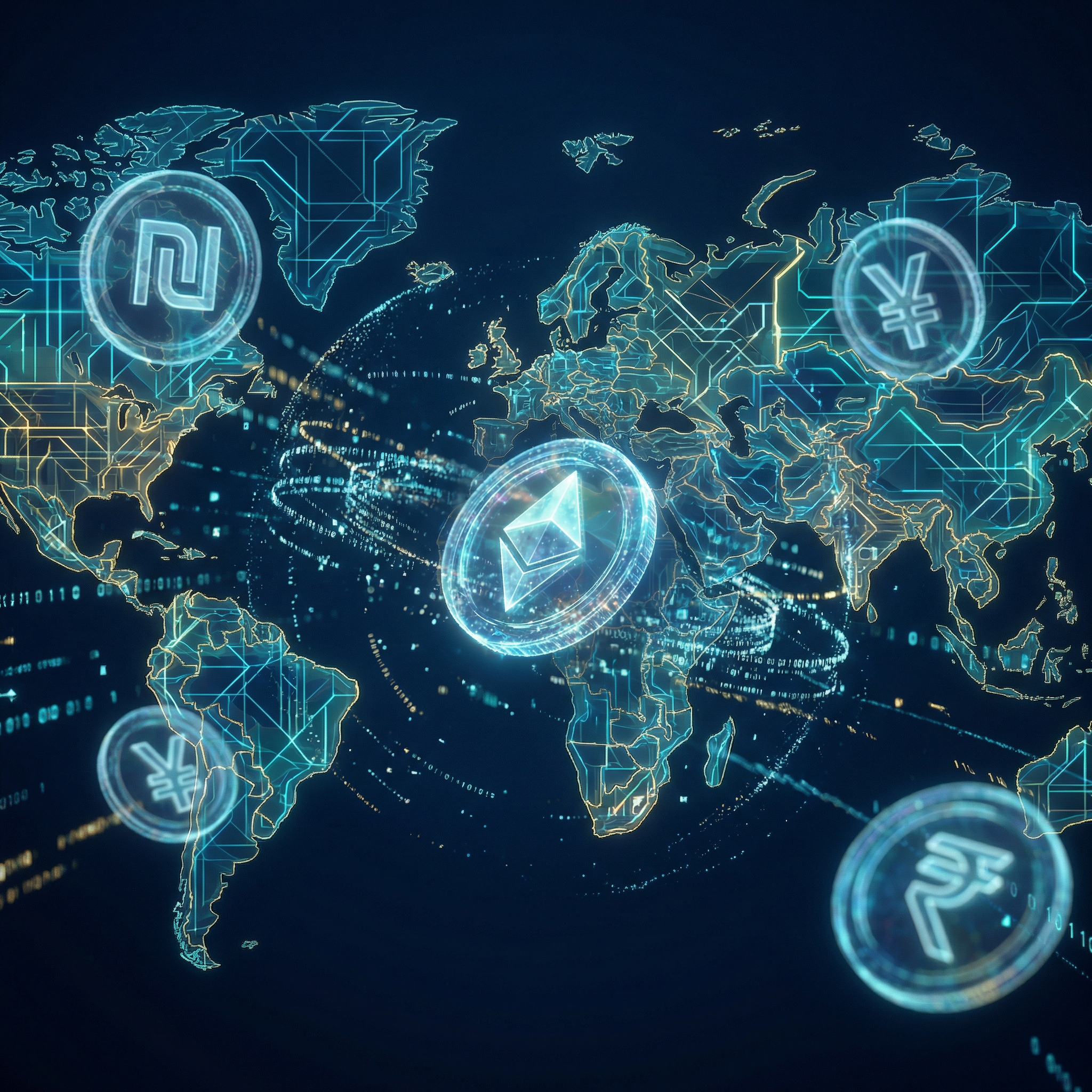
The Rise of CBDCs tackled central bank digital currencies — government-issued digital money that would give states unprecedented visibility into financial transactions. The episode laid out the genuine case for CBDCs (financial inclusion, reduced friction in cross-border payments, programmable money for targeted stimulus) against the surveillance argument (a CBDC gives governments the ability to see and potentially block every transaction its citizens make). China’s digital yuan pilot and the EU’s digital euro project were examined as case studies in how different governance philosophies produce different design choices.
-
The Secret Language of Trade explained Incoterms — the standardized terms used in international commercial contracts to define who bears the risk and cost of shipping goods at each stage of transit. The episode covered the most commonly misunderstood terms (FOB, CIF, DDP) and the legal disputes that arise when buyers and sellers interpret them differently. It’s a dryer subject than money laundering, but the episode made the case that Incoterms are the hidden grammar of global commerce — understanding them is the difference between knowing what a contract actually says and thinking you know.
Money is the language of power, and the episodes in this guide are a course in financial literacy that goes well beyond the standard curriculum. Whether it’s the mechanics of laundering, the politics of banking regulation, or the millisecond economics of algorithmic trading, these episodes give listeners the vocabulary to understand how the global financial system actually operates — and who it actually serves.
Episodes Referenced