The $4 Miracle: How Global Supply Chains Actually Work
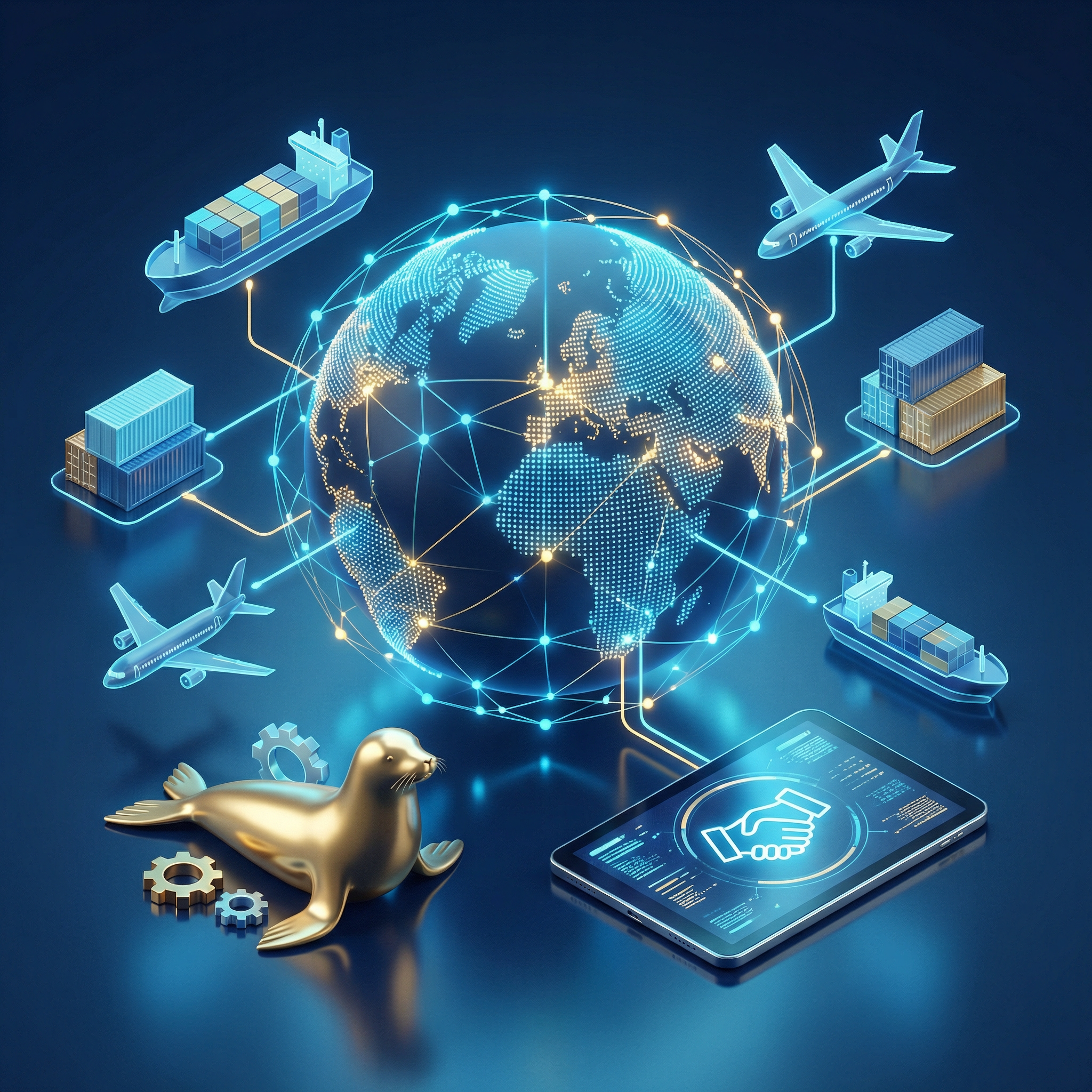
You can order a small electronic component from a seller in Shenzhen, pay $4 including shipping to Israel, and receive it in ten days. This is, if you stop to think about it, genuinely miraculous. It implies a system of warehousing, consolidation, international air freight, customs processing, last-mile delivery, and returns handling that is so efficient it can profitably move a single item weighing a few grams across the planet for a few dollars. Understanding how that system works — and what it costs, what sustains it, and what threatens it — is one of the most illuminating lenses on the modern global economy. Corn and Herman have explored this territory across a set of episodes that go well beyond the surface story.
The AliExpress Economy
-
The $4 Miracle is the essential episode. It examined the logistics infrastructure that makes ultra-cheap international e-commerce possible: the Chinese government’s subsidized postal partnerships with international postal unions (the terminal dues system, established in 1969 and only recently renegotiated, meant Chinese packages were shipped internationally at rates calculated for small, poor postal markets), the massive investment in consolidation centers, and the scale effects that come from moving tens of millions of packages per day. The episode explained why what looks like irrational pricing from the seller’s perspective makes complete sense when you understand the full system.
-
The True Cost of a Click examined the other side of the ledger: what AliExpress-style global logistics actually costs in terms of labor conditions, environmental impact, and the effect on local retail ecosystems. The episode was careful not to be simply polemical — cheap goods access has real welfare benefits for consumers with limited incomes — but it laid out the externalities that don’t show up in the $4 price tag: the carbon footprint of air freight, the working conditions in Chinese fulfillment centers, and the cumulative effect of millions of small packages on postal systems in receiving countries.
-
The Secret Logic of AliExpress Logistics went deep on the operational architecture: the consolidation hubs that aggregate orders from thousands of sellers, sort them by destination country, and hand them off to international carriers in bulk. The episode explained how the system handles the variance in product quality and the high return rates that characterize ultra-cheap goods, and what “ePacket” and similar programs actually are from a logistics perspective rather than a consumer marketing perspective.
When the Supply Chain Stops
- The Global Supply Chain vs. The Lunar Calendar examined what happens to global supply chains during Chinese New Year — the two-week period when a significant fraction of global manufacturing capacity shuts down simultaneously. The episode traced the ripple effects through inventory management, shipping rates, and lead times, and explained the strategies that sophisticated importers use to buffer against the annual disruption. It also noted the broader point: a global supply chain that depends on production concentrated in one country creates systemic fragility that the COVID-19 pandemic made suddenly visible.
The Language of Trade
- The Secret Language of Trade explained Incoterms — the International Chamber of Commerce’s standardized terms for international commercial contracts. Terms like FOB (Free On Board), CIF (Cost, Insurance, and Freight), and DDP (Delivered Duty Paid) specify exactly who bears the risk and cost of shipping at each stage of transit, from factory door to buyer’s warehouse. The episode made these terms accessible without oversimplifying them, covering the most commonly misunderstood distinctions and the legal disputes that arise when parties use Incoterms without fully understanding what they’ve agreed to.
Intelligence and Disruption
- Cracking the Global Supply Chain examined the emerging field of supply chain intelligence — the use of satellite imagery, shipping data, trade statistics, and AI analysis to understand what is actually happening inside complex global production networks. The episode covered the use cases: corporations trying to understand the exposure of their supplier networks, governments trying to track strategic goods (chips, rare earths, dual-use materials), and researchers trying to verify ESG claims. It also examined the limits: much of what happens inside supply chains remains genuinely opaque even to participants in them.
The global supply chain is one of humanity’s most complex collaborative achievements — a system so intricate and interdependent that no single person or organization fully understands it. The episodes in this guide give listeners a working knowledge of how goods move around the planet, who pays the real costs, and what happens when the system encounters the friction of geopolitics, pandemics, and the basic fact that most of it was built on assumptions that are no longer holding.
Episodes Referenced