
#neuroscience
205 episodes · Page 5 of 9
#2562: Why Do Humans Love Food That Burns?
The science of why we enjoy pain from chili peppers, from ancient domestication to modern hot sauce culture.
#2529: Depression Subtypes: Is It Cognitive or Biological?
Not all depression is the same. Here's what science says about melancholic, atypical, and biotype-based subtypes.
#2527: Do Brain Changes from Therapy or Pills Actually Last?
Do SSRI brain changes reverse after stopping? Can therapy physically rewire your brain for good? New neuroscience has answers.
#2513: Are Your Thoughts Lying to You?
The science of automatic thoughts, cognitive distortions, and whether you can actually learn to control your thinking for a happier life.
#2484: The Alcohol-Depression Paradox: A Neurochemical Bridge
Why depressants worsen depression through rebound effects, not direct action — the real mechanism explained.
#2294: The Side Sleeper’s Edge: Why Most of Us Sleep Curled Up
Why do 74% of people sleep on their side? Explore the science behind sleep positions and their impact on health and comfort.
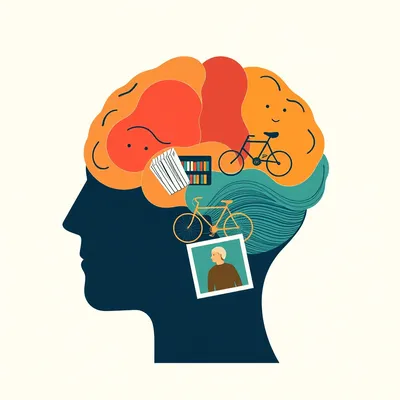
#2234: Memory Isn't One Thing: What Science Actually Knows
Why your memory feels worse than it is, what genes actually control, and whether photographic memory is real—or just a persistent myth.
#2231: How a Headlamp Rewires ADHD Attention
A camping headlamp accidentally revealed how ADHD brains process visual information differently—and what it teaches us about attention regulation w...
#2127: When the Siren Stops, the Brain Keeps Screaming
Six weeks of sirens rewires the brain for permanent alarm, turning a fleeting lull into a new kind of terror.
#2049: Why Your Brain Prefers Listening Over Reading
Audio learning taps into ancient brain wiring, offering relaxed alertness and better big-picture retention than reading.
#2048: How Many Friends Do You Actually Need?
New data shows the average adult has just 3.6 close friends, and 15% of men have zero.
#2047: Why Video Calls Feel Like a Workout for Your Brain
Remote work is draining our "social radar," but new science shows how to rebuild it.
#2034: ADHD and Relationships: Breaking Unhelpful Patterns
ADHD time blindness creates a "parent-child" dynamic in relationships. Here’s how to fix it.
#2029: ADHD Brains: Why Willpower Fails & How to Hack It
Stop blaming yourself for half-used planners. Here’s the neurobiology behind ADHD time management.
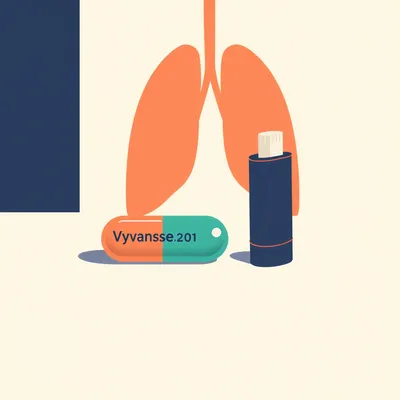
#1971: Vyvanse, Asthma, and the Fight-or-Flight Lungs
Why a stimulant meant for focus can also open your airways—and the risks of mixing it with rescue inhalers.
#1803: Why Hostages Defend Their Captors
A tech exec was brainwashed in 2025. The neurochemistry is the same as Stockholm Syndrome.
#1791: Why the Slowest Animal Has 4 Billion Views
The sloth has replaced the hustle icon. Here's why 4 billion views on TikTok prove we're desperate for metabolic stillness.
#1783: Why Sleep Deprivation Makes You a Monster
Sleep loss doesn't just make you tired—it physically cuts the brake line between your logical and emotional brain.
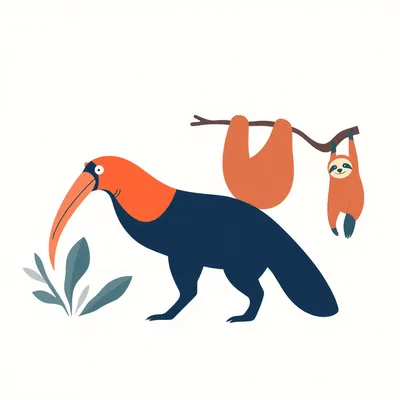
#1704: Why Do Sloths Hate Anteaters?
A sloth's visceral fear of its own cousin reveals how animal brains detect "wrongness" without recognizing species.
#1703: Why Sloths Don't Send Mother's Day Cards
From sloths to elephants, we explore why most animals break family ties cleanly—and why some grieve for decades.
#1693: The Parent's Nervous System Is the Child's War Zone
New research reveals a child's development in war zones depends less on bombs and more on a parent's ability to stay calm.
#1664: Why Your Face Leaks Before Your Brain Approves
Why do we cry at sad movies or laugh at bad jokes? New research reveals how facial expressions evolved as a two-way communication system.
#1659: Why Your Brain Shuts Down After Months of Stress
Chronic stress isn't just mental; it physically rewires your brain. Here's the biological path from high alert to clinical depression.
#1658: Why You Should Never Run From a Dog
Running from an aggressive dog triggers a chase instinct—learn the science-backed "Be a Tree" method instead.