
Health & Wellness
Medical topics, mental health, and wellbeing
342 episodes · Page 14 of 15
#2258: How Maya, Inuit, and Hadza Parents Sleep at Night
How do Maya, Inuit, and Hadza cultures handle infant night wakings? The answer isn't a single trick, but a complete "sleep ecology" that redefines ...

#2257: How Maya, Inuit, and Hadza Cultures Engineer Sleep
What can the sleep practices of the Maya, Inuit, and Hadza teach us? It's not about tricks, but about building sleep into the fabric of life.
#2234: Memory Isn't One Thing: What Science Actually Knows
Why your memory feels worse than it is, what genes actually control, and whether photographic memory is real—or just a persistent myth.
#2231: How a Headlamp Rewires ADHD Attention
A camping headlamp accidentally revealed how ADHD brains process visual information differently—and what it teaches us about attention regulation w...
#2157: Do You Become More You?
New research shows personality is shaped by genes, early environment, and their interaction—not just nature or nurture.
#2152: A Baby's Mouth Is a Lab-Grade Sensor
Why crawling babies put everything in their mouths, and how to balance safety with exploration.
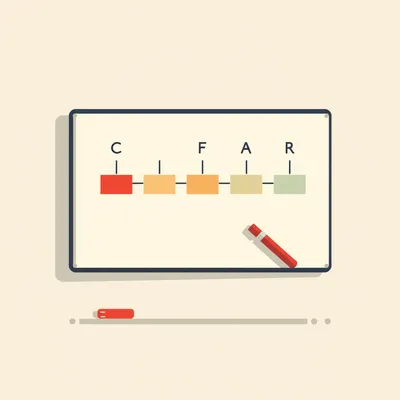
#2150: Debugging Your Brain’s Source Code
Learn the five-step CTFAR sequence that turns emotional chaos into a logical, debuggable system for a managed mind.
#2127: When the Siren Stops, the Brain Keeps Screaming
Six weeks of sirens rewires the brain for permanent alarm, turning a fleeting lull into a new kind of terror.
#2100: The Hidden Job of Managing Your Own Pharmacy
Stop making multiple pharmacy trips. Learn how to sync your meds, track inventory, and ditch the amateur pharmacist role for good.
#2051: Why Can't You Remember Being a Baby?
We have no record of our first years, but our brains were building the foundation of our minds. Here’s what developmental science says that lost wo...

#2049: Why Your Brain Prefers Listening Over Reading
Audio learning taps into ancient brain wiring, offering relaxed alertness and better big-picture retention than reading.
#2048: How Many Friends Do You Actually Need?
New data shows the average adult has just 3.6 close friends, and 15% of men have zero.
#2047: Why Video Calls Feel Like a Workout for Your Brain
Remote work is draining our "social radar," but new science shows how to rebuild it.

#2042: Gifted, Stigmatized, and Seeking Real Community
Why do online communities for the gifted become toxic, and how can you find real-world connections?
#2036: Finding ADHD Tools That Actually Stick
You've downloaded apps and bought books, yet nothing works. Here's why the search for solutions becomes its own source of overwhelm.
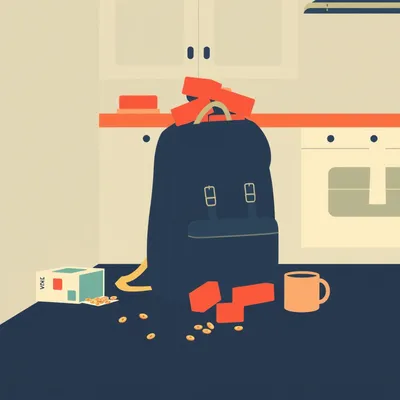
#2035: The Backpack Full of Bricks: Parenting With ADHD
Why standard parenting advice fails for ADHD brains and what survival actually looks like.
#2034: ADHD and Relationships: Breaking Unhelpful Patterns
ADHD time blindness creates a "parent-child" dynamic in relationships. Here’s how to fix it.

#2033: Who Actually Fixes Your ADHD Brain?
Overwhelmed by therapy, psychiatry, and coaching? We break down who does what for ADHD and time management.

#2030: Making Productivity Apps Work for the ADHD Brain
That folder of unused apps? It’s not a personal failure—it’s a design problem. Here’s why complex tools backfire for ADHD brains.
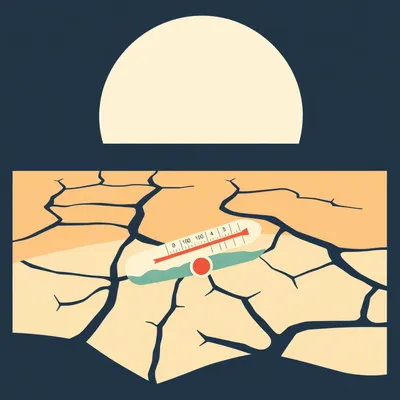
#1977: Why Earth Can't Hit 60°C
Death Valley hit 53.9°C, but the planet seems stuck. Here’s the physics behind Earth’s natural heat ceiling and the biological danger zone.
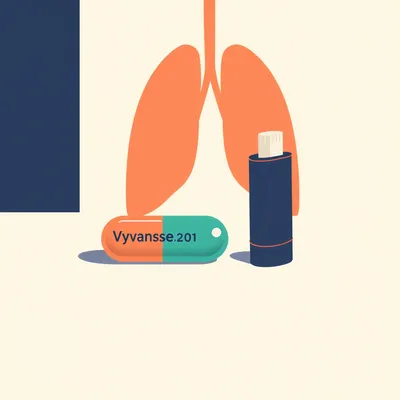
#1971: Vyvanse, Asthma, and the Fight-or-Flight Lungs
Why a stimulant meant for focus can also open your airways—and the risks of mixing it with rescue inhalers.
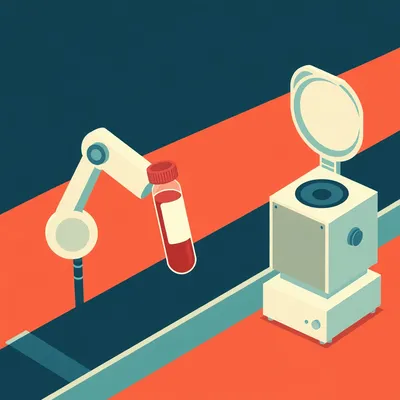
#1902: How a Single Blood Vial Becomes Hundreds of Results
A single vial of blood can yield hundreds of results. Here’s the high-tech industrial process that makes it possible.
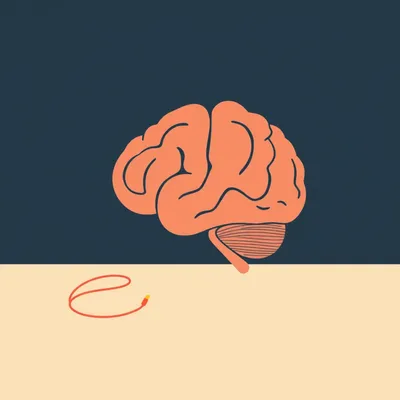
#1852: The BCI Inflection Point: Trade-offs Between Implants and EEG
We trace BCIs from 1970s EEG caps to today’s high-bandwidth implants, comparing Neuralink and Synchron’s invasive vs. minimally invasive approaches.
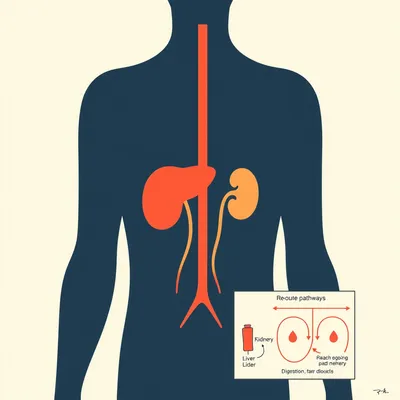
#1798: How Many Organs Can You Lose and Still Live?
You can live without a stomach, a spleen, even a pulse. Here’s what happens when your body’s hardware goes missing.