
Computing
Non-AI computing: networks, servers, hardware, software engineering, and digital security and privacy.
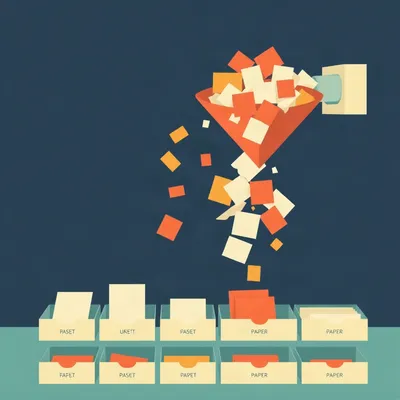
#5277: AI Handles the GTD Inbox So You Don't Have To
GTD says capture everything — then caps your inbox at 100 items. What if AI did the organizing layer instead?

#5276: Who Really Invented the Gantt Chart?
Karol Adamiecki built it in 1896 — in Polish. Henry Gantt got the name. And why critical path analysis still catches what humans miss.

#5272: Soldering for Beginners: Badges, Fumes, and Real Safety
The smoke you see isn't the lead — and the cheap fume extractor most beginners buy doesn't work. Here's what actually does.
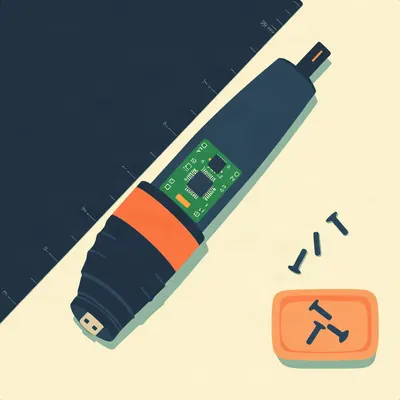
#5270: Teardowns as Documentation: Inside the Hardware Repair Playbook
A dead Dremel sparks a deep dive into teardowns as a documentation discipline — and why board-level knowledge matters more than ever.

#5266: Why Cordless Rotary Tools Sag Mid-Battery
A dead USB port, a sagging battery, and the real physics behind why cordless rotary tools lose their bite mid-charge.

#5265: Repairing a $50 Dremel When the Warranty Costs More
A $50 tool, a 90-minute drive, and a warranty that costs more than the item. How macro PCB photography and public documentation make repair possible.

#5256: Ruby Won the AI Benchmark. Is It Dying Anyway?
97% of public Ruby repos sat untouched for six months — yet Ruby beat Python in an AI coding benchmark. What's actually declining?

#5255: When AI Writes the Code, Who Checks It?
If agents write the code, the human job becomes knowing when it's wrong. What that means for languages, jobs, and CS degrees.
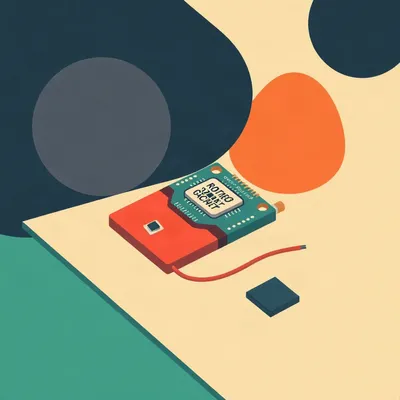
#5253: Zeroization: Wiping Keys, Not Data
Destroying a 256-bit key takes milliseconds. Overwriting a terabyte takes hours. That gap is the whole story.
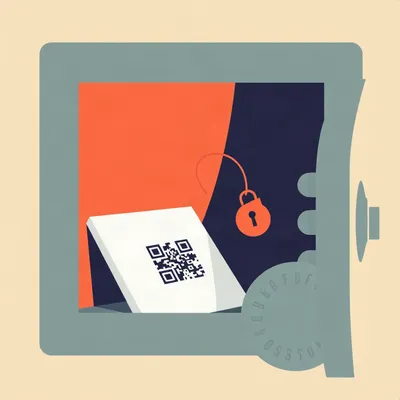
#5252: Paper in a Safe: The Most Rugged Key Backup
Hardware tokens protect your key from being copied. Paper in a safe protects it from being lost. You need both.
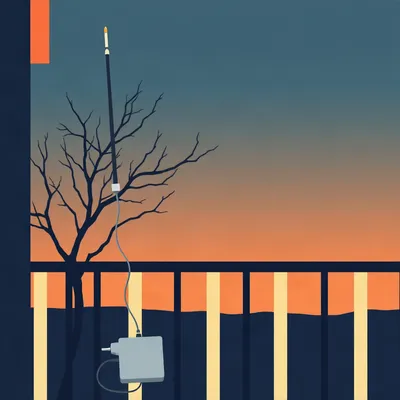
#5250: Building a Shortwave Monitoring Stack on Linux
What it actually takes to scan, capture, and crowdsource HF radio from a Linux box — and where automation hits a wall.

#5249: What Makes a Network Truly Sovereign?
An HF antenna on a consulate roof raises a bigger question: what makes a network sovereign — and why is everyone from cloud vendors to AI data cent...
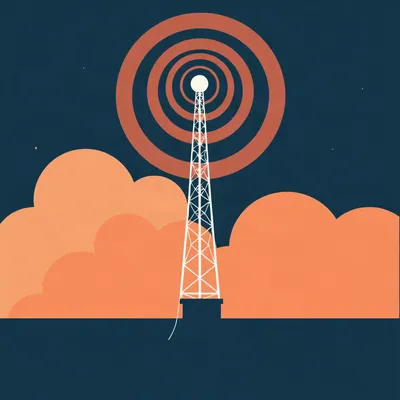
#5248: Why HF Radio Beats Fiber When Governments Pull the Plug
HF loss doesn't scale with distance — it scales with ionospheric hops. And that changes everything about embassy comms.
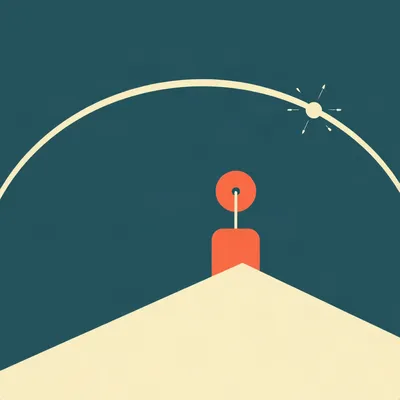
#5247: Why HF Radio Still Matters When Networks Fail
HF and shortwave are the same band — and it's the only comms path no host nation can switch off. Here's why it persists.
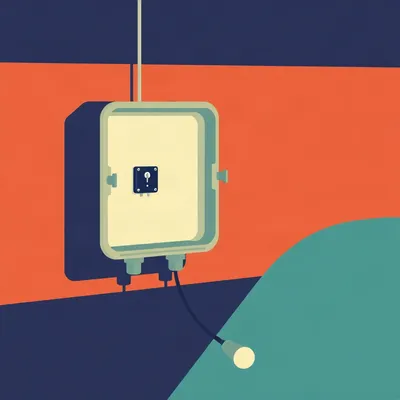
#5235: Wiring Smart Patio Lights Through Home Assistant
Picking a Zigbee RGB controller is the easy part — sizing the power supply and keeping mains water out is where patio lighting projects live or die.

#5233: One Tap Beats Eight Links: Designing a Digital Business Card
Most digital cards fail in ten seconds. Here's the design that actually starts a conversation.

#5232: Zello, PTT Buttons, and the Kitchen Intercom Question
Why your Bluetooth speaker ignores Zello's push-to-talk — and what to buy instead for a hands-full, phone-off fallback.

#5230: Why Your Research Agent Won't Stop Searching
Most agent search runs add no new evidence — and 66-85% of the context window is just search snippets. Here's what actually stops the loop.

#5220: Malware vs. Virus: What's Actually Attacking Your Machine
Every virus is malware, but not every malware is a virus — and that distinction explains why your antivirus keeps missing things.
#5208: Why Tech Consortia Keep the Stack From Flying Apart
From GSM to HDMI to LTO, why competitors form standards bodies — and what happens when the commitments break.