
Health & Wellbeing
Medical topics, mental health, neuroscience, ADHD, neurodivergence, and wellness

#5429: Bathtime Safety: What the Data Actually Says
Two-thirds of child drownings inside the home happen in the bathtub. Here's what the research says about temperature, supervision, and the towel.
#5427: Why Atheists Still Knock on Wood
Religion and superstition aren't the same thing — and the data says they might even pull in opposite directions.

#5421: Why Secular Israelis Still Fast on Yom Kippur
A majority of secular Israeli Jews fast on Yom Kippur. What the data say about how faith gets handed down — and how observance becomes a weapon.
#5418: Why Dehydration, Not Hunger, Is the Real Risk of a 25-Hour Fast
Twenty-five hours without water is a different problem than twenty-five hours without food. Here's the physiology of dehydration — and how to prepare.

#5395: Six Colors, One Hospital Corridor
A pediatric ward's six-color corridor system reveals what good interface design looks like when people are scared and lost.
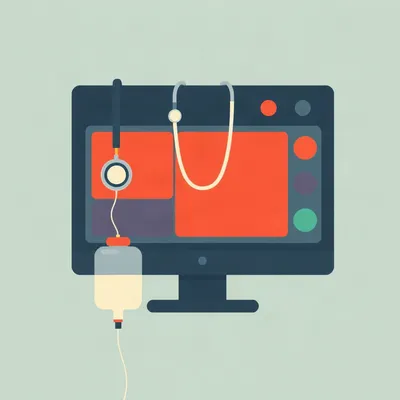
#5391: The Software Behind Urgent Care Triage
Big buttons, emoji vitals, and a system that says "order IV" — what's actually running behind the triage screen?

#5370: The Spotlight Effect and the Heckler's Playbook
Why a waiting room feels scarier than a stage — and how performers handle hostile crowds without losing the room.

#5369: Pouch Full of Doubt: The Inner Critic at Urgent Care
A tool belt full of emergency supplies, two curious strangers, and the question: is your weird choice yours, or an echo of old ridicule?

#5368: When Both Parents Get Sick and No One Can Help
Two caregivers, no family nearby, and a stomach bug. What actually happens when the backup plan doesn't exist.
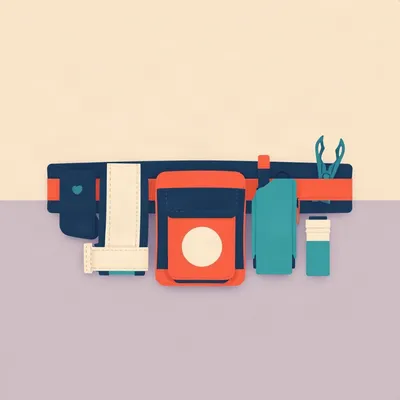
#5366: Packing a Medic Belt: TQ First, Then Everything Else
Tourniquet at ten o'clock, radio at four. How medics build a belt kit that works in seconds — and what goes in a reduced version for non-medics.
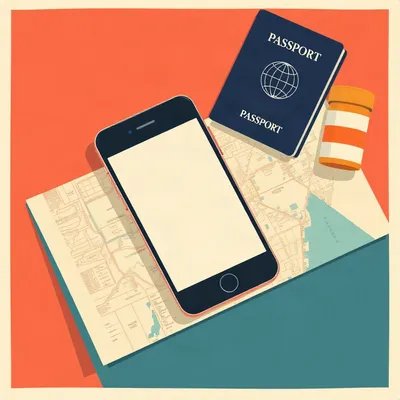
#5364: The Emergency Note You Hope You Never Need
Penicillin in Bangkok, paracetamol in London, Adderall at customs. What actually goes in the note on your phone?
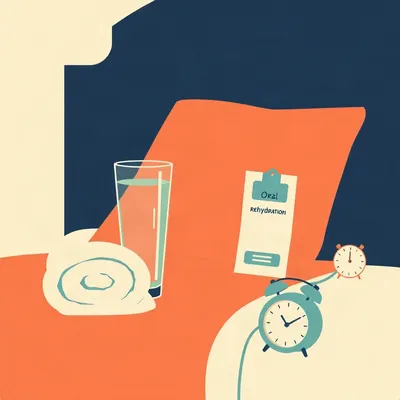
#5363: One Well Adult vs. a Stomach Bug
Solo caregiver, sick kid, sick partner — how to run fluids, spot red flags, and decide on night checks.
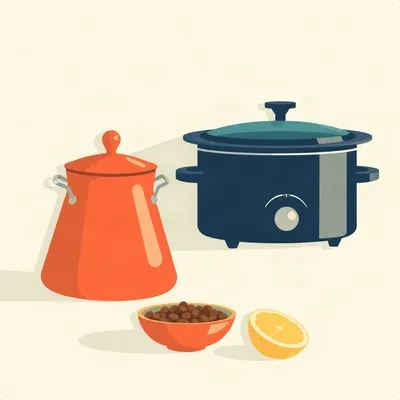
#5360: Ful Medames: Slow Cooker vs Pressure Cooker
Dried fava beans, a slow cooker, and one overnight soak — the idiot-proof path to Egyptian street-style ful medames.
#5336: Cholera and the 3.4 Billion Without Safe Sanitation
Cholera is fast, cheap to treat, and entirely preventable — yet 3.4 billion people lack safe sanitation. Here's why the numbers don't add up.
#5335: The Hidden History of Toilets and Sanitation
From Indus Valley flush drains to Roman sponge sticks to gong farmers — the surprising, gross, and brilliant story of human waste.

#5304: The Skill of Expecting Less (But Not the Worst)
Realists beat optimists and pessimists on long-term well-being. Here's what the research says about keeping expectations accurate.
#5303: Do Airline Safety Demos Actually Save Lives?
Everyone ignores the safety demo — especially frequent flyers. But when a plane catches fire, does that ritual actually get people out alive?

#5284: ADHD Meds, Border Rules, and Thank-You Gifts
Why is it so hard for adults with ADHD to fill a stimulant prescription — and is a thank-you gift to the pharmacist ethical?

#5280: What Chemicals Do to Workers in 2026
2.9 million work-related deaths a year — and 2.58 million of them are disease, not injuries. What workers still don't know about the air they breathe.
#5279: Heavy Metals: Real Syndromes vs. Online Noise
Lead, arsenic, mercury, cadmium — each metal has its own syndrome, route, and treatment. The vague online version misses all of it.