
#distributed-systems
36 episodes

#5327: Catching Duplicate Submissions Before They Burn Credits
A dropped webhook response caused a double submission. Here's how to build a screener that catches duplicates before generation runs.

#5138: Who Are Taxi Drivers Really Talking To?
The earpiece isn't a fake call or a coordination tool. It's a lifeline against the profound isolation of the job.
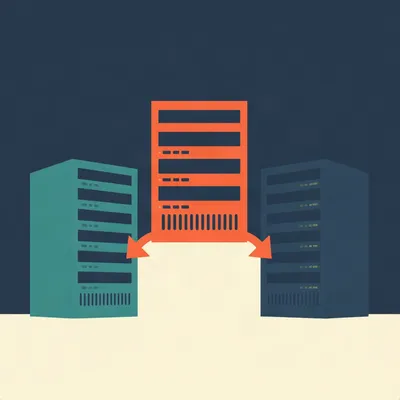
#4993: Cross-Cloud Failover: Can You Actually Survive an AWS Outage?
Real teams are running cross-cloud failover drills — and the first attempt usually fails. Here's what they learned.
#4704: Building a Unified AI Filesystem with Rclone and MinIO
How to build a single virtual filesystem for AI agents across multiple cloud storage providers — without the token headaches.

#4671: Building a Miniature Cloud: Proxmox, MinIO, and the Seams
Proxmox alone isn't a private cloud. What does it actually take to build one?
#4650: How Apache Became the Backbone of Modern Infrastructure
From a patchy web server to 320+ projects — how a volunteer non-profit became the default home for the software running the modern economy.
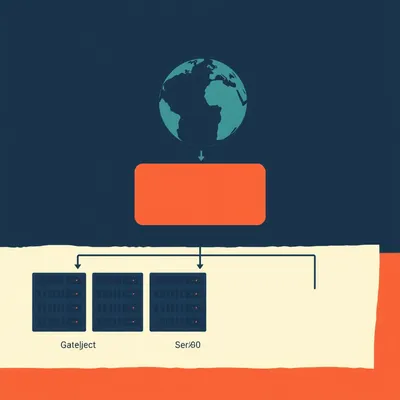
#4471: What's Actually Behind the API Endpoint?
How OpenAI, Stripe, and Netflix actually manage APIs at millions of requests per second.

#2830: What CERN Actually Does: Beyond the Big Ring
CERN is a treaty organization, not a lab. How 24 countries pool resources to run the LHC and beyond.

#2444: Custom IDs: UUIDs vs Human-Readable Keys
How to design database IDs that balance security, human readability, and performance — with lessons from Stripe and TypeID.

#2438: The Folder Illusion: How Object Storage Fakes Hierarchy
Blobs, flat namespaces, and why those "folders" in cloud storage are complete illusions.

#2328: How to Spot a Real AI Hackathon
Discover how to identify worthwhile AI hackathons, build meaningful connections, and maximize your impact in virtual communities.
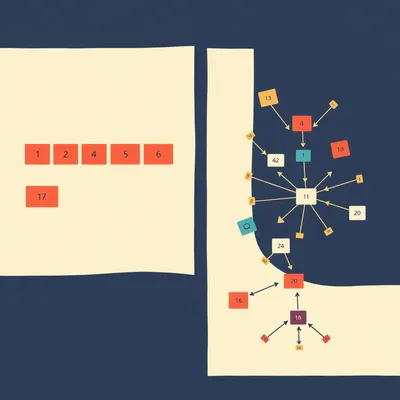
#2167: Sync vs. Async: Architecting Agents for Scale
Why most enterprise AI agents fail in production has less to do with models and more to do with whether they're built synchronously or asynchronously.

#2141: Choosing Your Durable Execution Platform
Why building AI agents means managing infrastructure. We explore durable execution backends like Temporal and AWS Step Functions.

#2113: Goldfish vs Elephant: The Stateful Agent Dilemma
Stateless agents are cheap and fast, but stateful ones remember your window seat. Which architecture wins?

#2018: When Micro Frontends Actually Make Sense
The frontend monolith is a nightmare of coordination. Micro frontends promise autonomy, but is the operational complexity worth the cost?

#2002: Brainstorming a Stable-by-Design Smart Home
We explore why Home Assistant is so fragile and brainstorm a stable-by-design future for the platform.

#1993: Hiding the Kitchen: Why AI Shouldn't Show Its Work
Why single-model chatbots fail at complex tasks—and how multi-agent swarms solve it.

#1946: Why LangChain Built a Three-Layer Agent Stack
We unpack LangGraph, LangChain, and Deep Agents to reveal the deliberate hierarchy behind the ecosystem.

#1944: PostgreSQL: The Thirty-Year Miracle
How does a volunteer-run database power the New York Stock Exchange and survive every tech trend without burning out?

#1938: JSON-to-SQL Type Mapping: A Practical Guide
Mapping JSON to SQL isn't as simple as it looks. Discover the hidden traps in data types that can cause performance hits and data corruption.

#1931: Where Your AI Pipeline Actually Dies
Why do AI pipelines crash? It’s not the models—it’s the plumbing. We break down how to manage data between stages.
#1923: Scaling Prosumer Automation to Enterprise
Prosumer tools like n8n break at scale. Here's why durable execution frameworks like Temporal and Prefect are the enterprise upgrade.

#1920: InfluxDB vs. Postgres: The Time-Series Showdown
We compare specialized time-series databases like InfluxDB against traditional SQL options like Postgres with Timescale extensions.

#1918: When Server Updates Break Your AI Agents
When a third-party MCP server updates its schema, your AI agents can crash. Here's how to build resilient clients that self-heal.