
#human-computer-interaction
69 episodes
#5512: The Passenger Seat Never Got an Instrument Panel
Dedicated front-passenger screens exist across luxury cars — but they're built for TikTok, not for the co-pilot job. Here's why.
#5459: Rebuilding the Podcast: Turn-Taking, Buttons, and Chatterbox
Daniel wants a push-to-interrupt button and a live voice loop. The research says the button is easy and the live part is a research project.
#5420: How Keyboard Middleware Actually Works
A keyboard isn't one thing — it's a stack. Here's how input methods, composition buffers, and hooks really work on Linux, Android, and Windows.

#5395: Six Colors, One Hospital Corridor
A pediatric ward's six-color corridor system reveals what good interface design looks like when people are scared and lost.
#5391: The Software Behind Urgent Care Triage
Big buttons, emoji vitals, and a system that says "order IV" — what's actually running behind the triage screen?
#5233: One Tap Beats Eight Links: Designing a Digital Business Card
Most digital cards fail in ten seconds. Here's the design that actually starts a conversation.

#5160: Bluetooth Peripherals on One Android Phone
How many Bluetooth devices can one Android phone juggle? The seven-device limit is a stack artifact — profiles matter more.
#5158: A Pulse Oximeter Said 97%. That Was the Problem.
A reassuring oxygen reading can hide a child in respiratory distress. Here's what home devices actually tell you — and what they can't.
#4813: The $70 Mouse That Changed Everything
How a $70 ergonomic mouse purchase reveals the quiet way we learn to trust AI.
#4700: Browser Agents: Three Paths to One Protocol
How screenshot watching, dev-tools extensions, and native MCP in Chrome are converging — and what wins.

#4691: The Machine Lane: When AI Agents Call Your Business
What if your business phone menu had a button for AI callers? The search for who's building it — and why nobody has.

#4586: Fixing Stale UI: The 4-Link Chain of Data Flow
Why does a number on screen stay frozen after an upload? We trace the 4-link chain from response to redraw — and where it breaks.

#4568: Building a Smarter Text Expansion Library
Move beyond addresses and signatures — build snippets that shape how you think, decide, and communicate on mobile.

#4469: The Missing Protocol for AI Software Development
No one has built a software development protocol designed for AI agents. Here's what that would require.

#4443: Terminal Navigation Beyond cd: Favorites, Recents & Agentic Workflows
Why cd isn't broken — our spatial memory is. A tour of zoxide, broot, and what's missing for power users.
#4374: How AI Agents Finally Made the Terminal Accessible
How Claude Code removes the memory tax that kept neurodivergent users from living in the terminal.

#4340: Building an AI Tutor That Teaches You to Code Without Writing It For You
How to build an AI tutor that assigns projects, reviews code, and remembers what you've learned — without writing your code for you.
#4289: Spreadsheets vs. SQL: Is the Grid Dying?
Airtable's AI agent just collapsed the usability gap. Does the spreadsheet still have a purpose?

#4179: Why Your Phone Number Link Is Costing You Customers
That non-clickable phone number on your site is quietly bleeding leads. Here’s the five-minute fix.

#4157: Prompt Engineering Is a Misnomer — Managing Ambiguity in AI
Why the best AI outputs come not from tighter prompts, but from knowing where to leave room for surprise.
#4122: Why No AR App for Infant CPR?
A parent at 2AM needs visuals, not a PDF from 2014. Why doesn't the app exist?
#3835: Slack's Accidental AI Agent Superpower
The tool that failed to kill email is now thriving as the notification backbone for AI agents. Here's why.
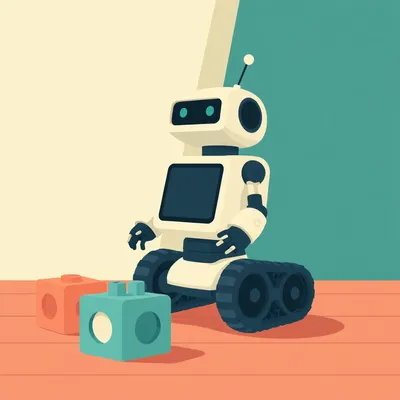
#3718: AI Babysitters Already Exist—What We Learned
Tens of thousands of Chinese families already use robot babysitters. What actually happened, and what's next?
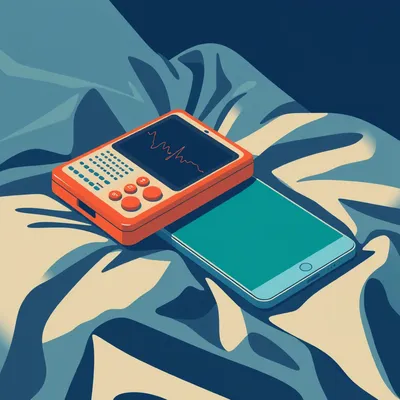
#3221: Why Can't Your Partner Reach You? The Family Pager Problem
Smartphones have no reliable urgent notification channel for families. Here's why — and what might fix it.