
#neuroscience
205 episodes · Page 2 of 9

#4141: Soul Recycling: Jewish Reincarnation Uncovered
Most Jews don't know Judaism has a reincarnation tradition. One rabbi's offhand comment reveals a hidden world.
#4134: The Neuroscience of Harm: When Empathy Has No Cure
fMRI shows real brain differences in personality disorders. Treatment barely works. What do you owe someone you can't help?

#4128: What Is It Like to Be a Sloth?
A speculative deep dive into sloth consciousness — what the world actually looks, smells, and feels like through those eyes.
#4126: The Hotel Three Miles Away
Why a hotel in your own neighborhood can beat a trip abroad for real recovery.
#4083: Can You Retrain Your Sleep Position?
Why your body rejects back sleeping — and whether you can actually change it.
#4078: Tile Floors, Stone Pillows, and the History of Sleep Surfaces
Are hard sleeping surfaces actually better? We trace 77,000 years of human sleep habits.
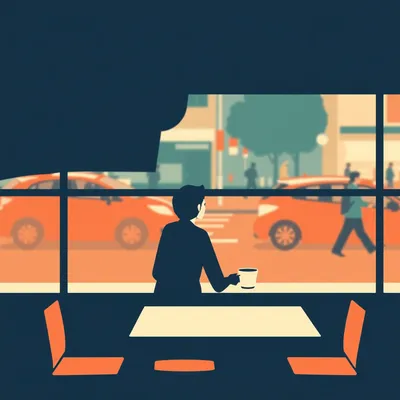
#4029: The Lost Art of People-Watching
What happens in your brain when you stop participating and start observing — and why it feels like rebellion.
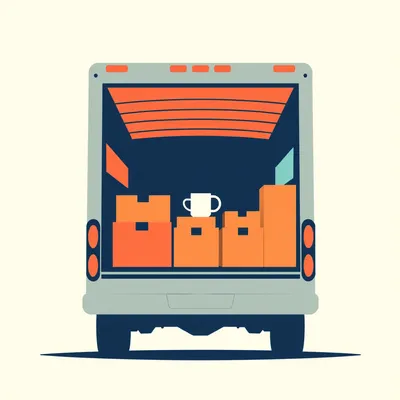
#4021: Emotional Contagion on Moving Day
Why you absorb movers' stress even when you've done everything right — and what to do about it.
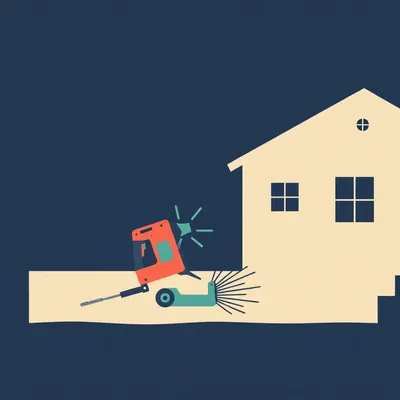
#4011: What Intermittent Jackhammer Noise Does to Your Brain
Unpredictable construction noise isn't just annoying—it triggers your threat-detection system in ways your brain can't adapt to.
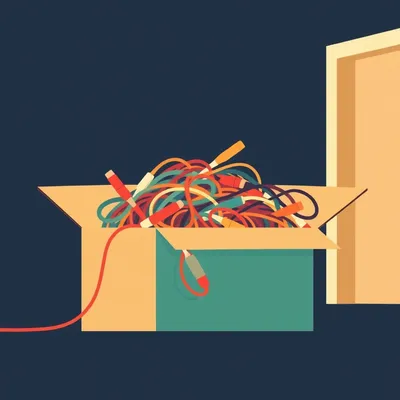
#3986: Why a Silent Person in Another Room Kills Focus
That 10-15% cognitive drain from knowing someone else is home isn't just in your head — it's measurable.
#3930: Why Movers Are Stronger Than They Look
How movers and Olympic lifters build elite strength without big muscles — it's all in the nervous system.
#3926: What Your Amygdala Does During a Near-Miss
How a near-miss on Route 1 reveals the biology of trauma — and what Israeli data shows about who develops PTSD.
#3925: Surviving Tailgaters: What Your Brain Does Wrong
Why your brain makes tailgating worse — and what actually works when headlights fill your mirror on a dark road.
#3907: Why the DNS Postman Metaphor Fails Learners
The postal metaphor for DNS is everywhere—but it's failing millions of learners. Here's what works better.
#3872: What Everyone Gets Wrong About Fear of Heights
Are some people born without fear of heights? The surprising science behind acrophobia and the high-altitude workers of Jerusalem.
#3832: ADHD vs Depression: A Brain Divide or a Bureaucratic Fossil?
Why does ADHD feel "neurological" but depression doesn't — even though both show real brain changes?
#3827: The Earplug Paradox: ADHD vs Autism
Same earplugs, completely different brain. Why ADHD and autism look alike on the surface but feel worlds apart.
#3826: What Your Humor Style Reveals About Your Brain
Why two people can watch the same clip and hear totally different things — one a joke, the other an insult.
#3820: What Feral Children Reveal About Human Brains
The tragic natural experiments that reveal how language and social bonds shape the human brain.
#3723: 80,000 People in Solitary: What It Does to the Brain
What happens inside a concrete box for 23 hours a day? The science of solitary, from SHU syndrome to post-isolation trauma.
#3722: Mapping Humanity's Biggest Unmet Need
Beyond Maslow's pyramid: what do humans actually need to flourish, and where is the global gap widest right now?
#3719: The 39-Millisecond Judgment: Resting Face Explained
Why a still photo can make anyone look hostile, and what sloths teach us about facial misreading.

#3717: What Even Is Luxury?
Is luxury in the object or in your head? A deep dive into the meaning of high-end goods.
#3631: Is It Okay to Parent While Podcasting?
Does listening to a podcast while caring for a baby harm your child? We untangle the guilt from the science.