
#neuroscience
205 episodes · Page 3 of 9
#3607: The Empathy Mixing Board: 3 Neural Systems Explained
Empathy isn't one dial—it's three independent neural systems. How they combine determines everything from burnout to manipulation.
#3591: How SSRIs Change Your Body's Thermostat
Why some people melt in heat while others thrive — and how SSRIs, brown fat, and air conditioning all play a role.
#3590: Why Bad Sleep Makes Your Body Feel Broken
The surprising physiology behind that clammy, hungover feeling after poor sleep — explained.
#3582: The Sponge That Might Be Cheese: Dream Logic of Bikini Bottom
Why does a brainless sea sponge (or is it cheese?) live in a pineapple under the sea? We explore the unsettling worldbuilding of Bikini Bottom.
#3570: How Your Brain Builds a Philosophy
Where do your beliefs really come from? The surprising science of how humans build personal philosophies.
#3557: Does Your DNA Change Over a Lifetime?
DNA isn't a fixed blueprint. It mutates with age, and fathers pass those edits to their children.
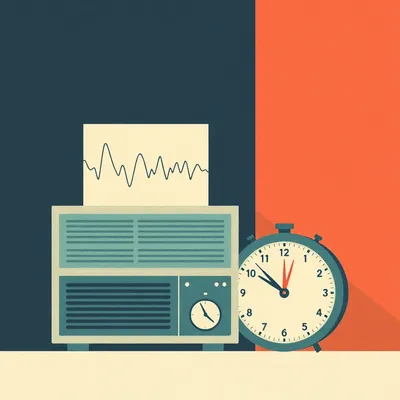
#3534: The 90-Minute Blueprint: How Sleep Cycles Actually Work
N1, N2, N3, REM — what actually happens in each stage and how the cycle shifts across the night.
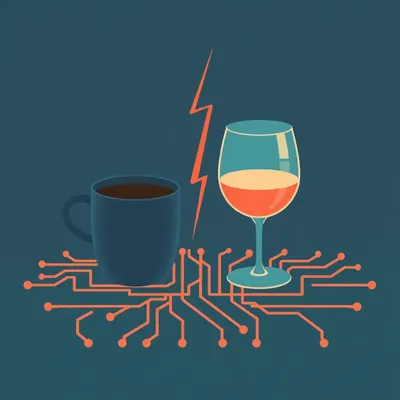
#3524: The Glutamate Trap: Hangovers, Panic, and the Brain
Why alcohol, caffeine, and poor sleep create a perfect neurochemical storm — and what it reveals about anxiety.
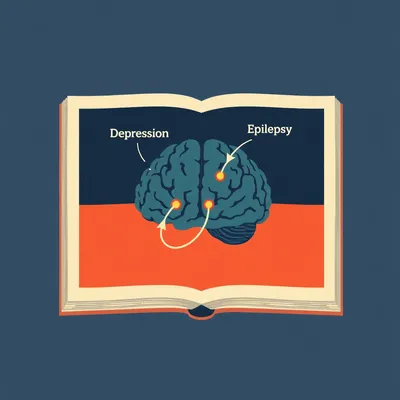
#3523: The Truth About Epilepsy: Seizures, Depression & IQ Myths
Epilepsy isn't binary. One seizure doesn't always mean epilepsy, and the link to depression is stronger than the link to genius.
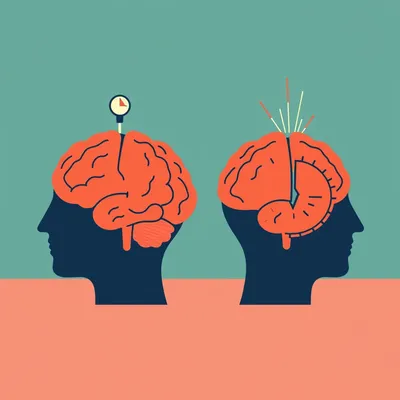
#3517: Why Most Depression Is Unipolar
Unipolar depression is 10x more common than bipolar, yet gets far less attention. Here’s what makes them biologically different.
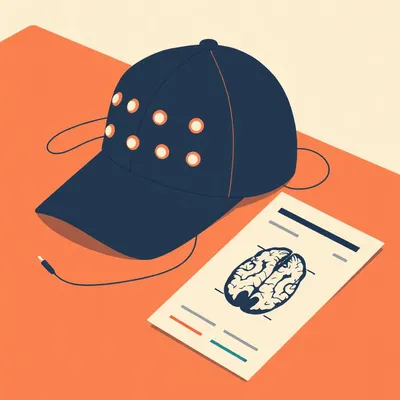
#3515: Brain Scans Beyond fMRI: What Comes Next in Psychiatry
fMRI was a revolution — but it's no longer cutting edge. What new tools are emerging, and will they ever reach your clinic?
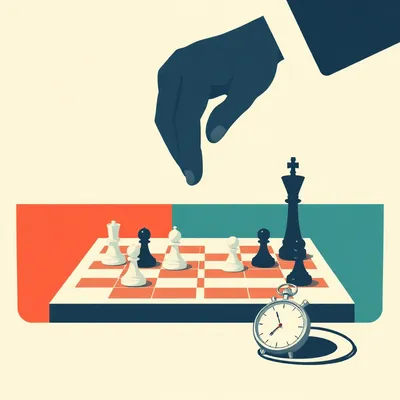
#3391: Fast vs Slow Decision-Making: The Neuroscience
How your brain architecture determines whether you decide in seconds or weeks — and why both styles win.
#3379: Why Airports and War Zones Both Feel Strangely Calm
The science behind feeling oddly relaxed in transit—and why national emergencies trigger the same response.
#3377: How to Silence Your Internalized Critic
Four evidence-based paths to quiet the toxic voice installed by critical caregivers and rebuild trust in yourself and others.

#3376: The Architecture of Childhood: Adult Children of Alcoholics
Why the COA movement isn't about preventing addiction — it's about healing the survival strategies you built in an unpredictable home.
#3373: What Feral Cats and Goldfish Reveal About Animal Minds
From feral cats in Jerusalem to goldfish memory myths—what do we actually know about animal inner lives?
#3366: Baroque Flute at Bedtime: Live Music for Infant Sleep
Why live Baroque flute music soothes infants better than any recording — and why the medieval tunic actually helps.
#3364: What Really Separates Elite Performers
Practice hours explain only 26% of elite performance. So what actually creates world-class musicians, actors, and athletes?
#3360: Why Cuddling Gets Complicated for New Parents
A meta-analysis shows 43% less crying with regular cuddling, yet 68% of new parents feel guilty about not wanting more touch.

#3310: The Brain Science of Conflict Avoidance
Why 42% of adults suppress disagreement—and how to rewire the response.
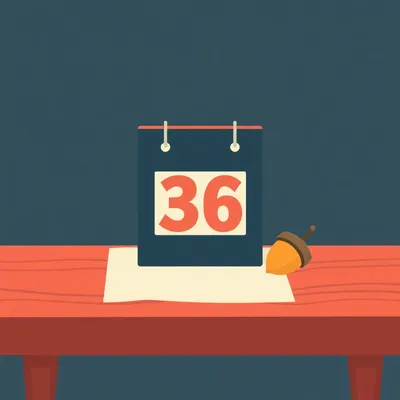
#3301: What 36 Really Means for First-Time Dads
Is 36 actually late for first-time fatherhood? The historical data tells a surprising story.

#3297: Why Do Babies Randomly Scream? The Science of Screech-and-Listen
That piercing infant scream isn't just noise — it's vocal practice, acoustic feedback, and a neurological milestone.
#3295: Why Strangers Drain Your Brain
The neuroscience behind why meeting new people exhausts you — and why it's not just in your head.
#3261: The Hidden Zoo of Drug Testing
Mice dominate headlines, but drug validation relies on dogs, pigs, ferrets, and macaques — each chosen for a specific human system.