
#psychopharmacology
77 episodes · Page 2 of 4
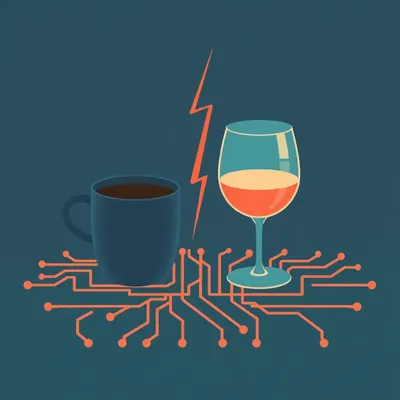
#3524: The Glutamate Trap: Hangovers, Panic, and the Brain
Why alcohol, caffeine, and poor sleep create a perfect neurochemical storm — and what it reveals about anxiety.
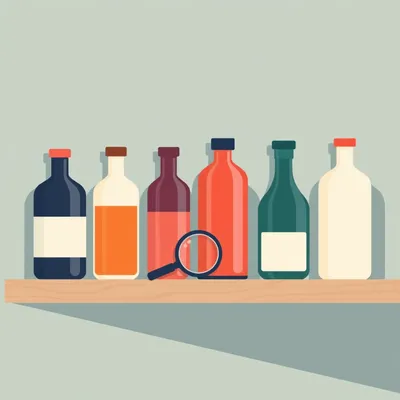
#3521: SSRIs: How Different Are They Really?
Prozac, Lexapro, and beyond — how similar are SSRIs? A deep dive into selectivity, side effects, and what comes next.
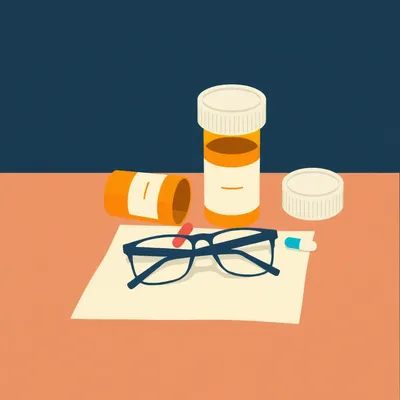
#3519: ADHD, Depression, and the Red Pill Blue Pill Moment
Can you treat ADHD first and then stop antidepressants? A deep dive into secondary depression, tapering, and long-term treatment.
#3518: What Irritability Actually Is (And Why It Feels Like Your Nerves Are At You)
Irritability isn't anger without a press release. Here's what's happening in your brain when everything feels like an intrusion.
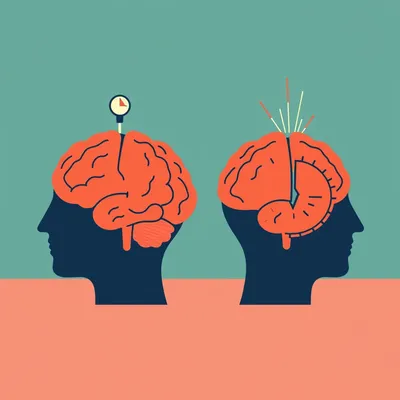
#3517: Why Most Depression Is Unipolar
Unipolar depression is 10x more common than bipolar, yet gets far less attention. Here’s what makes them biologically different.
#3516: What Actually Happens When You Say Yes to the Suicide Question
60% of depressed people experience suicidal thoughts. Here's what really happens when you tell a therapist.
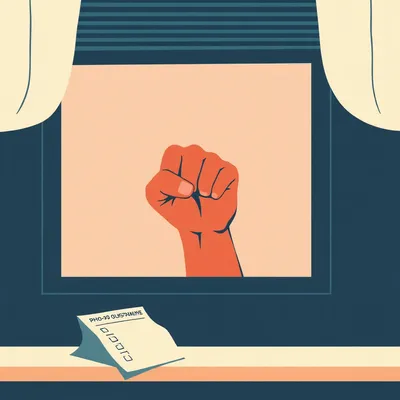
#3506: When Depression Looks Like Anger
One in three depressed patients experiences anger as a primary symptom. Why aren't we screening for it?
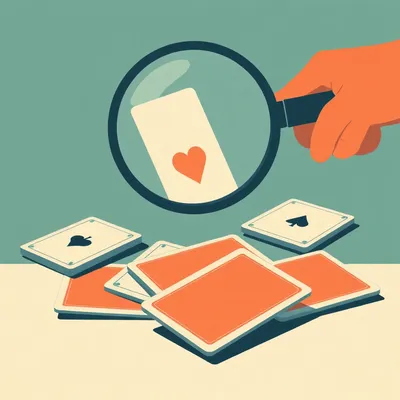
#3467: How to Actually Read People (It’s Not What You Think)
Thin-slice judgment, microexpressions, and why introverts may have an edge in spotting lies.
#3449: Can Therapy Replace Your Antidepressants?
Can psychotherapy reduce or eliminate the need for antidepressants? The evidence is more specific than you think.
#3448: How ACT Therapy Breaks Fusion with Your Thoughts
Cognitive fusion explained: when beliefs consume identity, and how defusion techniques create space between you and your thoughts.
#3441: How to Unpack Your Inherited Life Script
Practical heuristics for separating authentic desires from borrowed life paths, grounded in decades of clinical research.
#3315: NPD Unpacked: From Pinel to Treatment
How clinicians finally separated personality disorders from mood disorders—and what that means for treatment today.
#3275: Why the Same Antidepressant Hits Different People Completely Differently
Two people, same drug, opposite outcomes. The answer is in your liver enzymes and brain receptors.
#3270: How SSRIs Actually Rewire Your Brain (and What Happens When You Stop)
The brain builds an entire scaffold on antidepressants. Why does it get torn down so fast when you stop?
#3269: Why Your Mental Health Labels Might Be Wrong
Most people with mental illness have multiple diagnoses. What if the labels are the problem, not the patient?
#3255: Catatonia Beyond the Frozen Statue
Catatonia isn't just frozen stillness—it's a motor dysregulation syndrome more common in mania than schizophrenia.
#3253: Nicotine Receptors & Bupropion: How an Antidepressant Blocks Smoking
How bupropion hijacks nicotinic receptors to cut smoking reward and withdrawal — and why these receptors aren't really "nicotine" receptors.
#3248: Why Isn't Modafinil Used More for ADHD?
Modafinil boosts wakefulness and dopamine. So why does it lose to stimulants for ADHD?
#3239: Why the Brain Doesn't Fight Back Against Vyvanse
How SSRIs and Vyvanse trick the brain’s homeostatic machinery into healing instead of resisting.
#3130: How to Fight Better: The Science of Healthy Conflict
The first 3 minutes of a fight predict divorce with 90% accuracy. Here’s what to do about it.
#2965: How Your Liver Actually Processes Drugs
The five half-life rule, grapefruit juice warnings, and why some drugs don't follow the rules.
#2912: Why SSRIs Can Make You Drenched at 3 AM
SSRIs can wreck your body's thermostat. Here's the neuropharmacology behind night sweats and what you can do.
#2891: Do ADHD Drug Holidays Actually Work?
The science behind taking breaks from stimulant medication—does it reset dopamine or just disrupt treatment?
#2890: Hyperfocus Isn't a Superpower
When focus becomes a trap. The signs of overmedication, the dopamine crash, and why you can't stop.