
#structural-engineering
151 episodes · Page 4 of 7

#3556: Israeli Construction Safety: Falls, Enforcement, and the Labor Gap
Israel's construction fatality rate is 2-3x the OECD average. Falls from height cause 60% of deaths, and enforcement is sparse.
#3479: How to Anchor Shelving So It Won't Kill Anyone
Toggle bolts vs. studs vs. adhesive: what actually stops a dresser from tipping over on a toddler.
#3455: The Rectangle Treaty: Inside Euro Box Standards
Can industrial plastic storage ever be sustainable? A deep dive into the VDA 4500 standard, material trade-offs, and the rectangle treaty.

#3398: How Euroboxes Save Your International Move
Euroboxes aren't just bins — they're the atomic unit of a global logistics system that saves money and sanity.

#3355: Childproofing Eurobox Racks for Home Businesses
How to stop a toddler from pulling heavy Euroboxes off open shelving — without destroying your workflow.
#3353: How a 30-Story Tower Sounds Next Door
A stage-by-stage breakdown of high-rise construction noise, from pile driving to topping out — and what actually works to quiet it down.
#3331: Euro Boxes for Your Garage: Modular Storage That Actually Works
Ditch mismatched bins forever. A practical guide to Euro boxes, RPCs, shelving, and weight ratings for home storage.

#3328: Can You Customize a 30th-Floor Apartment?
High-rises get a bad rap. But do they actually have real advantages—and can you ever customize a unit?

#3321: How Deep Do Building Foundations Actually Go?
From garden sheds to the Burj Khalifa — what holds up our structures and why it matters.
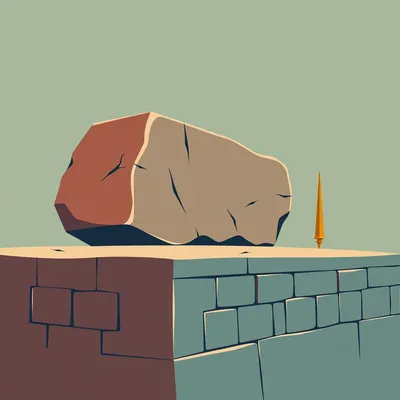
#3307: Two Temples, One Mountain: What Archaeology Reveals
Solomon's Temple was smaller than a basketball court. Herod's Second Temple had stones heavier than a jumbo jet.

#3306: What Is the Western Wall Really?
It’s not a temple wall—it’s a retaining wall. Here’s what you’re actually seeing at Judaism’s holiest site.
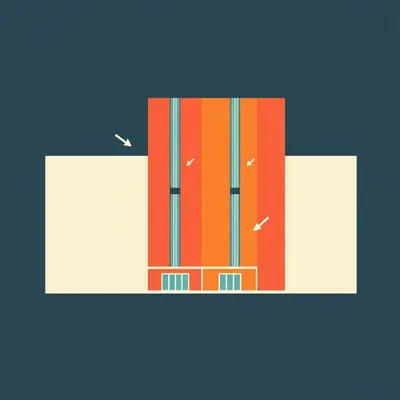
#3302: Why High-Rises Are So Expensive to Build
Stacking floors sounds cheap, but high-rises cost 60-70% more per square foot than mid-rises. Here's why.
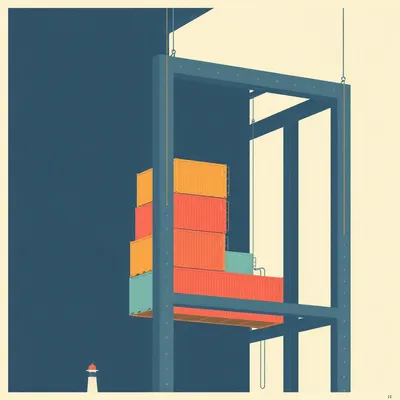
#3293: Can You Own a Cube of Air 60 Meters Up?
What if a high-rise worked like a vertical subdivision where developers build their own pods inside a shared frame?

#3292: Ghost Towers: Who Pays When a Luxury High-Rise Fails?
When luxury towers go bust in Jerusalem, the city gets stuck with the bill. Can adaptive reuse prevent the next ghost tower?
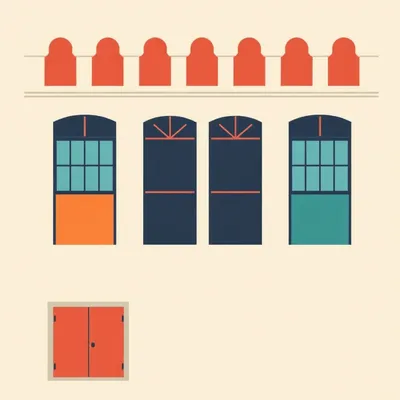
#3266: Designing a 2020s Art Deco for Jerusalem
How to build a 21st-century architectural movement with classical proportion, modern performance, and Jerusalem stone.
#3251: Can One Person Really Build a Whole House?
The romantic fantasy vs. the 3,200-hour reality of solo house construction.

#3106: How to Choose the Right Fineliner Pen
Line weight matters more than you think. A guide to fineliners for architects, sketchers, and writers.

#3101: The Hidden Craft of Custom Picture Framing
What actually happens inside a $400 frame — and why cheap frames can destroy your art in years.
#3091: Traditional Architecture's Surprising Cost Advantage
Traditional design isn't more expensive. Here's the actual data developers need to see.

#3088: Can Old Israeli Apartments Be Fixed? A Renovation Reality Check
Electrical, plumbing, and insulation upgrades in aging Israeli buildings—what's actually possible and what's just myth.

#3065: Why Orange Markers Outlast Yellow and White
Orange markers last 5-7x longer outdoors than yellow. The secret is in the crystal structure of the pigment.

#3050: Monitor Mounting: Consumer vs. Pro Rail Systems
From IKEA arms to 80/20 aluminum rails — the real tradeoffs in custom monitor layouts.

#3048: How to Read Sandpaper Like a Pro
Grit numbers, mineral types, and why your pine sandpaper clogs instantly.

#3041: The Desk That Won't Sag: Wood Species & Finishes Compared
White Oak vs Ipe vs plywood? Polyurethane vs hard wax oil? The gold standard desk surface for multi-monitor setups.