
Health & Wellness
Medical topics, mental health, and wellbeing
340 episodes · Page 7 of 15
#3375: Does Expressiveness Actually Make Us Happier?
Mediterranean hand gestures vs. Finnish silence — which culture is actually happier? The data may surprise you.
#3374: Is Your Desk Making You Dumber?
Sitting at a desk for 8+ hours isn't neutral—it might be making you less creative, more tired, and driving turnover.
#3373: What Feral Cats and Goldfish Reveal About Animal Minds
From feral cats in Jerusalem to goldfish memory myths—what do we actually know about animal inner lives?
#3369: Why Viruses Are So Hard to Treat
Bacteria have unique targets. Viruses hijack your cells. That changes everything about treatment.
#3368: Can Antibiotics Ever Beat Evolution?
Bacteria share resistance genes across species. Can we design drugs that make resistance self-defeating?
#3367: Why Colds Follow a Predictable Script
Sneezing, then aches, then a runny nose — your cold follows a script written by evolution, not the virus.
#3366: Baroque Flute at Bedtime: Live Music for Infant Sleep
Why live Baroque flute music soothes infants better than any recording — and why the medieval tunic actually helps.
#3364: What Really Separates Elite Performers
Practice hours explain only 26% of elite performance. So what actually creates world-class musicians, actors, and athletes?
#3363: Why the Teletubbies Sun-Baby Makes Infants Cry
The Teletubbies was engineered for pre-verbal brains. Here's why adult discomfort is a feature, not a bug.
#3360: Why Cuddling Gets Complicated for New Parents
A meta-analysis shows 43% less crying with regular cuddling, yet 68% of new parents feel guilty about not wanting more touch.
#3359: Can We Build a Bionic Gallbladder?
Engineers have tried for decades to replace the gallbladder. Here's what they've built so far.
#3354: Bile Reflux After Gallbladder Removal: What Works
Bile reflux after gallbladder removal affects up to 110,000 new patients yearly. No FDA-approved drug exists. Here's what helps.
#3316: How to Support a Friend Without Playing Therapist
Practical scripts and research-backed strategies for being helpful without overstepping.
#3315: NPD Unpacked: From Pinel to Treatment
How clinicians finally separated personality disorders from mood disorders—and what that means for treatment today.

#3310: The Brain Science of Conflict Avoidance
Why 42% of adults suppress disagreement—and how to rewire the response.
#3309: How to End a Friendship Without the Slow Fade
The slow fade hurts more than honesty. Research shows direct conversations end friendships cleaner.
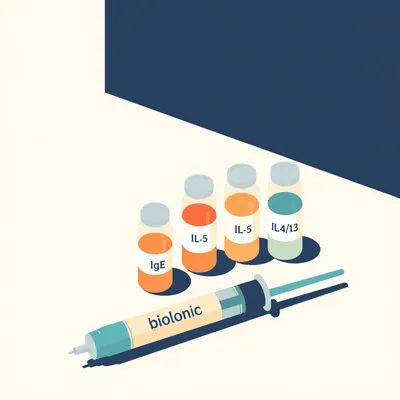
#3308: Biologics for Severe Asthma: Beyond Singulair
A guide to targeted therapies reshaping severe asthma treatment — from Xolair to Dupixent.
#3301: What 36 Really Means for First-Time Dads
Is 36 actually late for first-time fatherhood? The historical data tells a surprising story.
#3297: Why Do Babies Randomly Scream? The Science of Screech-and-Listen
That piercing infant scream isn't just noise — it's vocal practice, acoustic feedback, and a neurological milestone.
#3295: Why Strangers Drain Your Brain
The neuroscience behind why meeting new people exhausts you — and why it's not just in your head.
#3279: Frozen Desserts After Gallbladder Removal
How to get indulgence from frozen treats when your body can't handle fat.
#3275: Why the Same Antidepressant Hits Different People Completely Differently
Two people, same drug, opposite outcomes. The answer is in your liver enzymes and brain receptors.
#3270: How SSRIs Actually Rewire Your Brain (and What Happens When You Stop)
The brain builds an entire scaffold on antidepressants. Why does it get torn down so fast when you stop?
#3269: Why Your Mental Health Labels Might Be Wrong
Most people with mental illness have multiple diagnoses. What if the labels are the problem, not the patient?