
Health and Psychology
Human body and mind: medicine, mental health, neuroscience, ADHD, and everyday psychology.

#2587: Where to Draw the Line on DNS Blocking
DNS-level ad and tracker blocking compared — where each tool shines, where they fall short, and the real tradeoffs.
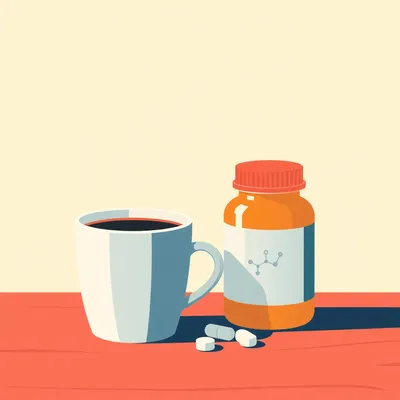
#2584: Why ADHD Meds Feel Cleaner Than Coffee
The neurochemical difference between caffeine and prescription ADHD drugs isn't about strength — it's about mechanism.
#2583: The Motility Blind Spot
Why bile moves backward after gallbladder removal—and what treatments actually address the mechanical problem.
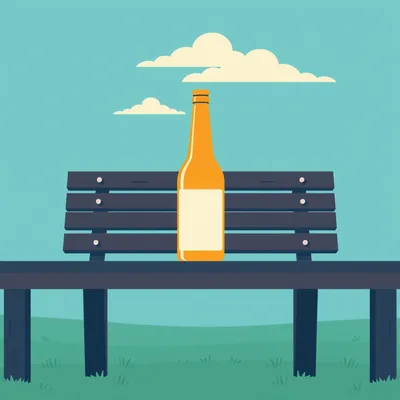
#2580: When Laws Regulate Appearances
Why do open container laws exist, and do they actually reduce antisocial behavior?
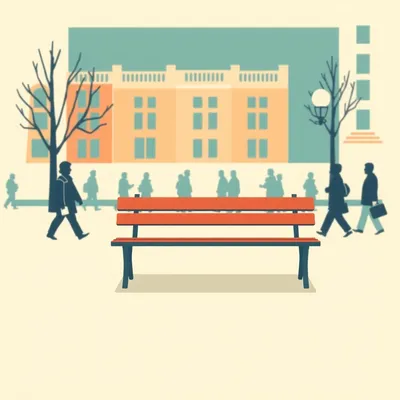
#2579: Why You Feel Watched (And Why You're Not)
Why sitting alone in public feels so awkward — and what the research says you can do about it.
#2566: Why Your RGBW Bulbs Get Dim in Color Mode
Cheap bulbs aren't the whole story — physics limits how bright color LEDs can get. Here's what to buy instead.
#2565: Why Background Conversation Hijacks Your Focus
Why some brains can't filter out background conversation—and what actually helps.
#2562: Why Do Humans Love Food That Burns?
The science of why we enjoy pain from chili peppers, from ancient domestication to modern hot sauce culture.
#2561: What BMI Actually Tells You (And What It Hides)
BMI is useful but flawed. Here's when to trust it, when to ignore it, and what to measure instead.

#2560: Can You Actually Measure Happiness?
What does "happiness" really mean — and can you scientifically measure it? A deep dive into the data, flaws, and surprises.
#2533: Can Ibogaine Really Reset Addiction?
A deep dive into ibogaine's anti-addictive potential, cardiac risks, and the push for FDA-approved analogs.
#2529: Depression Subtypes: Is It Cognitive or Biological?
Not all depression is the same. Here's what science says about melancholic, atypical, and biotype-based subtypes.
#2528: How New Drugs Actually Fix Your Body Clock
Melatonin receptor agonists vs. sedatives — the science of fixing your clock instead of knocking it out.
#2527: Do Brain Changes from Therapy or Pills Actually Last?
Do SSRI brain changes reverse after stopping? Can therapy physically rewire your brain for good? New neuroscience has answers.

#2526: How Peer Review Actually Works (and Fails)
The history of peer review, the Lancet's biggest scandals, and why arXiv is changing everything.
#2524: The Myth of the Inner Monologue
Most people don't have a constant inner monologue. Discover the five surprising ways your mind actually works.
#2513: Are Your Thoughts Lying to You?
The science of automatic thoughts, cognitive distortions, and whether you can actually learn to control your thinking for a happier life.
#2491: How Your Stomach Relaxes to Eat (And When It Breaks)
The stomach isn't passive—it actively relaxes to hold food. Here’s what happens when that reflex breaks.
#2485: How Many Floors Up Before Stairs Become a Burden?
Research shows life gets measurably worse above the 4th floor. Here's what the data says about stairs, families, and safety.
#2484: The Alcohol-Depression Paradox: A Neurochemical Bridge
Why depressants worsen depression through rebound effects, not direct action — the real mechanism explained.