
Technology
Hardware, software, networking, and development

#5378: SIP Speakers, Multicast, and the One-Way Page
How SIP one-way paging actually works — and why multicast turns 500 speakers into a single call.

#5376: Why a Zello Pager Wearable Doesn't Exist Yet
Pagers blink until acknowledged. Zello beeps until you tap. But nobody's shipped the wearable that bridges them.

#5375: Do Laptop Screen Protectors Actually Stop a Drop?
Tempered glass for laptops exists — but it's sold for scratches, not drops. Here's what actually survives a fall.
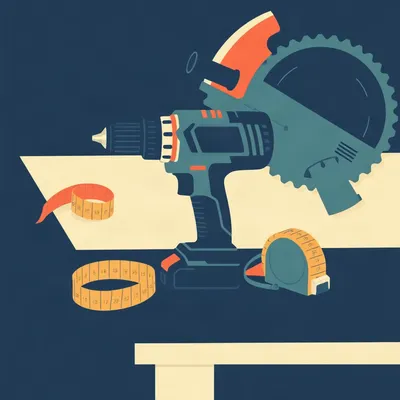
#5372: 10 Power Tools, Ranked by What to Buy First
A purchasing sequence, not a wish list: the 10 power tools a homeowner should own, in the order you should actually buy them.
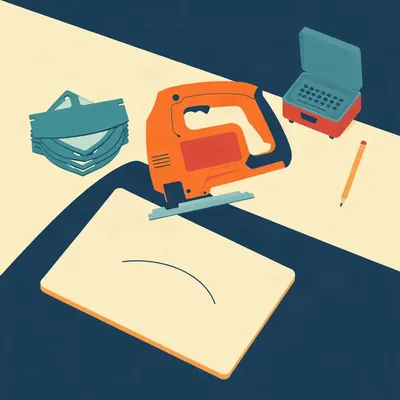
#5371: Corded vs Cordless Jigsaws: What Actually Matters
Amps and SPM are the least predictive specs on the box. Here's what actually determines whether a jigsaw cuts square.

#5365: Padded Tool Belts: Do They Actually Carry More?
Padded belts don't raise your weight ceiling — they move the load onto your hip bones. Here's what the brands actually rate.
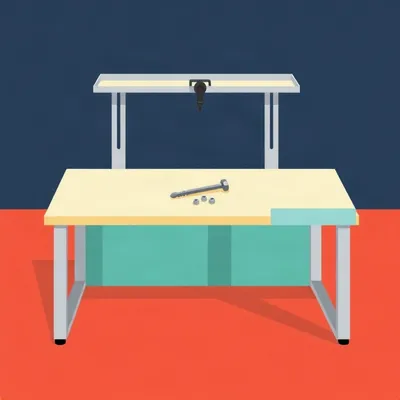
#5362: Building a Workbench Superstructure From T-Slot
T-slot, welded steel, or strut channel? How to build a vertical frame that carries monitors, shelves, and lights off your desktop.
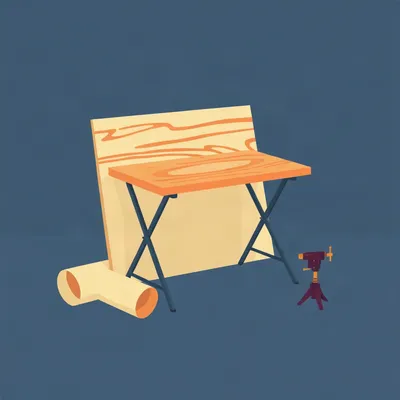
#5361: Choosing a Foldable Workbench for a Tiny Jerusalem Apartment
What actually matters when your workbench has to fold into a closet — and why plastic tables fail at the joints, not the top.

#5355: Why AI Emails Don't Sound Like You
ChatGPT's Gmail integration can now send email for you. The hard part is making it sound like you — not a committee-written average.

#5345: Forecasting for Cranes, Fires, and 15-Minute Decisions
The public five-day forecast is a loss leader. Here's what bespoke weather looks like when money and lives ride on it.

#5344: Ironworking: From Rivet Gangs to Rebar Crews
Ironworking is older than the skyscraper it built. Rivet gangs, Mohawk crews, and why Israel's cranes hide the trade.
#5339: How Auction Insiders Find the $9,000 Forklift
Government surplus, factory liquidation, and bankruptcy sales are three different animals — and the pros who profit know exactly where to look.

#5333: How Screws Conquered the World
The screw spent 2,000 years as a machine before it held anything together. Here's how it became the hardware aisle we know.

#5331: Steeplejacks, Linemen, and Tower Climbers
Three jobs that look like pure nerve — steeplejacks, helicopter linemen, tower climbers — and what they're actually doing up there.
#5330: Who Actually Works on a Live 765kV Line?
Helicopter barehand work on a 765kV line is the top few percent of the trade — here's who gets there, and what it costs.

#5329: One Box of VESA Mounts, Three Wrong Assumptions
Daniel's box of orphaned VESA mounts raises three questions — and the answers all point away from welding.

#5328: A Shabbat Radio That Can't Be Paused
A soundproof box that plays podcasts continuously — no pause, no skip, no volume. Just open the lid and listen.

#5327: Catching Duplicate Submissions Before They Burn Credits
A dropped webhook response caused a double submission. Here's how to build a screener that catches duplicates before generation runs.
#5325: Selfie Sticks vs Drone Law: The 10-Meter Limit
A camera on a 10-meter pole isn't a drone — legally. But physics, power lines, wind, and police discretion all push back.

#5323: When to Keep Old Tech for Parts (and When to Let Go)
An old Kindle in a drawer raises a question every collector faces: spare, parts donor, or e-waste?