
Page 91 of 277
#3817: Hide Your Desktop in a Closet: The Gear You Need
USB4, Thunderbolt 5, and active cables now let you stash your PC in another room. Here's how.

#3816: How to Stop AI Scripts From Falling Apart
Why long-form AI generation breaks down and how hierarchical memory fixes it.
#3815: Should You Rack-Mount Your Desktop PC?
Tower form factor fighting you? We explore when and how to rack-mount a desktop for better serviceability and cooling.

#3814: The Day We Lost Our Minds: What Temperature Does to an AI
A two-host autopsy of the day the podcast's AI hosts briefly lost coherence due to excessive sampling temperature, and what it reveals about how language models actually work.

#3813: What Actually Predicts a Prodigy at 12 Months?
Early talking, reading, and memory don't predict genius. Here's what the data actually shows.

#3812: The Hidden Cost of Unstable Housing
How constant moving affects your health, finances, and family — and what ancient nomads can teach us about rootlessness.

#3811: Who Builds the Last Ten Percent of the Internet?
Dark fiber, permafrost trenching, and the brutal economics of connecting the far north.
#3810: What's Inside Those Fenced Electrical Compounds?
Distribution substations step down high voltage for neighborhoods. Here's how they work and why we need them.

#3809: How 2.4 Million Miles of Gas Pipe Actually Works
The invisible geography under our feet: how gas moves from wellhead to kitchen burner.

#3808: Tracing a Packet: 3 Home Switches vs the Internet Backbone
Three home switches add 36 microseconds. Your cable modem adds 5-15 milliseconds. Let's follow a packet from phone to Google News.
#3807: Why Cloud Servers Cluster in Only a Dozen Cities
Submarine cables, carrier hotels, and network effects concentrate cloud infrastructure in just 15-20 metro areas worldwide.
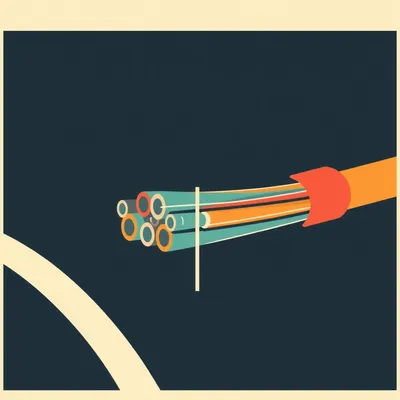
#3806: Why 88% of Fiber Optic Cable Sits Dark
Individual glass strands, thinner than hair, stretching miles with no light. Why does most installed fiber sit unused?

#3805: How to Read a Poll Like a Pro
A deep dive into polling mechanics, margins of error, and why 3,000 respondents can represent 10 million people.

#3804: Stateful Firewalls vs. Modern Threats
Is a basic firewall still enough in 2026? We break down what each security layer actually catches—and misses.

#3803: Can You Touch Your Cloud?
Boutique cloud operators let you visit your rack. Here’s how dedicated hosting works in 2026.
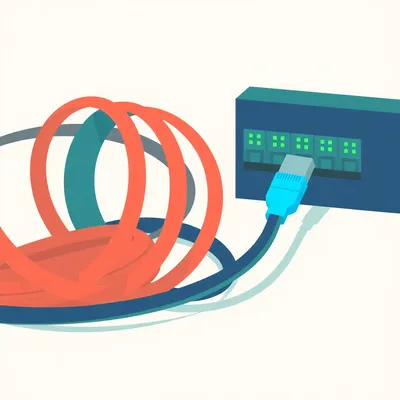
#3802: What's Really in That Private Network Cable?
Virtual cables, MPLS circuits, and dark fiber — how cloud providers connect data centers behind the scenes.

#3801: Your Apartment in 3D: The Open-Source Stack That Works
Blueprint to VR walkthrough using free tools. No CAD degree required.

#3800: How AI Hallucinates Better Pixels: Upscaling Explained
The difference between interpolation and super-resolution, and why every upscaled image is a collaboration with training data.
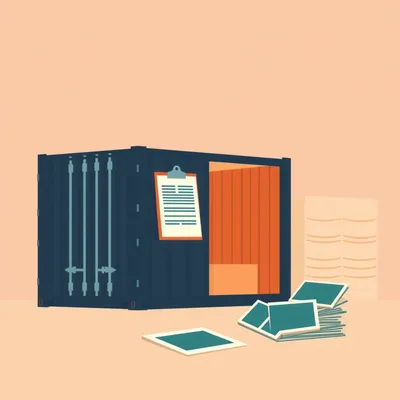
#3799: Why Printers Demand PDFs (And PNGs Fail)
PDFs are shipping containers for print. PNGs are loose cargo. Here's what actually matters for large-format output.
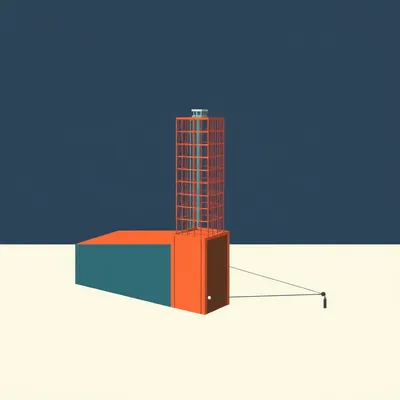
#3798: How High Can We Really Build?
Six questions on high-rise engineering, from steel breakthroughs to whether cities sink under their own weight.