
Manufacturing
126 episodes · Page 5 of 6
#3009: How IKEA Decides Where Everything Goes in Its Warehouses
Inside the science of slotting optimization that determines where your BILLY bookcase lives in IKEA's massive warehouses.

#2975: How Cranes Lift Themselves 40 Stories
From 4,000-year-old shadufs to self-climbing tower cranes — the physics and economics behind construction's most visible machine.

#2974: How Safety Vests Actually Reflect Light
Glass beads vs. microprisms, ANSI classes, and the physics of staying visible at night.
#2972: How Pallets Make Global Trade Work
The humble pallet is the unsung hero of global trade. Here’s how consolidation works from factory floor to container ship.

#2970: The $300,000 Paint Job: Inside Airliner Coating Science
Why painting a 737 costs more than a house and involves self-healing chemicals, thermal stress math, and 1,100 square meters of precision.

#2947: Monocles, Pocket Watches & the Science of Obsolete Tech
Why people still train their facial muscles to wear monocles in 2026 — and the precision engineering inside modern pocket watches.

#2901: Can Ink Outlast Stone? The 5,000-Year Quest for Permanence
Egyptian lampblack lasts 4,000 years. Iron gall ink eats through paper. Which marking tech actually wins?

#2802: The Tea Standard and 9 Other Weird ISO Rules
Ten hyper-specific international standards that make you question what humanity does with its collective time.

#2652: The Mulberry Bubble That Built a University
The silk industry that built UConn, the cows on Horsebarn Hill, and one mysterious firing at the Dairy Bar.
#2553: The Hidden Elegance of the Zipper
A deep dive into the Y-shaped tunnel, the bump-and-hollow geometry, and the silent history of the zip.
#2295: Why Taiwan's Automation Strategy Leaves the West Behind
Asus has achieved 85% automation in motherboard production—how did they outpace Western competitors?
#2268: The Universal Power Cord's Quiet Masterpiece
A deep dive into the humble IEC power cable—the C13 and C14 connectors. We explore the history, physics, and surprising engineering that makes this...
#2106: The Hidden Language of Circuit Boards
AI is hoarding all the chips, and your smart toaster is stuck in line. Here’s why the hardware supply chain is breaking down.
#2079: The Geopolitics of Grey Boxes
Why factories still run on ladder logic, VxWorks, and rugged grey boxes instead of cloud servers.

#1902: How a Single Blood Vial Becomes Hundreds of Results
A single vial of blood can yield hundreds of results. Here’s the high-tech industrial process that makes it possible.

#1883: From Juicero to Yik Yak: Startup Graveyard
We revisit 10 failed startups, from a $700 Wi-Fi juicer to an anonymous social app that turned toxic.
#1868: The $100 Pen vs. The Disposable Pen
Why a $100 pen is cheaper than a $0.50 pen. We break down the physics of pressurized ink and machined metal.
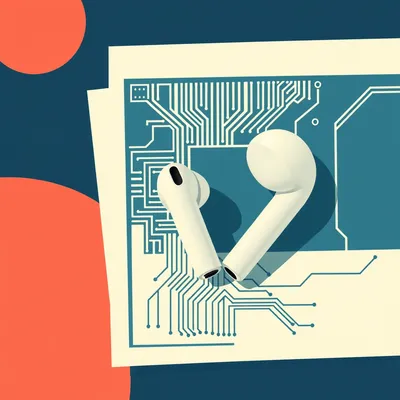
#1363: How Shenzhen Clones Your Tech Before the Keynote Ends
Discover the "AliExpress Paradox" where $12 earbuds rival $200 flagships, and the high-speed ecosystem turning global IP law on its head.

#1062: Why Silicon Won the Chip Wars
Why did silicon win the chip wars? Explore the "modern magic" that turns ordinary sand into the world's most powerful processors.

#1006: When a Plastic Box Becomes a Life-Support System
Discover the material science and engineering that turns a plastic box into a high-tech shield for your most expensive equipment.

#807: Why Your Plastic Bins Die and Your Boots Don't
Tired of things breaking? Discover the "Buy It For Life" philosophy and how to find products actually built to last a lifetime.
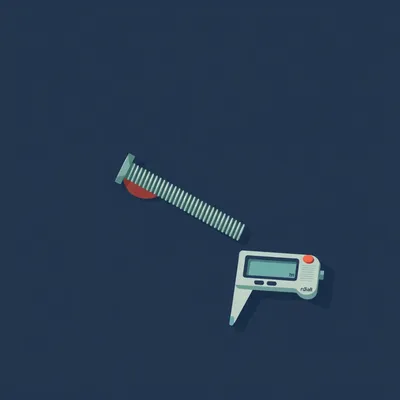
#768: The Missing Nail: When Tiny Parts Stop Big Projects
From tiny laptop screws to industrial rivnuts, discover why the smallest components are often the biggest hurdles in any DIY project.

#720: Why Your Ears Prefer Imperfect Plastic to Perfect Pixels
Why do we still buy plastic discs in an age of neural-link streaming? Explore the science of analog warmth and the "ritual" of the record.
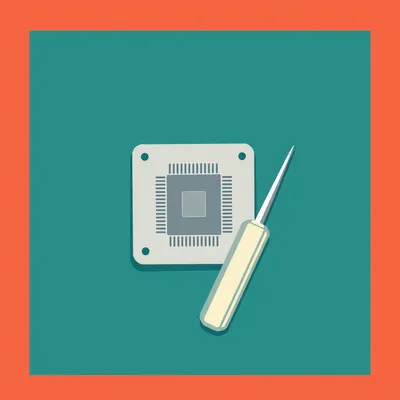
#707: The Surprising Economics of Hand-Built PCs
Explore the high-stakes world of PC assembly, from manual "microsurgery" to the high-speed robots building the world’s hardware.