
#material-science
160 episodes
#5575: Why 1930s Riveters Carried Bigger Pouches Than You Do
A catcher's mitt made of metal, a red-hot rivet you can't look at, and the 90-year-old tool list that never changed.
#5516: Wall Anchors: Why Your Holes Keep Failing
Nylon anchors don't fill gaps — they multiply grip. Here's what actually works when your hole is compromised.
#5490: Why Screen Protectors Bubble Every Time
One dust particle becomes a permanent tent pole under your screen protector. Here's the physics behind the bubbles.
#5360: Ful Medames: Slow Cooker vs Pressure Cooker
Dried fava beans, a slow cooker, and one overnight soak — the idiot-proof path to Egyptian street-style ful medames.
#5333: How Screws Conquered the World
The screw spent 2,000 years as a machine before it held anything together. Here's how it became the hardware aisle we know.

#5325: Selfie Sticks vs Drone Law: The 10-Meter Limit
A camera on a 10-meter pole isn't a drone — legally. But physics, power lines, wind, and police discretion all push back.
#5322: How New Is the Air You're Breathing?
A sealed air pillow from AliExpress leads to a genuinely strange question: how old are the molecules you're breathing right now?
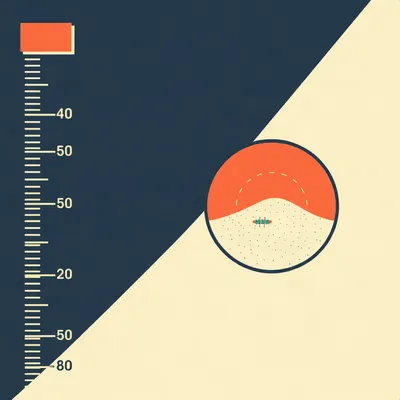
#5321: From Millimeters to Atoms: The Units of Small
A millimeter is the last unit you can feel. Below it, the trades borrow microns, mils, and angstroms — and the atom is a different regime entirely.
#5287: Does an Engraver's Practice Material Kit Exist?
Hand engravers have practice plates. Designers have plastic sample sets. Nobody's combined them — here's how to build your own reference library.

#5224: When Hands Learned to Cut: Engraving and the First Metals
Half-million-year-old shell grooves, 9,000-year-old copper beads, and the feedback loop that turned cutting lines into an entire civilization.
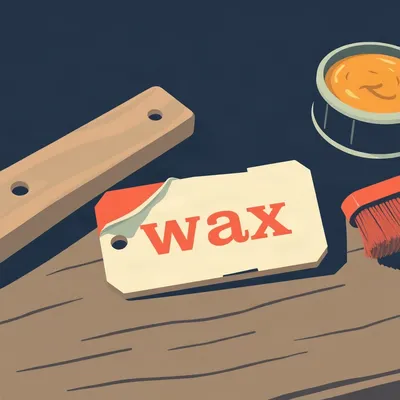
#5215: Sacrificial Coatings for Permanent Marking
Wax, silicone, spar varnish, or two-part epoxy? How to pick a protective topcoat that fails so your engraved mark doesn't.
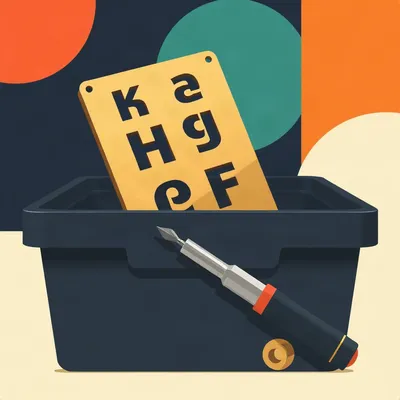
#5211: Brass vs Stainless: Marking HDPE Boxes That Last
Engraving HDPE storage boxes means fighting heat, not cutting. Here's how stencil material, carbide bits, and groove depth all connect.

#5194: Designing Buildings to Age Beautifully
Copper turns green, lime plaster hardens, concrete just stains. What if architects designed for year 100 instead of day one?

#5191: Marble in the Kitchen: Patina or Damage?
Why Israeli stone suppliers say no to marble countertops and American designers say yes — and what the chemistry actually says.

#5131: Drill Bits Decoded: Wood, Steel & Tile
Why the right drill bit matters more than the drill itself — and how each material shapes its perfect tool.
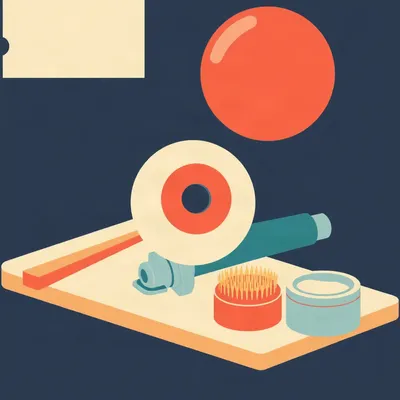
#5124: Sharpening, Cleaning & Polishing with a Rotary Tool
Can a Dremel really sharpen a knife? What about drill bits? We break down which accessories work and which are a waste.
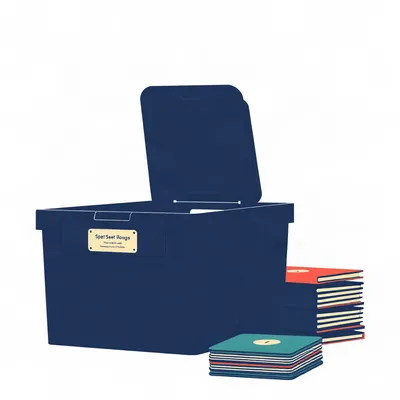
#5111: The Quiet Appeal of Industrial-Grade Stuff
Why do some people get genuinely excited about a heavy-duty bin? The strange, satisfying world of spec-driven purchasing.
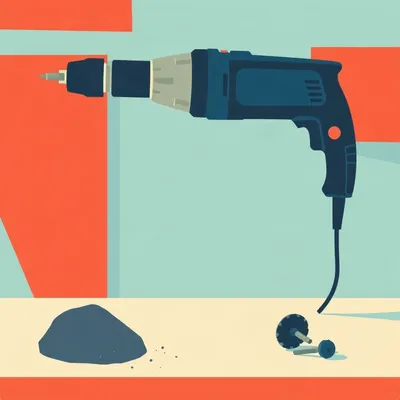
#5101: Drill Bits and Concrete: What Actually Worked
A 12V drill, a $20 bit set, and a reinforced safe room wall — what actually happened, and why the first bit failed.
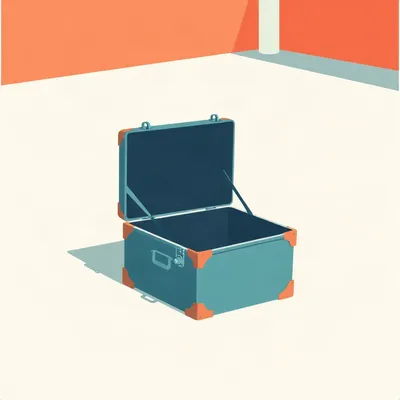
#5093: What Actually Makes a Toolbox Last?
Plastic vs. metal vs. modular cases — what actually survives drops, sun, and rain?

#5072: Tiny Raised Numbers: Why Embossing Is a Mold, Not a Mark
Why those tiny raised numbers on plastic parts are molded in, not stamped on — and what that means for aftermarket marking.
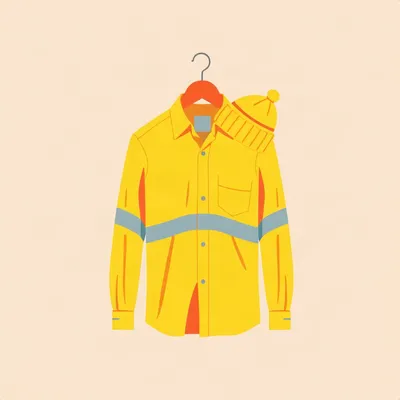
#5062: High-Vis Beyond the Vest: A Safety Gear Countdown
Fluorescent formalwear, swim caps, and dog vests — exploring the regulated world of high-visibility gear and why it's hilarious in the wrong context.
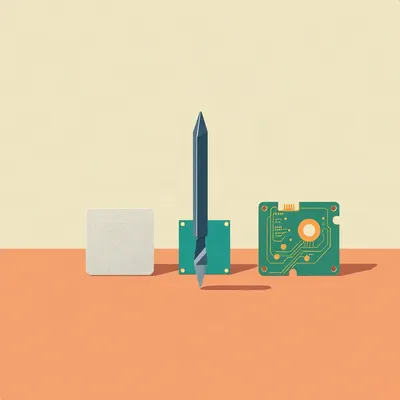
#5060: Engraving Bits Decoded: Geometry, Grade, and Material Match
Cone vs. ball-nose vs. pointed, C2 vs. C4, single vs. multi-flute — what actually matters when engraving with a handheld rotary tool.
#5052: Drill Bits Explained: Why Concrete Bits Fail on Plastic
Why a concrete bit ruins acrylic, what HSS actually means, and whether drill bit sharpeners are worth it.
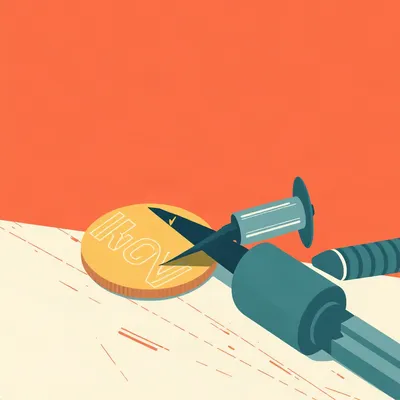
#5051: Engraving's Three Worlds: Tools, Communities, and Craft
Rotary, hand, and laser engraving share a name but little else. We map the tools, communities, and skills behind each.