
#supply-chain
230 episodes
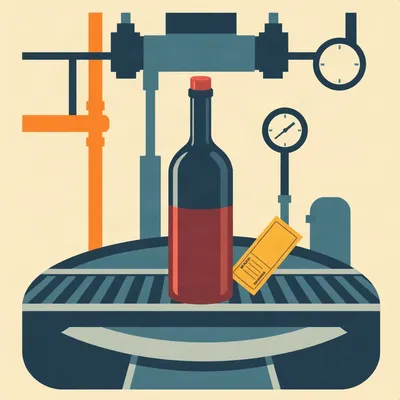
#5565: Inside the Factory: Why Plant Tours Are Addictive
Boeing, Ford, and Shenzhen's Future Factory: why watching a bottling line is mesmerizing, and where to find real golden tickets.
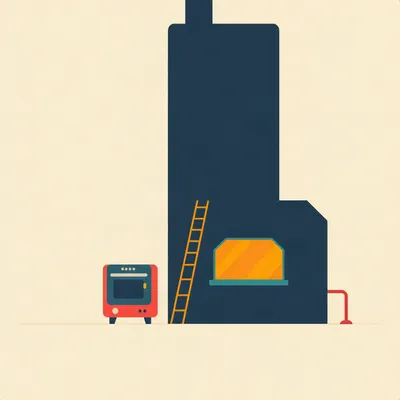
#5562: What "Heavy Industry" Actually Means
It's not about weight — it's about capital intensity and cycles. Why the heavy/light split is younger than the factories it describes.

#5538: One Pot, 120 Curries: How BIR Kitchens Work
A single pot of onion base gravy is why a 120-item curry menu reaches your table in ten minutes — and why it might work at home too.
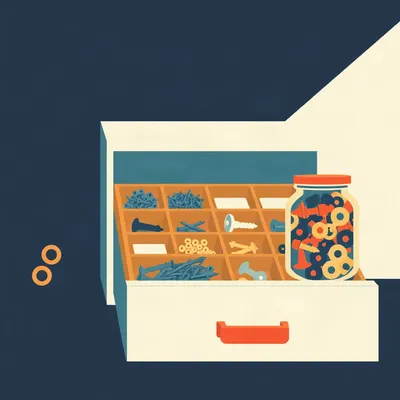
#5529: 15 Forgotten Hardware Parts Your DIY Kit Needs
A 64-drawer parts bin reveals why you keep buying the same screws twice — and the 15 fasteners worth actually stocking.
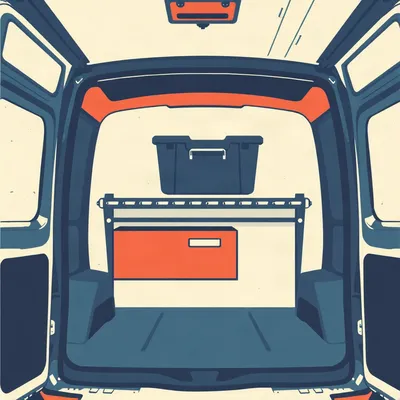
#5519: Mobile Warehouse: Racking That Travels With the Tech
What happens when your inventory tier gets wheels — and how Milwaukee and Bott keep drawers shut at 50 km/h.
#5373: Why the Same Face Cream Costs 2.5x More in Israel
Same La Roche-Posay cream: $17 on Amazon, 160 shekels in Jerusalem. Here's where the markup actually happens.
#5339: How Auction Insiders Find the $9,000 Forklift
Government surplus, factory liquidation, and bankruptcy sales are three different animals — and the pros who profit know exactly where to look.

#5275: Reading a Supplier in 20 Minutes
How does a two-person firm vet a supplier without a procurement team? Walk in, watch the workshop, read the room.

#5274: A Broken Dremel and the Hidden World of Parts Distribution
A dead rotary tool leads down two rabbit holes: warranty economics and how components actually move around the world.

#5217: Inside the Hidden Fleet of Medical Couriers and Police Escorts
A hidden network moves organs, blood, and critical patients through cities at speeds the roads weren't built for.

#5207: Hard Drives Are Having Their Biggest Boom in a Decade
Everyone assumes flash killed the spinning disk. Seagate's 52% margins and sold-out capacity through 2028 say otherwise.

#5206: Why IKEA Has No Replacement-Parts API
IKEA's catalog is community reverse-engineering. GS1 solved replacement semantics years ago. Neither reaches a purchasing manager's database.
#5190: How Iranian Rugs Reach Israeli Shelves
Tunisian olive oil with French labels, Iranian rugs in Jerusalem shops — how goods actually move around sanctions and enemy-state bans.
#5147: Tents vs Container Cities: Rethinking Disaster Housing
Why do disasters still end in tent cities when foldable container homes and container cities already exist?

#5146: Who Decides What Food Aid Gets Sent?
There's no master list of survival foods — just a performance standard. And "acceptable" is written into it.

#5137: Why Your Package Stalls at "Linehaul Office
Why do packages fly across the ocean then sit for days? It's the last-mile logistics bottleneck — and it's all about consolidation.
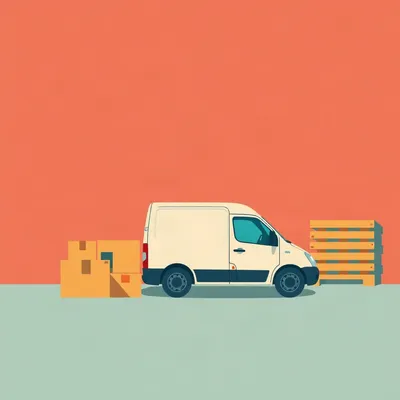
#5130: Why Small Business Deliveries Come One by One
Daniel wants one weekly delivery instead of dozens of trips. Here's why that service doesn't exist — and what does.
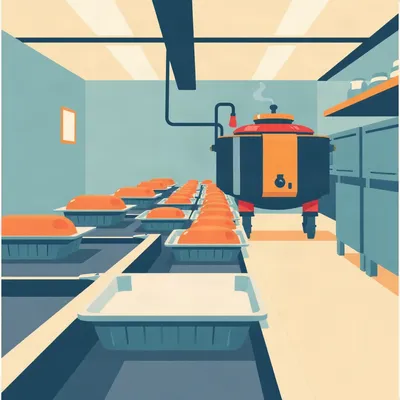
#5095: Airline Food Factories: Inside the 24-Hour Cold Chain
Giant plants, 800-liter kettles, and recipe engineers — how 50,000 meals a day get from factory floor to 35,000 feet.
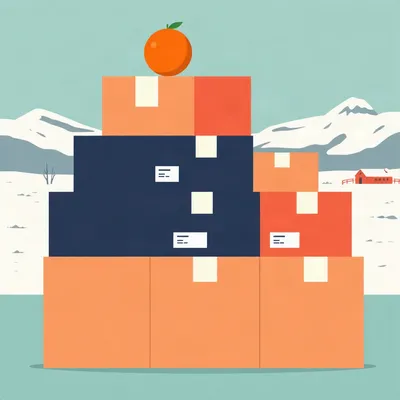
#5064: What a Polar Station Stocks for a Year of Isolation
The hidden logistics of keeping isolated crews fed, healthy, and sane for months without resupply.
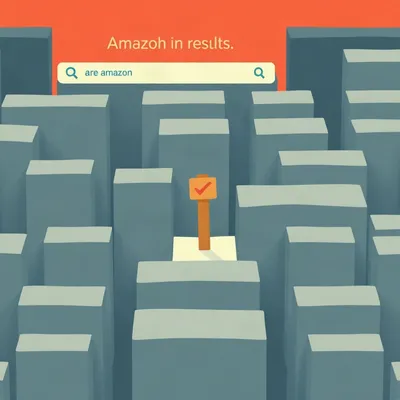
#5063: The Search Arbitrage Trap: Amazon's Pop-Up Brands
Why do fake "quality" brands flood Amazon search results — and why won't the platform build a filter to stop them?

#4932: How to Buy One Pegboard in Israel
Finding a single custom-sized pegboard in Israel means navigating a B2B supply chain that doesn't want to sell you one.
#4923: How the Everything Menu Actually Works
How a small kitchen with 3 cooks pulls off 150 dishes across 4 cuisines — the menu is a marketing document.
#4912: How Airlines Stock 80,000 Parts for a Single Fleet
Inside the staggering scale of aircraft parts logistics — from 450,000 part numbers to 12-hour global delivery.
#4881: How Your Bag Actually Travels 22 Miles Through the Airport
99.24% of bags arrive safely. But 33 million still go astray each year. Here's how the system actually works.