
#material-science
160 episodes · Page 3 of 7
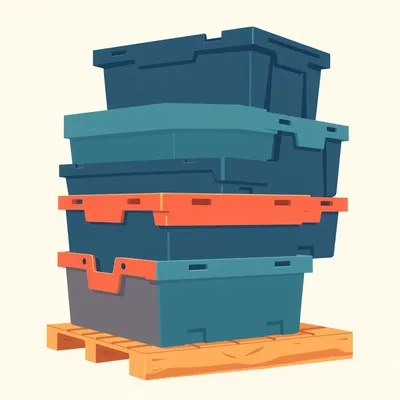
#4506: The Forty-Year Storage Bin
Industrial HDPE containers built for decades of reuse, and the real environmental math behind plastic vs. metal.
#4440: Before Denim: The Terrible Trousers That Rivets Killed
Before 1873, workers wore trousers that rotted, unraveled, or sandpapered their legs. Then a Nevada tailor fixed it with a copper rivet.
#4439: What Makes a Leather Belt Actually Last
Full-grain vs bonded, rivets vs Chicago screws, and why most "genuine leather" belts fail within a year.
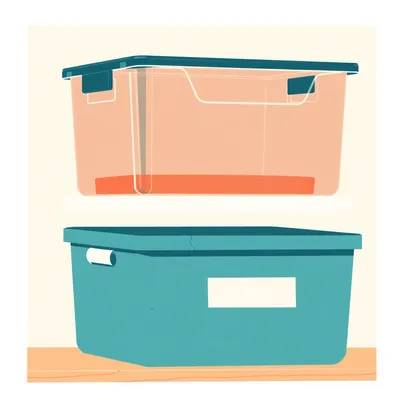
#4430: Why Your IKEA Bins Keep Breaking (And What to Use Instead)
Industrial storage is cheaper, tougher, and modular. So why isn't everyone using it?
#4422: The $250 Top Hat: Buying Your First Serious Victorian Headdress
From silk plush to beaver felt, a practical guide to buying your first real top hat without embarrassing yourself.

#4364: The Physics of Garbage Chutes and Reusable Liners
Why most reusable bin liner alternatives fail against the physics of a 20-floor garbage chute drop.
#4335: The Tape Drawer Is a Graveyard — What to Actually Own
Painter's tape, gaffer vs duct, VHB, Kapton, PTFE — which tapes to own and why cheap costs more.
#4334: 21 Workshop Chemicals: What Actually Works
Penetrating oils, contact cleaners, and the three solvents hiding in different cans. What to keep and what to toss.
#4333: Sealants vs Fillers: What Actually Works
Why your bathroom caulk peels and how to fix it with the right product for every gap.
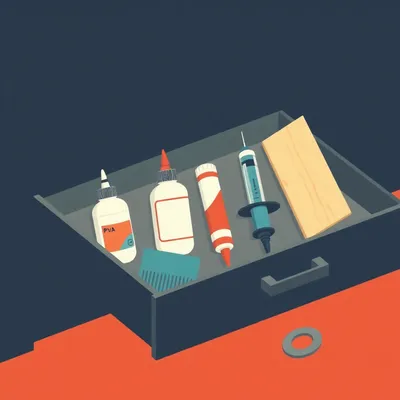
#4332: Why Your Glue Keeps Failing — Adhesives Decoded
One glue to rule them all? Nope. Here's why your joints fail and exactly which adhesive to use.
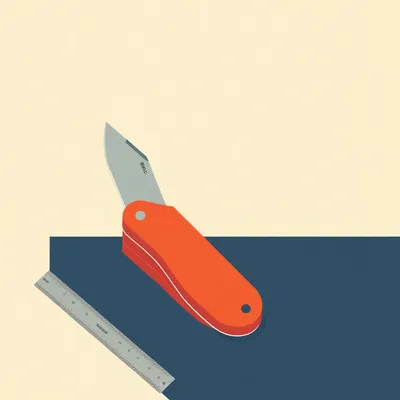
#4331: Cutting Consumables: Blades, Safety & Storage
Every replaceable blade for DIY, from utility knives to oscillating multitools — what to stock, how to stay safe.
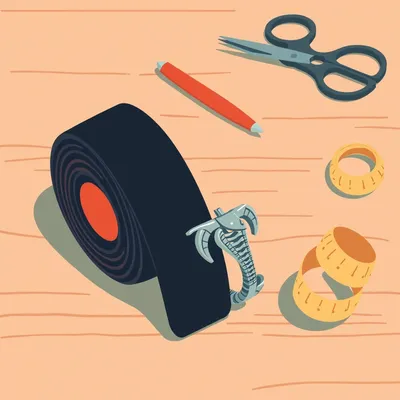
#4292: How a Belt Changed One Man’s Shopping Philosophy
One belt, a gear nerd community, and a whole new way to buy things that actually last.
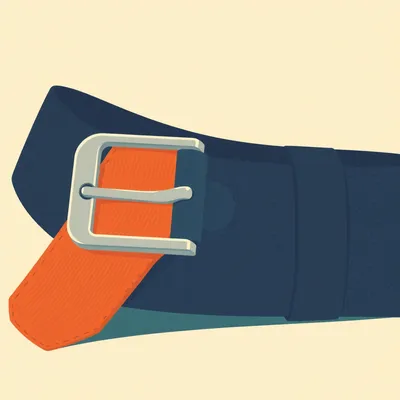
#4280: Work Pants That Survive Real Abuse
Which workwear brands actually survive dryer abuse, heavy belts, and real job site wear?
#4207: Steel Toe Safety Ratings Explained
Steel toe add-ons aren't rated for real protection. Here's what the ASTM ratings actually mean.
#4102: Can Pine Furniture Survive Outdoors?
Why coating pine for outdoor use often makes things worse — and what actually works.
#3996: Scissors vs. Tool Belt: The Puncture & Cut Showdown
Why your tool belt might not stop scissors — and how to actually read those safety specs.

#3991: Can You Buy Truly Unbreakable Dinnerware?
Corelle, melamine, or stainless steel? Which material actually survives a move without shattering?

#3985: How Your Floor Stays Up: The Hidden Skeleton Inside Every Building
The invisible chain that carries every pound from your apartment to the bedrock.
#3978: What's Actually Under the Road You Drive On
A highway looks simple, but it's a precision-layered structure engineered to last 30 years under millions of truck loads.

#3975: Reading Concrete Cracks: What Your Building Is Telling You
Most cracks aren't emergencies. Here's how to tell which ones are — and why fixing them late costs 5x more.
#3958: Cracking the Code on Drop-Resistant Plastic
Why your plastic parts arrive shattered — and how to specify them so they don't.

#3955: The Hidden World of Highway Signs
What goes into making a road sign? Aluminum, reflective sheeting, and a global treaty most drivers have never heard of.

#3954: The Surprising Chemistry of Road Paint
Road markings are optical devices engineered to survive 10,000 trucks a day. Here's how they actually work.
#3951: Can You Trust That Used Plastic Container?
How to avoid bringing home a chemical-soaked container when buying second-hand industrial totes.