
#material-science
160 episodes · Page 4 of 7

#3949: Luggage Carts to Airport Dollies: Three Tiers of Moving Equipment
How hotel bell carts, industrial hand trucks, and airport baggage dollies reveal three completely different design philosophies.

#3942: The Rice Grain Journey: Baby Mess Meets Cultural Wisdom
Why rice ends up in your bed 3 days after dinner — and what centuries-old cultures already know about stopping it.

#3898: The Box That Warps: Moving vs Storage Physics
Why your Eurobox warps under a ratchet strap — and why cardboard doesn't.

#3887: The Science Behind a Boring 25-Story Building
How tuned mass dampers, self-healing concrete, and vortex shedding make tall buildings feel boringly ordinary.

#3868: Why Your Super Glue Fails (And How a Dremel Fixes It)
A rotary tool isn't just for engraving. Discover how surface prep turns failed glue joints into permanent fixes.
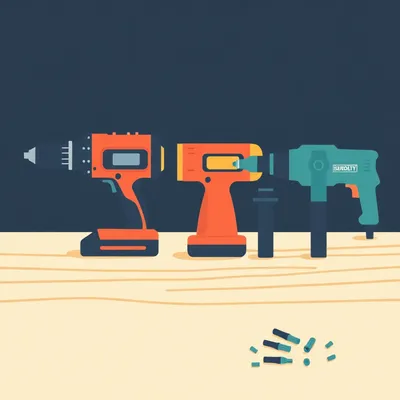
#3867: Drill, Impact Driver, or Hammer Drill? The Real Difference
Most people buy the wrong drill. Here's how to match the tool, bit, and material so you don't ruin your project.

#3866: What's Actually Inside Your Plastic Storage Bin?
Two bins can both say "polypropylene" — one lasts two years, the other two decades. Here's why.
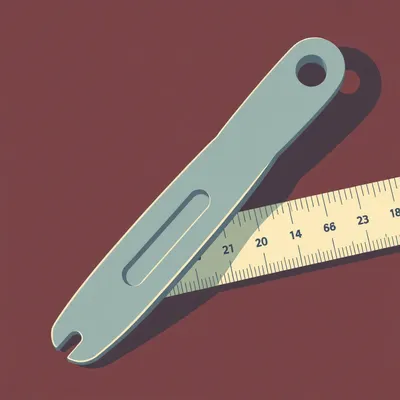
#3865: The Spudger Problem: Thin vs Strong
Why pry tools bend and what materials science says about the perfect spudger.

#3864: How to ID Mystery Metal Before You Drill
A practical workflow for identifying unknown metals before you engrave, drill, or grind them at home.
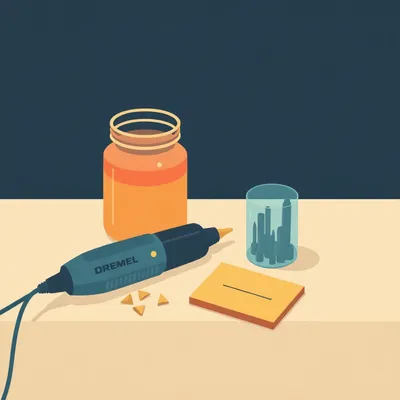
#3863: Mohs Scale to Dremel Bits: What to Buy First
From Friedrich Mohs to your Dremel: what hardness means for engraving wood, metal, glass, and stone.

#3798: How High Can We Really Build?
Six questions on high-rise engineering, from steel breakthroughs to whether cities sink under their own weight.

#3783: The Ice Cream Algorithm: How Ben & Jerry's Engineers Flavor
Inside the melt rate index, cocoa butter barriers, and supply chain decisions shaping Ben & Jerry's 2026 lineup.

#3685: Ruling Pens, Grease Pencils, and the Case for Better Old Tech
Why a 400-year-old drafting tool outperforms modern alternatives, and how to spot genuinely superior antiques.
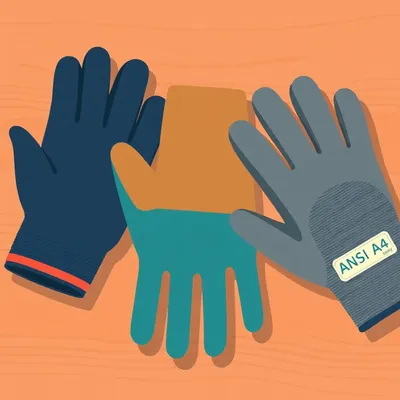
#3655: Three Gloves You Actually Need for Gardening and Moving
Nitrile-dipped nylon, goatskin leather, cut-resistant HPPE — the right three pairs and how to care for them so they last.

#3633: How Elite Curlers Train to Sweep Like Athletes
Inside the biomechanics, training, and science of elite curling sweeping — where brooms steer physics.
#3626: Baby Mouthing Safety: What's Safe to Chew?
A materials chemist's guide to what babies can safely mouth — from plastics to metals to wood.
#3603: How to Salvage Construction Dumpster Lumber Safely
Know your lumber, your rights, and your timing before you grab that "free" two-by-four.

#3589: Why a Black Plastic Pallet Beats Wood for Outdoor Storage
Wood pallets rot outdoors. Steel is overkill. The best option for patio storage is a black HDPE plastic pallet with UV stabilizers.
#3533: The Only Ratchet Strap You'll Ever Need
How to buy a one-strap-for-life: WLL ratings, forged hardware, and why the hardware store is the last place to look.

#3468: The Hidden Engine Inside Your Pen
Why a $5 refill transforms a $100 pen — and the four refill standards you need to know.
#3456: How to Spot Clothes That Actually Last
Fabric weight, fiber length, and stitching density — the three signs a garment is built to survive.
#3455: The Rectangle Treaty: Inside Euro Box Standards
Can industrial plastic storage ever be sustainable? A deep dive into the VDA 4500 standard, material trade-offs, and the rectangle treaty.
#3333: How to Read a Plastic Bin Spec Sheet
Resin type, additives, and processing determine if your storage bin lasts 3 years or 30.
#3332: How to Find Plastic Storage That Won't Disintegrate in the Sun
Why consumer "outdoor" plastic bins fail in months, and how to buy the industrial-grade ones that actually last.