
#structural-engineering
151 episodes · Page 2 of 7

#4491: ALC vs Eurobox: The Container Family That Actually Nests
Tapered walls, integral lids, and a 10x difference in empty storage volume — the ALC family explained.
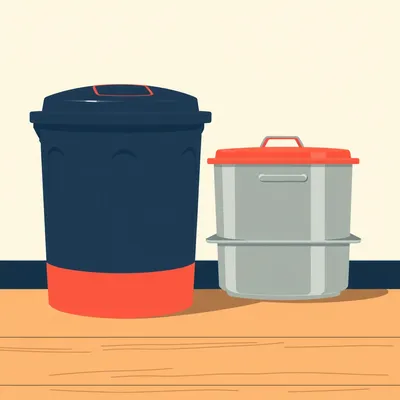
#4486: Industrial Household Hacks: Euroboxes, GN Pans & Brute Bins
Save money and gain durability by replacing consumer goods with industrial standards. Euroboxes, GN pans, and more.
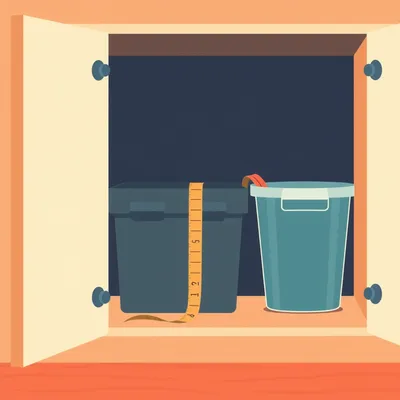
#4432: Who Designs Your Home Storage Like a Warehouse?
Why your pantry hurts to use, and the hidden expert who could fix it.
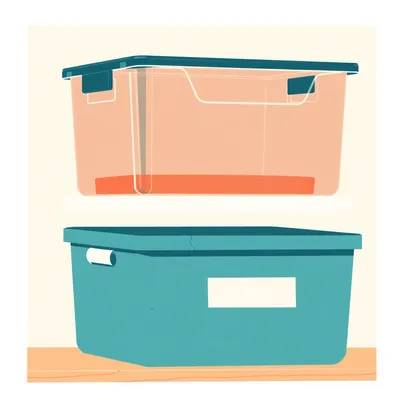
#4430: Why Your IKEA Bins Keep Breaking (And What to Use Instead)
Industrial storage is cheaper, tougher, and modular. So why isn't everyone using it?
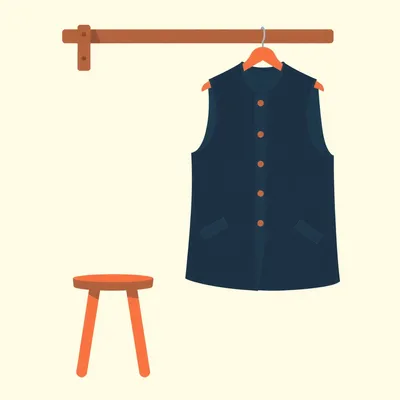
#4421: The Doublet Changed My Posture
Which pre-industrial garments actually change how you move and how others treat you? The doublet wins.

#4330: Drilling Right: Bits, Concrete & Israeli DIY
Which drill bits to stock, duplicate, and avoid for Israeli concrete, tile, and metal — with specific quantities.

#4328: Concrete Anchors & Post-Tensioning Risks in Israel
When hanging heavy loads on reinforced concrete, wrong anchors can cause structural failure. Here's what to stock vs. leave to pros.
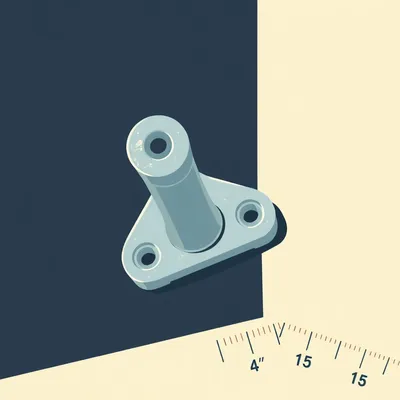
#4327: Tier 2 Hardware: What You Need When Tier 1 Fails
Cavity anchors, blind rivets, threaded inserts, and more — the fasteners that save you from 10 PM hardware store trips.

#4326: Your DIY Survival Kit: 30 Items for Israeli Walls
The exact 20-30 hardware items that stop 80% of household projects from stalling — tailored for Israel's four wall substrates.

#4322: Storrs Secrets: Turbines, Duckpin, and Puppets
A working 1860s turbine, duckpin bowling’s impossible perfect game, and a world-class puppet museum in one small town.

#4288: Pigeons vs. Balconies: What Actually Works?
Why pigeons love your balcony and how to stop them — without fake owls or ultrasonic gadgets.
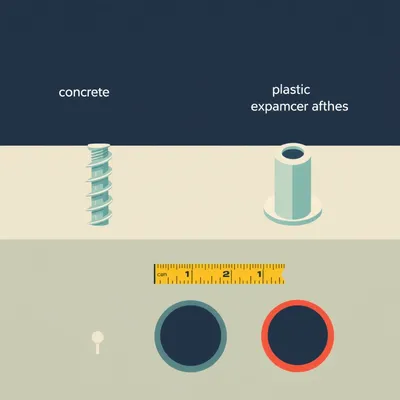
#4271: Concrete Screws vs Plastic Anchors: Best for Renters
Concrete screws hold 2-3x more weight than plastic anchors and leave smaller holes. Here's what Israeli renters need to know.

#4270: The Anchor Go Bag: A System for Hanging Anything
Stop googling anchor sizes. A decision tree for drywall, concrete, and everything in between.
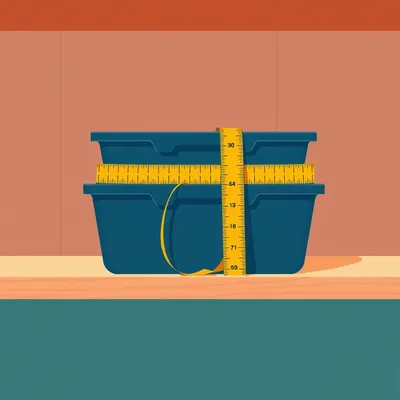
#4244: Euroboxes in America: Can Your Storage Cross the Atlantic?
Euroboxes don't fit US shelving, pallets, or totes. Here's what happens when your modular system crosses the Atlantic.

#4236: What Actually Changes at 300 and 600 Meters
The three engineering thresholds that separate ordinary high-rises from supertalls and megatalls — and why you can't just scale up.

#4137: What Makes a Ladder Safe at 3 Meters
Why base geometry matters more than material, and how to read a ladder spec sheet without getting hurt.

#4115: Overpressure Not Airtight: How Mamads Actually Work
A tech guy and an architect debate mamad vulnerabilities. Both are wrong in a fascinating way.

#4113: When Do Sprinklers Become Mandatory?
How specific disasters created the code changes that now require sprinklers in tall buildings.

#4103: Tall vs Short: Which Floor Survives an Earthquake?
Why your intuition about building height during a quake is probably wrong — and what Israeli seismic codes actually require.

#4076: How Passenger Jets Become Cargo Planes
The engineering behind turning aging passenger jets into cargo haulers — and why e-commerce is driving a boom.
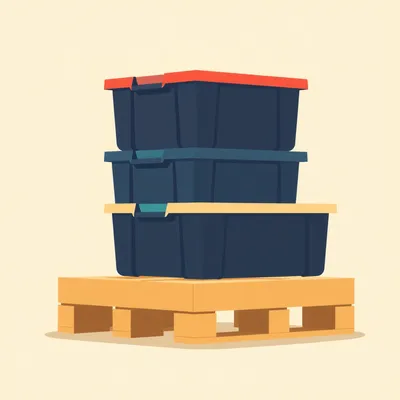
#4020: Euroboxes on the Wrong Pallet: 19mm of Trouble
What happens when your German-engineered storage boxes meet a US or Chinese pallet? 19mm of overhang changes everything.

#4018: Vertical Cities: The Hidden Science of Skyscraper Neighborhoods
How architects, sociologists, and urban planners are reimagining tall buildings as livable neighborhoods in the sky.
#4012: How Rock Breakers Beat Your Windows
Why standard double-glazing fails against construction noise and what actually works.

#3992: Eurobox Endgame: Can One Box Rule Every Room?
What if every item in your home fit the same 600x400mm box? One move, 26 boxes, two hours unpacked.