
Urban Design
194 episodes · Page 6 of 9
#3084: How Jerusalem’s Light Rail Broke Walking
Why a 90-minute walk for a package reveals everything broken about how cities manage construction.
#3045: How Many People Actually Lack Clean Water?
The 2.2 billion figure is more complicated than it looks. Here's what the data actually says.

#3030: Maya vs Aztec: Unpacking the Pyramids
Two advanced civilizations, centuries apart. Here's what you actually need to know.
#3029: Why Jerusalem's Light Rail Takes So Long
The visible pace of Jerusalem's light rail construction hides a complex web of incentives, archaeology, and municipal rules.

#3018: Designing a Trip to East Asia for Real Understanding
How to design an itinerary from Tel Aviv to Singapore, Hong Kong, and Japan that produces genuine cultural understanding.
#3010: Why Jerusalem's Walls Are Younger Than the Taj Mahal
The iconic walls of Jerusalem’s Old City were built in the 16th century—not ancient times. Here’s why Suleiman built them and how.
#3008: Israel's Rail Network: Ambition Meets Geography
Why Israel's "high-speed" train isn't high-speed, and what actually determines whether rail makes sense in a small country.
#2981: Jerusalem's Lost Airport: What Happened to Atarot?
Once a bustling international airport, Atarot now faces demolition for housing. Could it ever fly again?
#2927: Housing vs. Financial Assets — The Global Experiment
Jerusalem's ghost towers, Vancouver's empty homes tax, and Singapore's radical approach to separating shelter from speculation.
#2896: What We Lost When We Lost the Courtyard
The biblical chatzer wasn't a patio. It was a pre-industrial cooperative that solved parenting exhaustion.

#2874: China's Invisible Megacities: Linyi, Yiwu, and More
Cities larger than London or Paris that most Westerners have never heard of. Meet China's second-tier giants.

#2866: What Happens to Jerusalem's Unsorted Trash?
Jerusalem doesn't ask you to sort your trash. The machines do it instead — with hyperspectral cameras and air jets.

#2804: Who Actually Runs Your City?
Master plans, zoning codes, and the people who shape where you live.

#2757: Can Cities Engineer Calm?
How much green space per person do cities actually need? The WHO says 9 sq meters minimum. Most cities don't meet it.
#2748: What Cities Look Like Without Cars
How Barcelona, Paris, and others are redesigning streets for people instead of vehicles — and what we can learn from them.
#2746: How Zoning Built the Suburbs We Hate
Why walkability advocates loathe suburbs, from Ponzi scheme infrastructure to deadly stroads.
#2745: What Do Urban Planners Actually Do?
The invisible skeleton of cities, from sewers to zoning fights. What breaks if you let cities grow organically?
#2744: What Walkability Actually Means in Urban Planning
The five D’s of walkability — density, diversity, design, destination accessibility, and distance to transit — explained.
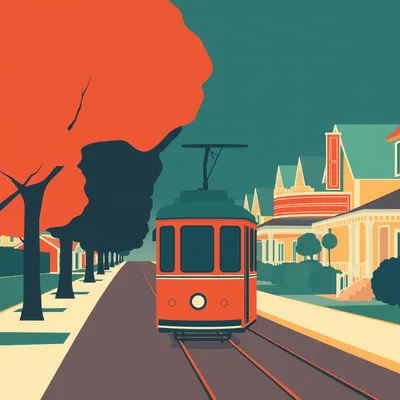
#2717: Lower Greenville: From Streetcar Suburb to Food Mecca
How one Dallas street went from farmland to counterculture hub to dining destination.
#2686: Why Jerusalem Stays Poor Despite Its Pull
Why Jerusalem’s economy is broken, from the 1948 division to the modern housing crisis.
#2632: How to Start a Meetup Without Burning Out
Practical steps for launching a local community around any interest — without it taking over your life.
#2631: How Shelter Became a Speculative Asset
Why are millennials turning to barges, yurts, and shipping containers? A deep dive into the financialization of housing.
#2628: Your Snake Plant Isn't Saving You
Why your houseplants aren't cleaning your air — and what they're actually doing for you.
#2576: The Centimeter-Level Challenge of Burying City Power
How cities bury high-voltage cables with centimeter precision and why some still keep wires overhead.