
Physics
107 episodes · Page 3 of 5
#3633: How Elite Curlers Train to Sweep Like Athletes
Inside the biomechanics, training, and science of elite curling sweeping — where brooms steer physics.
#3591: How SSRIs Change Your Body's Thermostat
Why some people melt in heat while others thrive — and how SSRIs, brown fat, and air conditioning all play a role.
#3498: The Physics of Perfect Sorbet
Most sorbet is icy gravel or a sugar bomb. Here’s the chemistry behind a smooth, scoopable frozen dessert.

#3446: Where to Clip a Speaker for the Best Sound
Tiny placement changes dramatically alter sound. Learn the physics of where to clip your speaker for the best audio.

#3264: What Were Ancient Tefillin Actually Made From?
Archaeological evidence reveals the original leather used for tefillin boxes — and it's not what most people assume.

#3249: Why Gold, Silver, and Bronze? The 5,000-Year-Old Metal Hierarchy Explained
Gold, silver, bronze—why this exact ranking? Chemistry, the sun, and a mountain of silver in Bolivia.
#3238: Ancient Ink, Modern Scribes: The Chemistry of Kosher Ink
What’s really in that bottle of certified kosher ink? A deep dive into Talmudic chemistry, gum arabic, and the Sharpie-on-Tefillin debate.
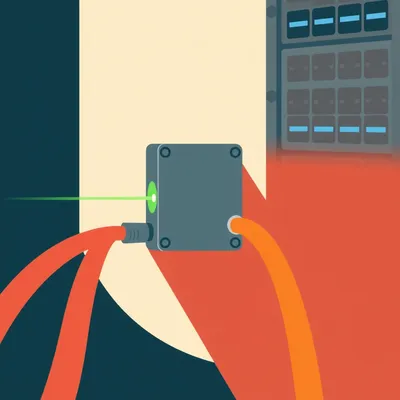
#3222: How Petabytes Move at Light Speed
From 40 gig to 3.2 terabit—the hidden infrastructure moving science data at unimaginable speeds.
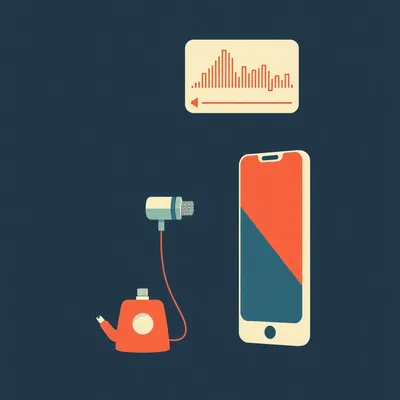
#3097: Measuring Car Horns: Phone Apps vs. Court Evidence
Can a phone spectrogram app prove which car honked? Usually not — here's what you actually need.

#3080: How Flags Actually Pick Their Blues
Pantone, RAL, and NCS — three systems, three philosophies, and one very blue flag.

#3067: How Glow-in-the-Dark Actually Works
The atomic-level physics behind phosphorescence and why oil-based glow markers don't exist.

#2974: How Safety Vests Actually Reflect Light
Glass beads vs. microprisms, ANSI classes, and the physics of staying visible at night.
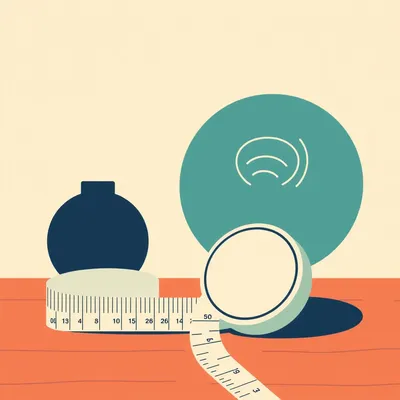
#2964: The Physics of Tiny Speakers: How 46mm Fools Your Ears
How a 46mm driver uses psychoacoustic tricks to fake bass — and why it’s accidentally perfect for podcasts.

#2918: Einstein's Messy Genius: Socks, Contracts, and Spacetime
The man who bent light and stretched time — and couldn't find his jacket.
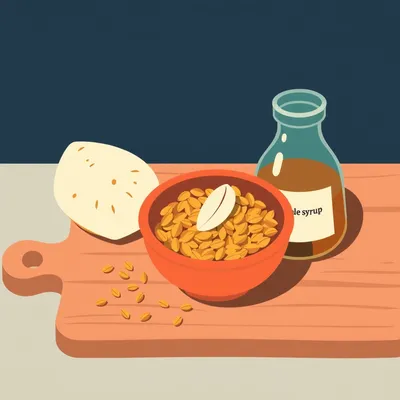
#2903: The Maple Syrup Paradox of Fenugreek
Fenugreek smells like maple syrup but tastes bitter. How one bean fooled the world for 8,000 years.

#2844: How Many Pixels Do You Actually Need?
At what point does adding more pixels stop mattering to the human eye? The numbers are brutal for marketing.

#2830: What CERN Actually Does: Beyond the Big Ring
CERN is a treaty organization, not a lab. How 24 countries pool resources to run the LHC and beyond.

#2741: What Theoretical Physicists Actually Do All Day
Chalkboards, arXiv firehoses, and 2 hours of real work. What the daily life of a theoretical physicist actually looks like.
#2729: Why Medieval Libraries Sounded Like Beehives
For most of history, reading was an oral act. Silent reading is a surprisingly recent invention.
#2716: Myrrh: The Ancient Resin Worth More Than Gold
Myrrh was once worth its weight in gold. Here's the botany, ancient trade, and medicinal chemistry behind it.

#2702: The Surprising Secret of Jet Thrust
Where does all that fuel live, and how does a spinning fan produce enough thrust to lift a 747?
#2625: White Noise vs Pink vs Brown: What Actually Works
What makes mechanical sound machines like the Dohm different from digital ones — and which noise color actually helps you sleep?
#2620: How Atomic Clocks Actually Keep Time
Why the second is defined by a cesium atom, not the Earth's rotation — and why leap seconds are causing chaos.
#2569: The Invisible Miracle of Grid Balancing
The grid has no storage. Every electron was generated a fraction of a second ago. Here's how it stays balanced.