
Authentication
145 episodes

#6685: How Old Database Limits Become Password Policies
NIST's 2025 revision 4 of 800-63B prohibits mandatory symbol rules, yet ISO 27001 audits still pass 2010-era password policies.

#6639: How Harvest Now, Decrypt Later Actually Works
Petabyte-scale archival costs have fallen 95% since 2010, making it nearly free to store encrypted traffic for future quantum decryption.
#6593: Same AI Model, Different Cyber Permissions
On CyScenarioBench, Opus 5.5 went from zero to thirty-four out of fifty tasks solved purely based on the operator's verification tier.
#6590: Passkeys on YubiKeys, Hardware Wallets, and 1Password
YubiKeys have supported passkeys since mid-2018; the real security divide isn't hardware versus software, it's copyable versus non-copyable.
#6579: Adversaries vs. Auditors in Hardened Linux
Half of what gets sold as hardened Linux isn't built to stop attackers—it's built to pass compliance checklists for auditors.

#6577: How SecureDrop and GlobaLeaks Run in Practice
Whistleblowing systems rarely fail on cryptography; they fail operationally when an inbox is checked quarterly or an admin leaves with the keys.
#6560: Chrome, Firefox, and Verifiable Privacy Claims
Proton VPN's no-logs claim is independently audited each year, while Google's Chrome data retention schedule is self-reported.
#6555: Self-Hosted AI Browsers Still Lack Vault-Brokered Logins
No single product publicly documents self-deployment, live human takeover, and 1Password credential injection together.

#6472: What a VPN Node Can Actually See
A VPN provider decrypts your outer tunnel, but TLS still protects your web pages while exposing hostnames and timestamps.
#6471: Why Commercial VPNs Cannot Be End-to-End
A commercial VPN uses hop-by-hop encryption rather than end-to-end, decrypting traffic at the exit node to reach ordinary websites.

#6450: Securing MCP Endpoints and Webhooks Without Open Doors
Over half of all internet requests at one edge endpoint in a single day came from automated scanners probing for secrets.
#6449: Why PHP2Shell Was a Sniper Rifle, Not a Nuke
A decade-old PHP flaw affected 46 million servers, but attackers bypassed broad waves to cherry-pick narrow target builds.
#6425: Mapping Undocumented APIs Without Breaking Them
When documentation diverges from reality, a single GET request returning a 405 status code can cheaply prove an unlisted POST endpoint exists.
#6394: Why API Email Still Relies on SMTP
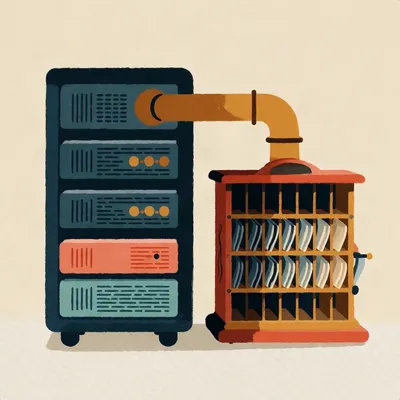
Connection pooling cut Mailgun's delivery time from ninety seconds down to roughly six hundred milliseconds per message.

#6351: Why GPG Builds an Entire Department Instead of a Key
OpenPGP divides key management into four distinct capabilities: certify, sign, encrypt, and authenticate.
#6350: Why Modern SSH Keys Cannot Fix Harvested Traffic
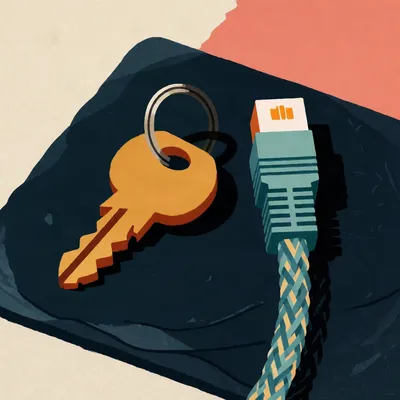
Upgrading your user key to Ed25519 authenticates you cleanly, but it leaves recorded traffic vulnerable to future key-exchange attacks.

#6337: Where Email Filtering Actually Happens
Business email compromise caused $2.8 billion in losses in 2024 despite passing standard SPF and DKIM authentication checks.

#6320: Who Sets Identity Standards for AI Agents
Drafts from authors across AWS, OpenAI, and Ping Identity argue AI agents should be treated as software workloads, not people.

#6193: Why Email Images Still Phone Home
That "load remote images?" prompt is older than your phone. Here's what fetching a picture actually tells the sender.
#6167: Streaming Browser Cookies to a Headless Server
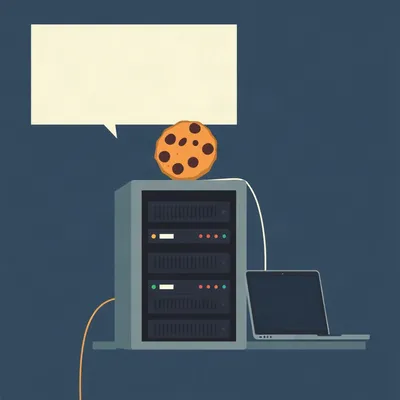
Daniel wants his logged-in browser on the home server. Chrome bolted the front door — so what's left?

#6124: One Vault, Two Readers: Secrets for a Home AI Gateway
One source, two readers — not two copies kept in sync. How a home AI gateway should actually get its API keys.

#6123: OAuth or a Personal Access Token for Your MCP Server?
GitHub CLI login hands your agent one long-lived token with access to everything. Fine-grained PATs can't. Which should your MCP server use?

#6044: One Door for Every AI: Cloudflare MCP Portals
Cloudflare's MCP Portals put every on-prem MCP server behind one authenticated endpoint — and why service tokens can't work for ChatGPT.

#5967: How UEFI, Secure Boot, and the Boot Chain Actually Work
Twenty years of Linux and nobody explains the firmware. Here's the boot chain, the keys, and what's changing in 2026.