
Cyberattacks
339 episodes · Page 7 of 15

#3060: Air Marshals: The 1.4% Truth
Air marshals are real, but they're on just 1.4% of flights. Here's what the GAO report reveals.
#3033: 3,000 Episodes, 3 Copies: Is This Backup Setup Enough?
Three copies, two clouds, one NAS. But is this setup truly protecting 3,000 podcast episodes?

#2945: How a World Leader Phone Call Actually Works
A president doesn't just dial. The real process involves SCIFs, encrypted terminals, switchboard operators, and at least six listeners.
#2886: How Acoustic Cameras Catch Honking Drivers
Can an acoustic camera pinpoint one honk in a traffic jam? The tech is real, and fines are being issued.
#2840: How Long Must a Password Actually Be?
The surprising math behind how long your password needs to be to survive a brute-force attack.
#2835: Why Can't I Trust My Own Computer?
Why services keep asking you to sign in—and what it would take to fix it.
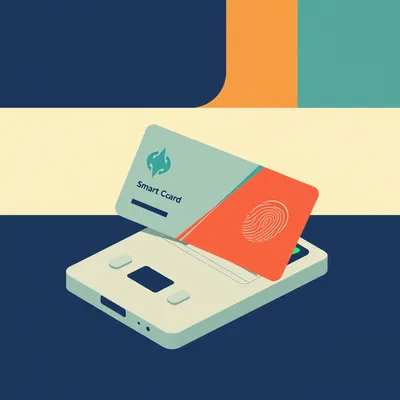
#2834: The Deep Ocean Trench of Authentication
PIN + smart card + biometric + behavioral checks. The real security stack behind federal authentication.

#2831: What VPNs Still Protect After HTTPS
HTTPS encrypts your content but leaves your metadata exposed. Here's what a VPN still protects.
#2827: Why People Still Pay for SSL Certificates
Free DV certificates are everywhere, yet paid SSL still thrives. Here’s what commercial CAs actually provide that free ones don’t.
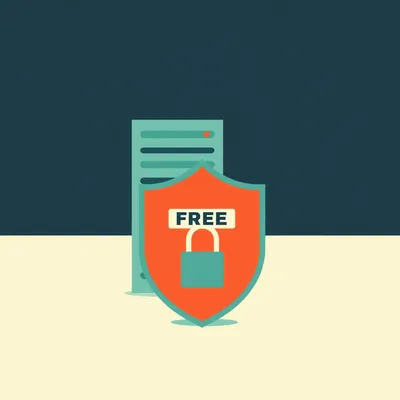
#2815: Free Cloudflare WAF: Is It Enough for Self-Hosting?
Skip Cloudflare Access and lock down Home Assistant with just the free WAF rules. Here's how.
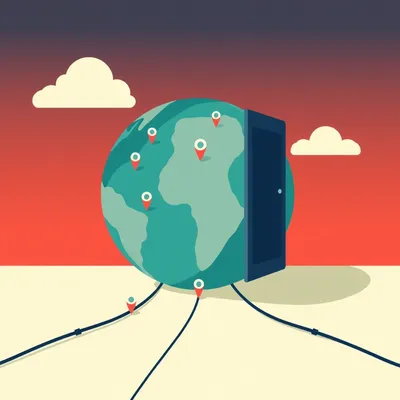
#2811: Cloudflare's Endgame: From CDN to Cloud Platform
How a spam-tracking side project became the CDN that's quietly building a new kind of cloud.

#2781: When Voice AI Features Enable Fraud
Voice AI platforms now let you simulate background noise, hesitation, and natural conversation — and that's a problem.

#2763: Do You Really Need VLANs at Home?
Is VLAN segmentation worth it for home networks, or is it just sysadmin cosplay?
#2699: Inside Android's Binder: No HTTP Here
Android's internal APIs don't use HTTP. They use Binder — a kernel-level IPC mechanism that's faster, tighter, and completely opaque.
#2698: How Hackers Hide C2 Servers in Plain Sight
Bulletproof hosts, hijacked routers, and Discord channels — how command and control infrastructure stays up despite takedown attempts.
#2696: How Pegasus Silently Hijacks Your Phone's Microphone
How NSO's Pegasus achieves silent mic access on Android through zero-click exploits, kernel privilege escalation, and DMA buffer reading.
#2695: Self-Hosting Tailscale Exit Nodes Safely
How to safely route traffic through your home from anywhere using Tailscale exit nodes — without exposing your network.

#2691: The Usability Tax of Least Privilege
Is it time to let AI agents handle your API key creation and rotation? We explore the real security tradeoffs.
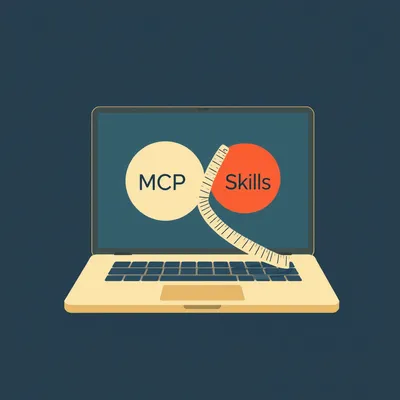
#2683: MCP vs Agent Skills: Context Wars
When 12M token windows arrive, do MCP servers or agent skills win? Plus: federated access for agent teams.

#2679: Can a VPN Protect You from SS7 Phone Spying?
SS7 is the hidden backbone of global phone networks—and it's wide open to spies. Here's what a VPN does and doesn't fix.
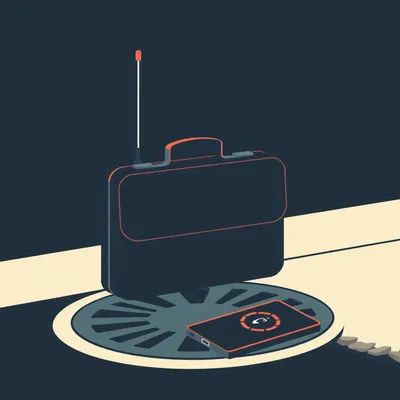
#2678: How IMSI Catchers Actually Track Your Phone
How fake cell towers intercept your phone, from GSM flaws to 5G fixes. Separating spy-thriller hype from real engineering.

#2620: How Atomic Clocks Actually Keep Time
Why the second is defined by a cesium atom, not the Earth's rotation — and why leap seconds are causing chaos.
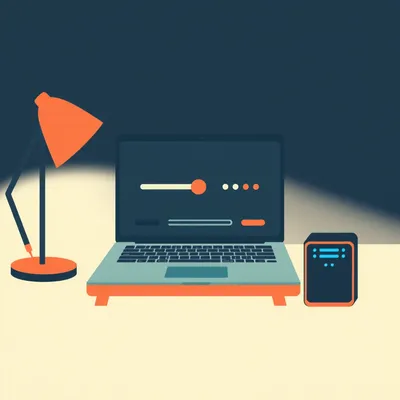
#2604: Self-Hosted Screen Recording: Tools Beyond Loom
Practical tools and trade-offs for async video documentation with real data control across platforms including Linux.
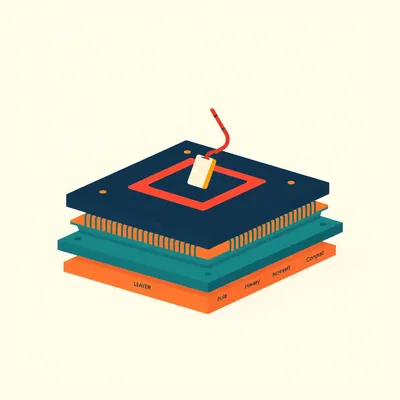
#2594: The Hierarchy of Immutable Code
From mask ROM to e-fuses: how hardware enforces a hierarchy of mutability in every computing device.